

5 Criteria for Choosing the Optimal Conveyor Chain for Industrial Production and Transport Businesses
Article content
5 Key Criteria for Choosing the Optimal Conveyor Chain for Businesses
1. Load Capacity
- Load capacity is the most important factor when choosing a conveyor chain for industrial transportation systems. The conveyor chain must be able to handle the weight of the materials being transported without stretching or damaging.
- Conveyor chains with high load capacity will help maintain stable and continuous operation, especially in heavy industries like cement, mining, or steel production.
Tip: Make sure to choose a conveyor chain with a load capacity that is equal to or greater than the maximum weight of the materials you plan to transport to avoid potential damage to the system.
2. Durability and Lifespan
- The durability of the conveyor chain directly impacts maintenance costs and the frequency of replacements. Choosing a high-quality material like stainless steel 316, alloy steel, or wear-resistant materials will help the chain last longer and perform well in harsh environments.
- Conveyor chains with long lifespan will save on replacement costs and reduce downtime.
3. Heat Resistance
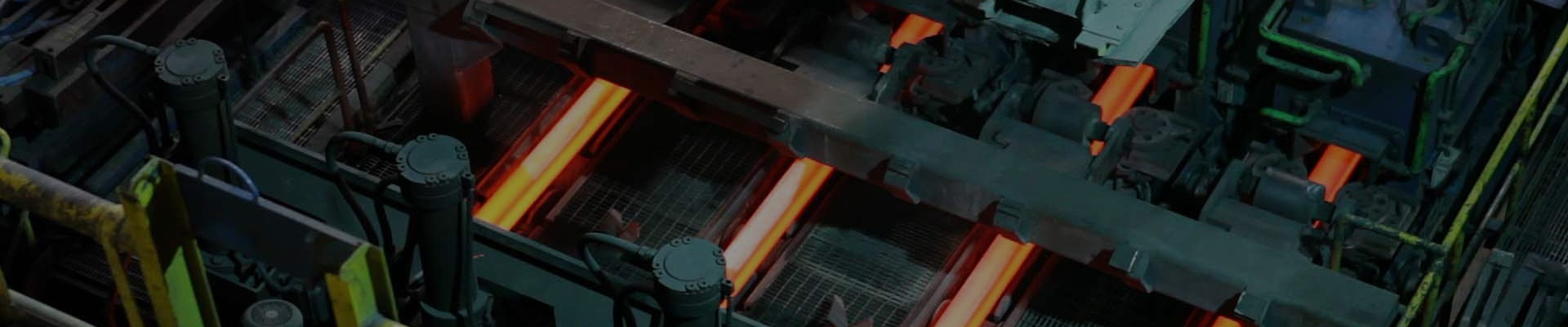
- In industries like steel production, cement, or food processing, the conveyor chain must operate in high-temperature environments without deforming or failing.
- Heat-resistant conveyor chains are ideal for these environments as they can withstand temperatures up to 400-500°C without affecting performance.
Tip: Determine the temperature of your operating environment and choose a conveyor chain that can handle those conditions effectively.
4. Ease of Maintenance and Replacement
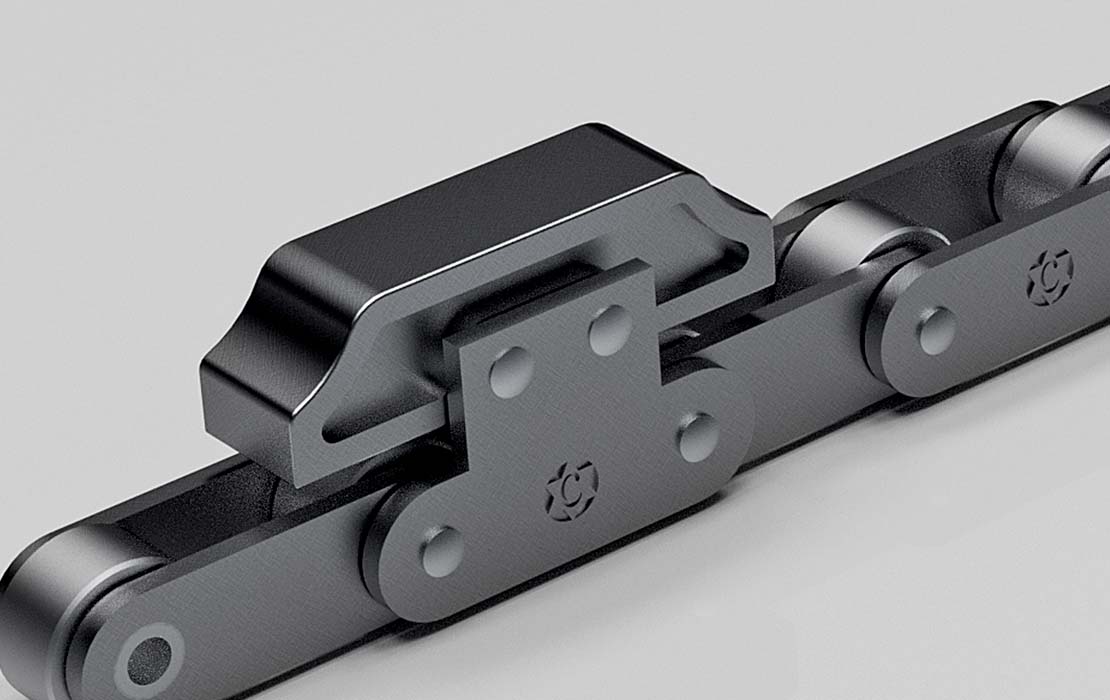
- Conveyor chains in industrial systems should be easy to maintain and repair. Choosing chains with a simple design allows for quick link replacements or part repairs, which minimizes production downtime and saves on maintenance costs.
- Conveyor chains that allow for individual link replacement rather than replacing the entire system are more cost-effective.
Tip: Ensure that you have spare parts available and establish a regular maintenance schedule to optimize the operation of the system.
5. Integration with Automation Systems
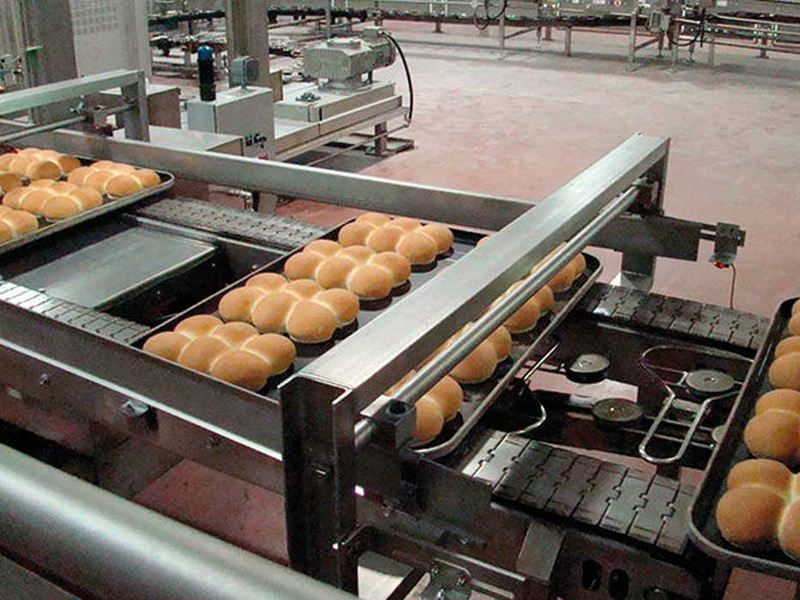
- In automated production lines, the conveyor chain should integrate well with other automation equipment like robots, PLCs, or remote control systems.
- A conveyor chain with good compatibility with automation systems helps optimize productivity, reduce human intervention, and improve accuracy in production processes.
Tip: Choose a conveyor chain that can easily connect with modern automation technologies such as sensors, robots, and smart control systems.
Conclusion
Selecting the optimal conveyor chain for industrial production and transport businesses is essential for ensuring efficient operation, cost savings, and increased productivity. By considering key factors such as load capacity, durability, heat resistance, easy maintenance, and automation integration, businesses can choose the best conveyor chain to meet their specific needs.
If your business is looking for optimal conveyor chain solutions, contact us for expert advice and customized solutions tailored to your specific requirements.
AAdministratorsQTV
Welcome. Feel free to leave a comment, we will respond soon