
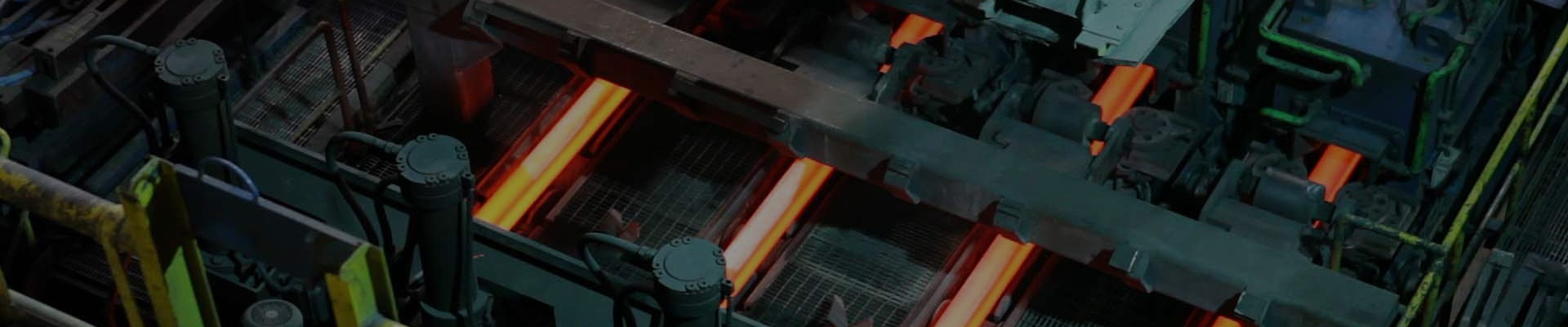

Applications of Conveyor Chains in Automated Belt Systems in Production
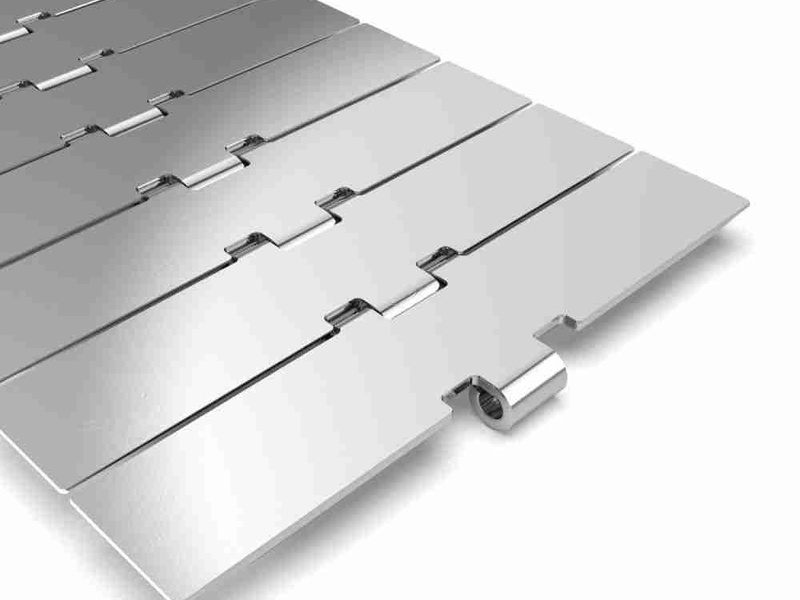
Article content
How Conveyor Chains Integrate with Automated Belt Systems
1. Increasing Load Capacity and Efficiency
Conveyor chains are designed to handle heavier loads and tougher materials than traditional belt conveyors. While belt systems are efficient for handling lighter and less abrasive materials, the addition of conveyor chains allows automated belt systems to handle heavier and more abrasive products.
In industries like cement production, mining, and automotive manufacturing, where materials are often heavy and subjected to rough handling, combining conveyor chains with automated belt systems ensures that the system can manage high loads without compromising efficiency or reliability.
2. Ensuring Continuous Operation in Harsh Environments
In production environments with high temperatures, abrasive materials, or harsh chemicals, conveyor chains are the ideal solution for maintaining the system’s reliability and continuous operation. While belt conveyors may struggle with wear and tear in these conditions, conveyor chains are designed to operate in extreme environments, ensuring that the automated belt system runs without interruption.
For example, in metal processing or plastic manufacturing, where materials such as molten metals or hot plastics need to be transported at high temperatures, conveyor chains provide the strength and durability required to handle the heat without failing.
3. Enhanced Precision and Control
When integrated automated belt systems, conveyor chains offer enhanced precision and control over material flow. Conveyor chains operate with greater accuracy compared to belts, ensuring that components are placed or moved with exact timing and position.
This level of control is especially important in industries where small or delicate components need to be transported, such as in the electronics and pharmaceutical industries. The precision offered by conveyor chains minimizes errors and improves the quality of the finished product.
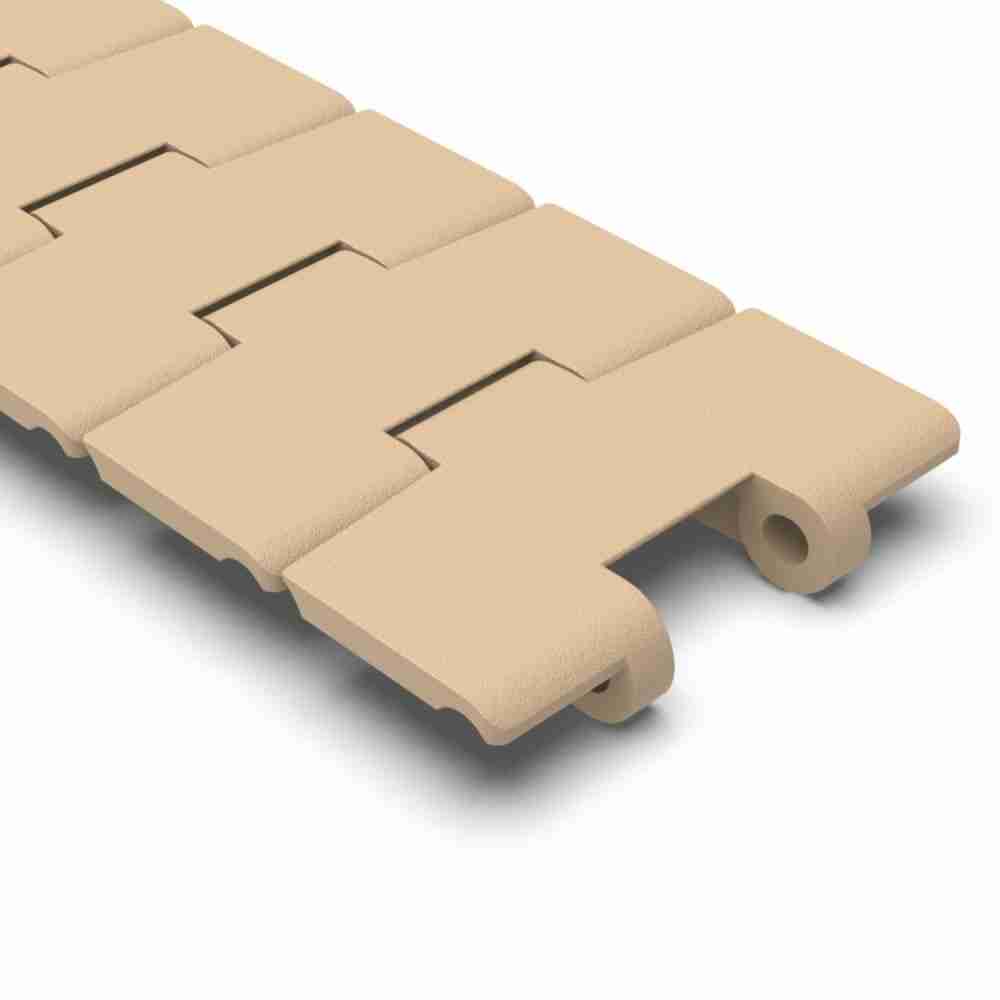
Benefits of Combining Conveyor Chains with Automated Belt Systems
1. Increased Load Capacity
By incorporating conveyor chains automated belt systems, businesses can increase the overall load capacity of the material transport system. Conveyor chains are built to handle higher loads and more challenging materials, making them ideal for applications in industries that involve heavy machinery or high-volume material handling.
For instance, in industries like mining and construction, where materials such as rock, sand, and gravel need to be transported, conveyor chains can help move these heavy and abrasive materials effectively alongside belt systems, increasing the overall transport capacity of the system.
2. Enhanced Durability and Reduced Maintenance Costs
The combination of conveyor chains and belt systems also offers improved durability in harsh working conditions. Conveyor chains are more resistant to wear, abrasion, and heat than traditional belt systems, which results in fewer breakdowns, less wear, and lower maintenance costs.
Using conveyor chains in tandem with automated belts helps reduce the frequency of repairs and replacements, leading to cost savings in the long run. This makes the system more cost-efficient and reliable over time.
3. More Flexibility in Production Lines
Automated belt systems combined with conveyor chains offer more flexibility in multi-stage production lines. Whether it is in the automotive industry, where various parts need to be moved assembly to packaging, or in electronics, where components must be transferred through different stations, the combination of conveyor chains and belt systems allows for customized material handling solutions.
The ability to handle multiple types of materials (both heavy and light) and operate under various production conditions is one of the major advantages of this combined system.
Applications of Conveyor Chains in Automated Belt Systems
1. Automotive Manufacturing
In automotive manufacturing, the combination of conveyor chains and automated belt systems is critical for efficiently moving automobile parts through assembly lines. While the belts transport lighter components quickly, the conveyor chains are used for heavy-duty applications, such as moving car chassis, engines, and other large parts. This hybrid system ensures that parts are handled efficiently and reliably throughout the production process.
2. Food and Beverage Industry
In the food and beverage industry, conveyor chains combined with automated belt systems are used to transport bulk ingredients, finished products, and packaged goods. The heat-resistant and wear-resistant nature of the chains ensures that products are safely moved through high-temperature zones, such as baking ovens or sterilizing units, without compromising safety or quality.
3. Mining and Construction
In mining and construction industries, conveyor chains integrated with automated belt systems are used to move heavy materials like sand, gravel, and coal across vast distances. These systems help reduce labor costs, increase efficiency, and ensure the continuous operation of material handling processes in these harsh environments.
4. Electronics and Pharmaceutical Manufacturing
In industries like electronics and pharmaceutical manufacturing, where precision and cleanliness are critical, conveyor chains integrated with automated belts are used to transport delicate parts and finished products with minimal handling. This combination ensures that sensitive materials are moved efficiently without contamination or damage.
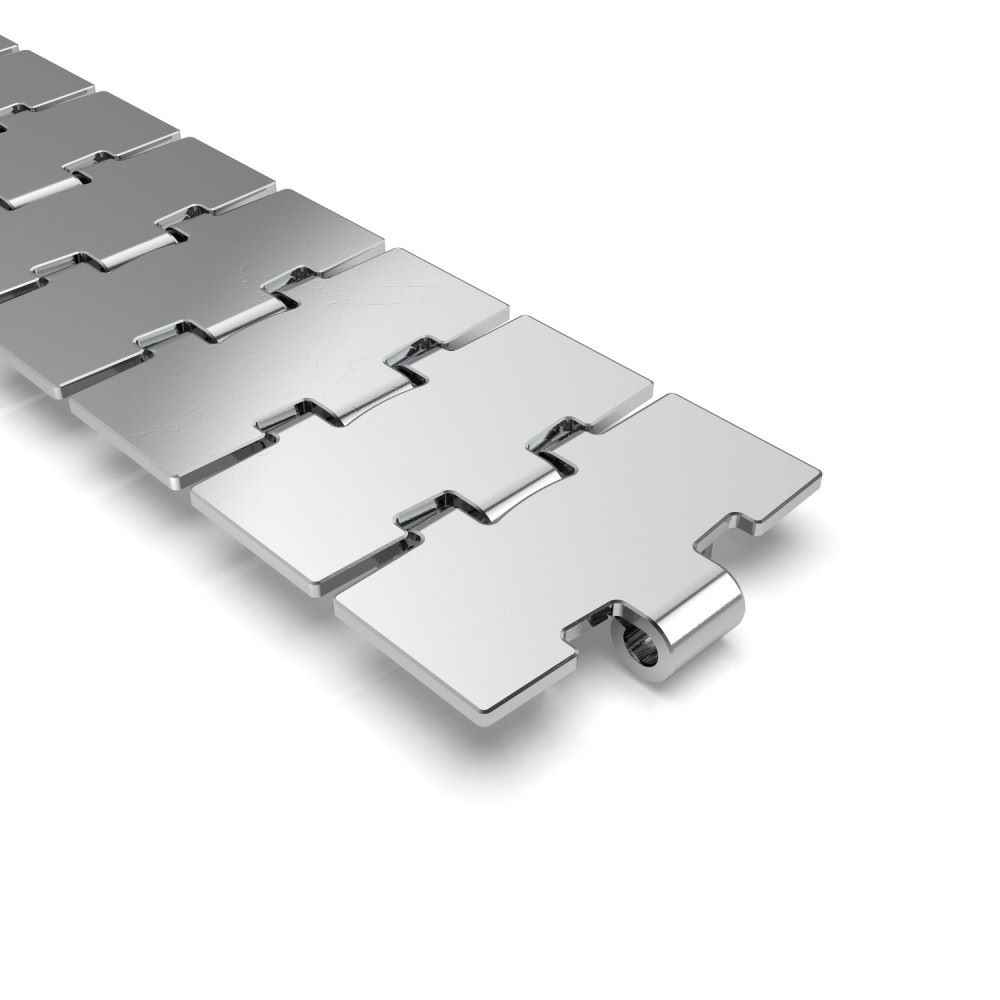
Conclusion
Combining conveyor chains with automated belt systems provides businesses with the best of both worlds—heavy-duty performance and high-speed efficiency. This hybrid approach enhances material handling capabilities, increases production line throughput, reduces downtime, and lowers maintenance costs. By incorporating conveyor chains automated belt systems, manufacturers can improve both the efficiency and reliability of their production lines.
If you're looking for integrated conveyor chain and automated belt system solutions for your production lines, contact us today for expert advice and customized solutions that will meet your specific needs.
AAdministratorsQTV
Welcome. Feel free to leave a comment, we will respond soon