

Applications of Conveyor Chains in Automated Manufacturing Systems
Article content
The Role of Conveyor Chains in Automated Manufacturing Systems
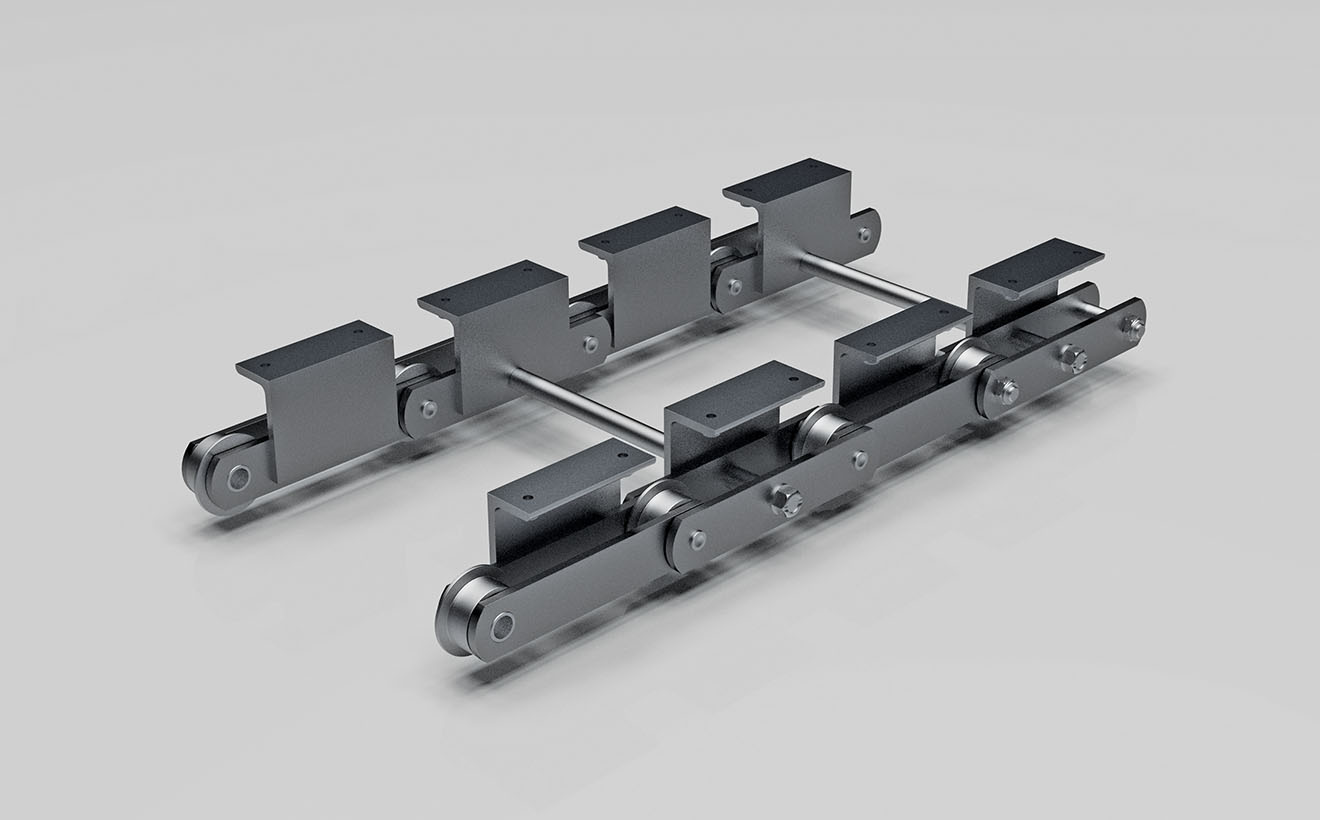
Conveyor chains are essential components in automated material handling systems. They facilitate:
- Continuous and precise movement of products and components across different production stages.
- Synchronization with automated machines like robotic arms, packaging machines, and quality control stations.
- Efficient transportation of materials, minimizing human intervention and reducing operational errors.
Key benefits of conveyor chains in automation:
- Increase productivity by maintaining constant flow in production lines.
- Ensure accurate positioning for robotic operations and automated assembly.
- Support heavy-duty applications, handling products of various weights and sizes.
- Reduce labor dependency, lowering operational costs.
.jpg)
Common Applications of Conveyor Chains in Automated Production Lines
1. Raw Material Handling and Feeding Systems
Conveyor chains transport raw materials storage areas to processing machines, such as mixers, crushers, or cutting machines. They ensure:
- Consistent material flow, reducing delays.
- Accurate feeding rates, improving production efficiency.
2. Assembly Line Conveyors
In automated assembly lines, conveyor chains move components to workstations equipped with robotic arms or automated tools. Key benefits include:
- Precise movement and timing for robotic assembly tasks.
- Flexibility in transporting components of varying shapes and weights.
3. Inspection and Quality Control Stations
Conveyor chains deliver products to automated inspection stations, where sensors and cameras conduct real-time quality checks. Features include:
- Synchronized movement to ensure accurate inspection.
- Compatibility with sorting mechanisms that remove defective products.
4. Packaging and Palletizing Systems
After production, conveyor chains move finished goods to automated packaging machines and robotic palletizers. Advantages include:
- High-speed transport without damage to products.
- Seamless integration with automated packaging lines for labeling, wrapping, and boxing.
5. Warehouse and Logistics Automation
Conveyor chains are used in automated storage and retrieval systems (AS/RS). They:
- Move goods to and storage racks.
- Support logistics automation, improving warehouse efficiency and order fulfillment accuracy.
Benefits of Using Conveyor Chains in Automated Manufacturing Systems
1. Enhanced Productivity and Efficiency
- Conveyor chains operate continuously and reliably, reducing downtime.
- They maintain a consistent production flow, allowing for higher throughput.
2. Precision and Accuracy
- Conveyor chains ensure exact positioning of products, essential for robotic operations and automated processes.
- Reduce the risk of misalignment or delays, improving product quality.
3. Durability and Longevity
- Made high-strength materials, such as stainless steel or alloy steel, conveyor chains withstand heavy loads and harsh environments.
- Their resistance to wear and corrosion extends the lifespan of the system, reducing replacement costs.
4. Easy Integration with Automation Technologies
- Conveyor chains are compatible with smart sensors, PLC systems, and robotic controls, enabling seamless integration Industry 4.0 environments.
- Support data collection and monitoring for predictive maintenance and real-time performance tracking.
Key Considerations When Selecting Conveyor Chains for Automation
- Load Capacity: Ensure the chain can handle the weight of transported products and components.
- Speed Requirements: Match the conveyor chain’s speed with the cycle time of automated equipment.
- Environmental Conditions: Use corrosion-resistant materials for humid or chemical-prone environments.
- Maintenance Needs: Choose conveyor chains that offer easy maintenance and quick part replacement to minimize downtime.
Conclusion
Conveyor chains are a critical component in automated manufacturing systems, offering high precision, durability, and efficiency. Their ability to integrate with smart technologies and support complex production lines makes them essential for businesses seeking to modernize their manufacturing processes.
If you are looking for high-quality conveyor chain solutions tailored to your automated production lines, contact our experts today for professional consultation and customized recommendations.
AAdministratorsQTV
Welcome. Feel free to leave a comment, we will respond soon