

Applications of Conveyor Chains in Meat and Seafood Processing Lines
In the modern meat and seafood processing industry, ensuring hygiene, efficiency, and continuous operation is critical. Automated systems are widely adopted to enhance productivity and meet strict food safety standards. At the core of these systems are industrial conveyor chains, which play a pivotal role in transporting raw materials and processed products throughout different stages of production.
This article explores the key applications of conveyor chains in meat and seafood processing lines, and why they are considered essential for optimizing operational efficiency and maintaining food safety.
Article content
Why Conveyor Chains Are Vital in Meat and Seafood Processing
- Hygiene compliance: Conveyor chains are designed to comply with international food safety standards such as FDA, EU 10/2011, and HACCP, ensuring that meat and seafood products are handled hygienically.
- Resistance to harsh environments: Meat and seafood processing facilities often involve cold temperatures, high humidity, and exposure to water and cleaning chemicals. Conveyor chains must withstand these conditions without corrosion or deterioration.
- Efficient product handling: Conveyor chains ensure smooth and consistent movement of products, minimizing manual handling, reducing contamination risk, and improving overall productivity.
Key Applications of Conveyor Chains in Meat and Seafood Processing
1. Raw Material Receiving and Transport
- Conveyor chains transport raw meat, fish, and seafood receiving areas to processing zones.
- Designed for easy cleaning and sanitation, they prevent the accumulation of biological residues.
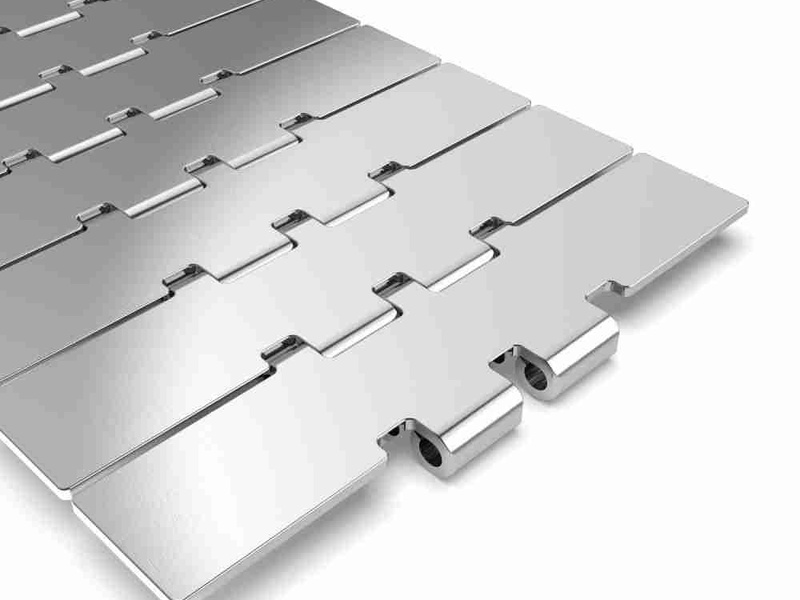
- Plastic conveyor chains or stainless steel chains are commonly used in these areas due to their corrosion resistance.
2. Cutting, Deboning, and Filleting Lines
- Conveyor chains move products through automated cutting, deburring, and filleting machines.
- Precision positioning ensures accurate processing by robotic arms or automated blades.
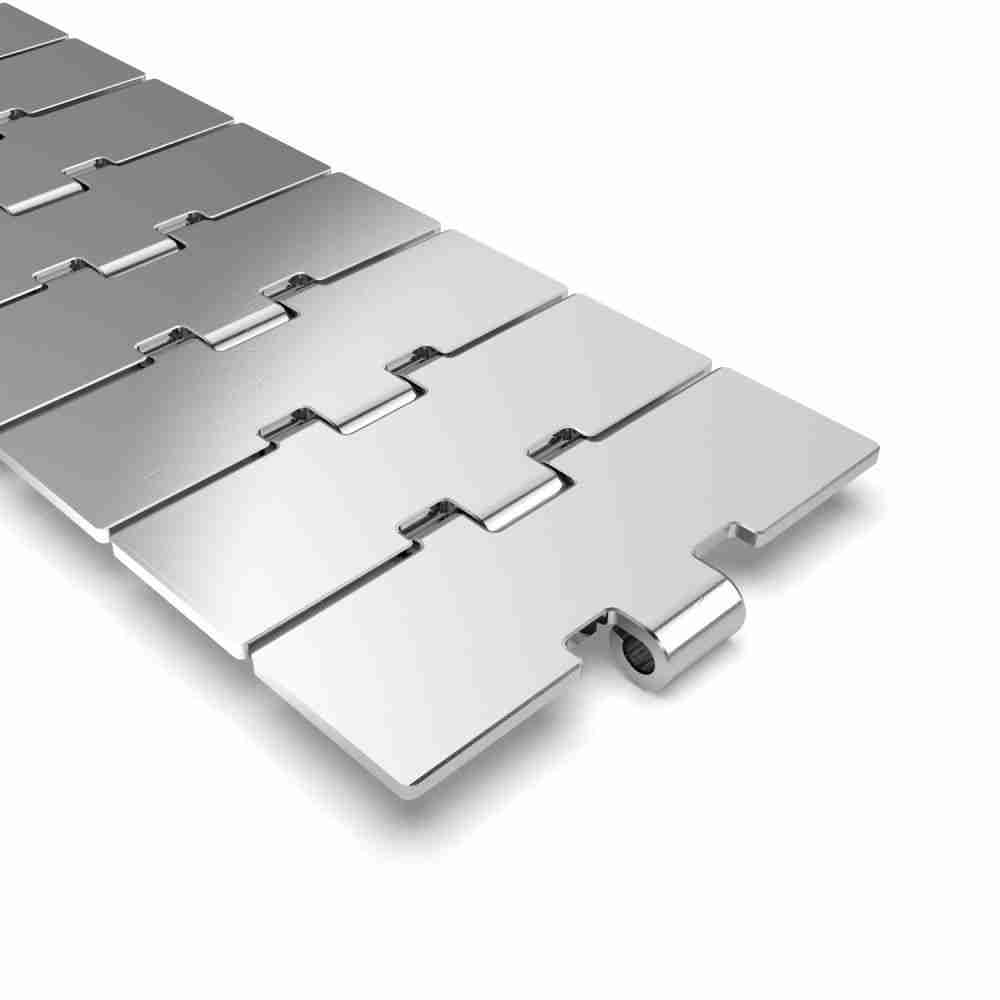
- Heavy-duty stainless steel conveyor chains are preferred for their strength and durability.
3. Chilling and Freezing Lines
- Meat and seafood are transported via conveyor chains through chilling rooms or freezing tunnels, where temperatures can drop to -20°C or lower.
- Conveyor chains must resist thermal contraction and remain operational in extreme cold.
- Stainless steel 316 or specialized plastic chains are typically used due to their low-temperature resistance.
4. Coating, Battering, and Breading Lines
- In processed food lines, conveyor chains move products through battering, breading, or seasoning stations.
- Chains must allow for easy sanitation to prevent cross-contamination between batches.
- Smooth surfaces and open hinge designs help facilitate thorough cleaning.
5. Packaging and Sorting Systems
- After processing, conveyor chains transfer products to packaging machines and automated sorting stations.
- They provide accurate alignment and stable transport, ensuring that products are efficiently sorted and packed.
Advantages of Using Conveyor Chains in Meat and Seafood Processing
1. Ensuring Food Safety and Hygiene
- Made food-grade stainless steel (304/316) or FDA-approved plastics, conveyor chains comply with strict food safety regulations.
- Easy-to-clean designs help maintain a sanitary processing environment, preventing microbial contamination.
2. Withstanding Harsh Conditions
- Conveyor chains are designed to resist corrosion moisture, brine, and cleaning agents used in meat and seafood facilities.
- They perform reliably in wet and cold environments without compromising efficiency.
3. Enhancing Production Efficiency
- Conveyor chains ensure continuous, smooth movement of products, reducing the need for manual labor.
- Their robust construction minimizes downtime due to breakage or wear.
4. Reducing Maintenance Costs
- High-quality materials and precision engineering extend the service life of conveyor chains.
- Simplified maintenance reduces labor costs and downtime, keeping production on schedule.
Factors to Consider When Choosing Conveyor Chains for Meat and Seafood Processing
- Material selection: Use stainless steel 316 for high-corrosion environments, or plastic chains where lubrication-free operation is needed.
- Temperature resistance: Ensure chains are capable of withstanding both freezing and high-temperature processes.
- Ease of cleaning: conveyor chains with smooth finishes and minimal crevices to prevent bacterial buildup.
- Load capacity: Choose chains designed to handle heavy products such as meat cuts, fish, or packaged seafood.
.jpg)
Conclusion
Conveyor chains are an integral part of meat and seafood processing lines, offering hygiene, durability, and efficiency that modern food manufacturers require. By selecting the right conveyor chains and implementing proper maintenance protocols, businesses can ensure safe food handling, improved productivity, and compliance with international safety standards.
If your facility needs reliable conveyor chain solutions for meat and seafood processing, contact our experts for customized consultation and support.
AAdministratorsQTV
Welcome. Feel free to leave a comment, we will respond soon