


Applications of Conveyor Chains in Warehouse and Logistics Systems
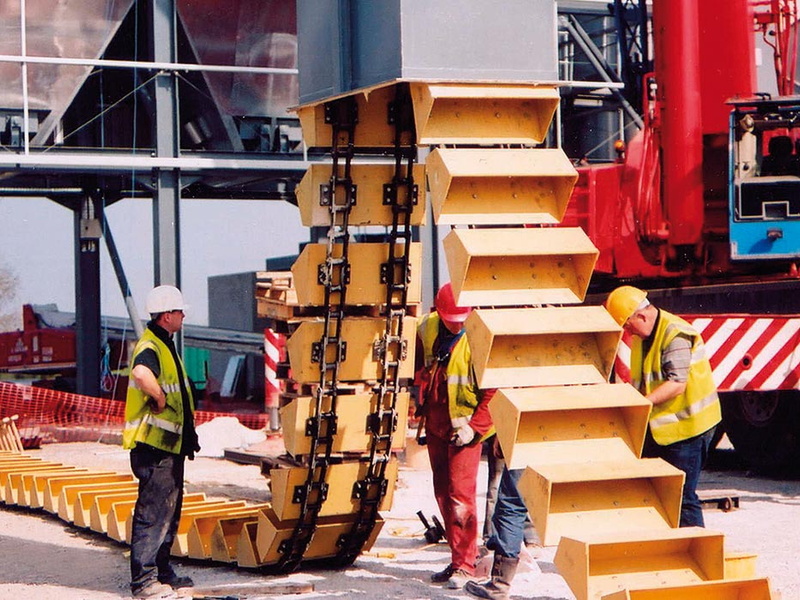
Article content
- The Role of Conveyor Chains in Warehouse and Logistics
- Common Applications of Conveyor Chains in Warehouse and Logistics Systems
- Advantages of Using Conveyor Chains in Warehouse and Logistics Operations
- Considerations When Choosing Conveyor Chains for Warehouse Logistics
- Industries That Benefit Conveyor Chains in Logistics
- Conclusion
The Role of Conveyor Chains in Warehouse and Logistics
Conveyor chains are critical in facilitating the continuous movement of goods within a warehouse, receiving and storage to picking, packaging, and shipping. They provide stable and reliable transportation, reducing manual labor and improving operational accuracy.
Key functions of conveyor chains in logistics:
- Transport goods and pallets across different areas of the warehouse
- Support automated sorting and picking systems
- Facilitate smooth transfer to packaging and shipping zones
- Improve inventory management with real-time tracking and control
.jpg)
Common Applications of Conveyor Chains in Warehouse and Logistics Systems
1. Receiving and Unloading Areas
- Conveyor chains help move incoming goods loading docks to initial inspection or storage areas.
- Suitable for heavy pallets, bulk materials, and container unloading.
2. Automated Storage and Retrieval Systems (AS/RS)
- Conveyor chains transport goods to and automated racks and high-density storage systems.
- Enable accurate positioning and seamless integration with robotic cranes and shuttle systems.
3. Order Picking and Sorting
- Conveyor chains work in tandem with automated picking systems, moving goods to sortation zones.
- They ensure efficient handling of high volumes of orders with minimal human intervention.
- Reduce order processing time and increase picking accuracy.
4. Packaging and Shipping Lines
- Finished orders are moved by conveyor chains to automated packing stations.
- Facilitate the transfer of packed goods to shipping docks or distribution points.
- Ensure smooth and damage-free handling of products during packaging and dispatch.
5. Cross-Docking Operations
- Conveyor chains streamline cross-docking processes, transferring goods directly inbound to outbound shipments.
- Reduce storage requirements and speed up delivery timelines.
Advantages of Using Conveyor Chains in Warehouse and Logistics Operations
1. Enhanced Efficiency and Productivity
- Conveyor chains ensure continuous, high-speed transport, reducing bottlenecks and delays in material handling.
- Enable 24/7 operations with minimal downtime.
2. High Load Capacity and Durability
- Engineered to handle heavy loads, including pallets, containers, and bulk packages.
- Made high-strength materials, conveyor chains are durable and resistant to wear and corrosion.
3. Easy Integration with Automated Systems
- Conveyor chains are compatible with robotic systems, automated guided vehicles (AGVs), and warehouse management systems (WMS).
- Support real-time tracking and automated inventory control.
4. Improved Safety and Ergonomics
- Reduce the need for manual lifting and handling, minimizing workplace injuries.
- Create a safer, more ergonomic work environment for warehouse staff.
Considerations When Choosing Conveyor Chains for Warehouse Logistics
1. Load Requirements
- conveyor chains with the appropriate load capacity for the types of goods handled.
2. Environmental Conditions
- Consider exposure to dust, temperature variations, or moisture, and choose corrosion-resistant materials like stainless steel if needed.
3. Maintenance Needs
- Opt for conveyor chains with easy-to-maintain designs, allowing for quick link replacement and minimal downtime.
4. System Scalability
- Choose conveyor chain systems that allow for future expansion and upgrades as warehouse demands grow.
Industries That Benefit Conveyor Chains in Logistics
- E-commerce fulfillment centers
- Retail distribution hubs
- Third-party logistics (3PL) warehouses
- Manufacturing supply chains
- Cold chain logistics for food and pharmaceuticals
.jpg)
Conclusion
Conveyor chains play an indispensable role in modern warehouse and logistics systems, offering high durability, efficient load handling, and seamless integration with automation technologies. They contribute significantly to faster order fulfillment, lower operational costs, and greater supply chain accuracy.
For businesses looking to improve their warehouse operations with reliable conveyor chain solutions, our team offers customized system design and expert consultation tailored to your specific logistics needs.
AAdministratorsQTV
Welcome. Feel free to leave a comment, we will respond soon