
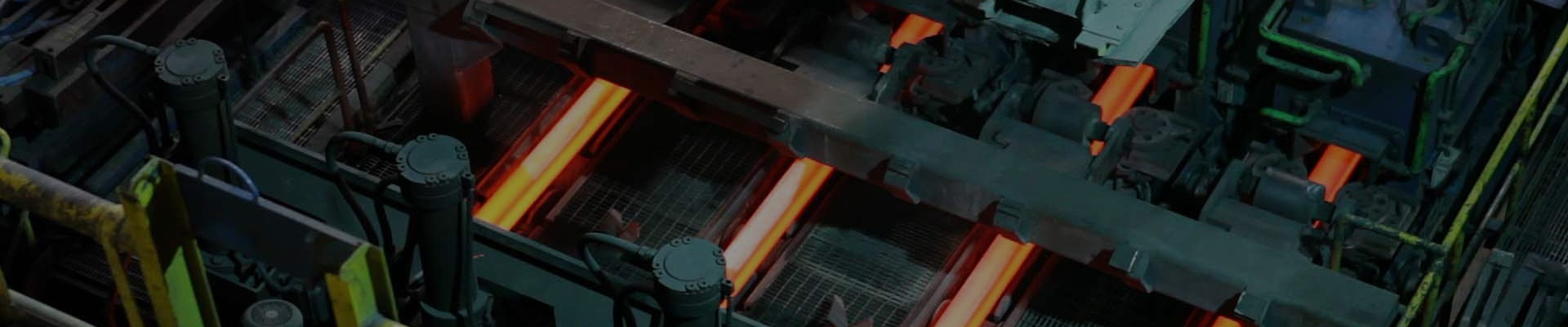

Benefits of Heat-Resistant Conveyor Chains in Automated Production Systems
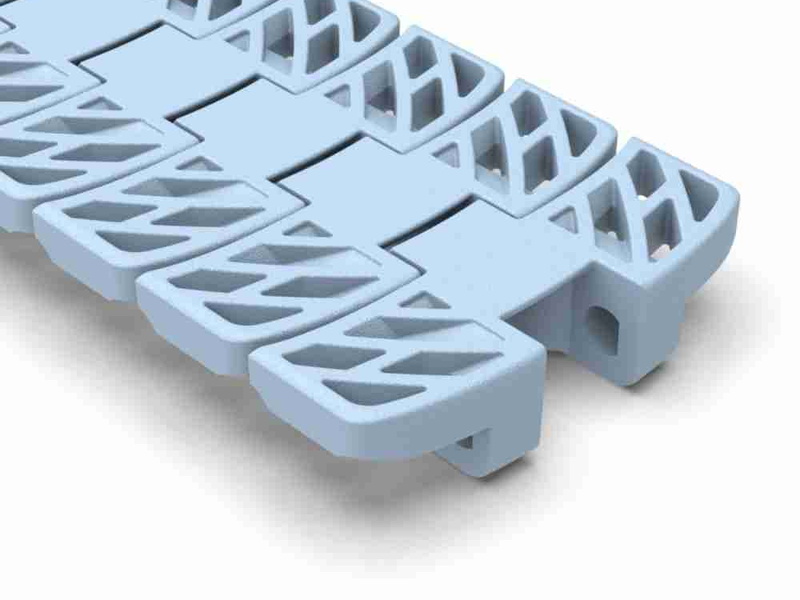
Article content
What Are Heat-Resistant Conveyor Chains?
Heat-resistant conveyor chains are specially designed to withstand extreme temperatures, ranging 500°C to 1000°C, depending on the material and type of chain. These chains are typically made high-strength alloys and materials that can endure the stress and heat generated in environments like kilns, furnaces, or metal processing plants.
These chains are essential for moving hot materials, such as clinker in cement production, hot metals in steel manufacturing, and molten plastic in plastic production. Their ability to handle high temperatures without compromising performance ensures that production lines remain operational without interruptions.
Benefits of Heat-Resistant Conveyor Chains in Automated Production Systems
1. Continuous Operation in High-Temperature Environments
One of the key advantages of heat-resistant conveyor chains is their ability to operate continuously in high-temperature environments. Many industries require the transport of materials that are subjected to intense heat in processes such as cement manufacturing, metal casting, and plastic molding.
Heat-resistant conveyor chains ensure that these materials can be transported safely and efficiently through production lines, even when exposed to high temperatures. This ensures that the production process remains smooth and uninterrupted, improving system uptime and overall production efficiency.
2. Improved Durability and Longer Service Life
Heat-resistant conveyor chains are built to last longer in environments where regular conveyor chains would fail due to high temperatures. These chains are designed to resist the wear and tear caused by extreme heat, maintaining their strength and performance over time.
In industries like cement production and metal casting, where conveyor chains are exposed to intense heat and abrasion, using heat-resistant chains helps extend the lifespan of the system and reduces the frequency of maintenance and replacement.
By improving durability and reducing wear, businesses save on long-term maintenance costs, ultimately leading to cost savings over time.
3. Increased Safety and Reduced Risk of Failure
In high-temperature environments, there is always a risk of equipment failure that could disrupt production and potentially cause accidents. Heat-resistant conveyor chains help mitigate this risk by ensuring that the transport system remains operational even in extreme conditions. These chains are specifically engineered to prevent chain failure caused by thermal stress, which is particularly important in industries dealing with molten metals or hot materials.
By ensuring reliable material transport even in harsh conditions, heat-resistant conveyor chains contribute to a safer work environment, reducing the potential for accidents related to system breakdowns or failures.
4. Efficient Transportation of Hot Materials
Heat-resistant conveyor chains are designed to handle the specific needs of industries that require the transportation of hot materials. These chains facilitate efficient handling of materials such as molten metals, hot clinker, and plastic pellets without causing degradation to the materials or the system itself.
In industries like steel manufacturing or plastic production, where materials need to be transported through high-temperature zones, heat-resistant chains ensure that materials are moved safely and at the right pace without compromising production efficiency or material quality.
5. Cost Savings and Reduced Downtime
While heat-resistant conveyor chains may have a higher upfront cost compared to standard chains, their long-term benefits make them a cost-effective investment. By reducing the need for frequent replacements and minimizing downtime, heat-resistant chains help businesses save on maintenance costs and prevent production delays caused by equipment failure.
For example, in cement plants where clinker is handled at extremely high temperatures, the use of heat-resistant conveyor chains ensures that transportation remains uninterrupted, thus avoiding costly production halts.
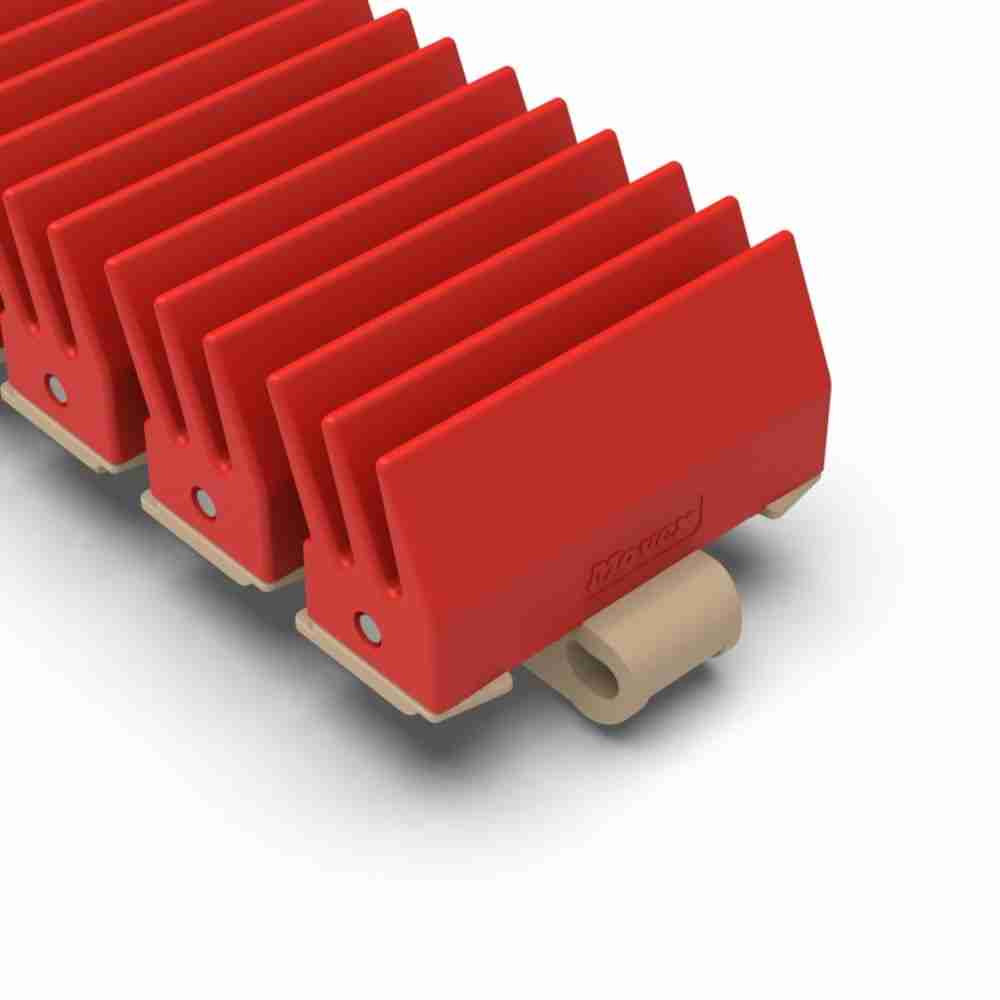
Applications of Heat-Resistant Conveyor Chains in Automated Production Systems
1. Cement Production
In the cement industry, heat-resistant conveyor chains are essential for transporting clinker the kiln to cooling or grinding areas. As clinker is produced at temperatures up to 1500°C, the chains must be able to withstand such extreme heat to ensure uninterrupted transportation between production stages.
Heat-resistant conveyor chains also help reduce maintenance downtime, as they are designed to handle the wear and tear caused by both high temperatures and abrasive materials.
2. Metal Casting and Steel Manufacturing
In the metal casting and steel manufacturing industries, heat-resistant conveyor chains are used to move molten metal and hot metal billets through various stages of production. These materials are typically extremely hot, and only heat-resistant chains can ensure safe and reliable transport without compromising the chain's performance.
The chains' ability to endure high thermal loads is crucial for ensuring that metal parts reach their next production stage safely and without causing damage to other components of the system.
3. Plastic Manufacturing
In the plastic industry, heat-resistant conveyor chains are used to transport molten plastic through extrusion lines and other high-temperature processing areas. Conveyor chains are often exposed to high heat during the extrusion process, making it crucial to use heat-resistant chains to avoid failures that could lead to production delays or product defects.
Heat-resistant conveyor chains help ensure that molten plastic is transported efficiently and safely one stage to another, preventing contamination and maintaining product quality.

Conclusion
Heat-resistant conveyor chains are an essential component for industries that deal with high-temperature materials. They offer several benefits, including continuous operation in high-temperature environments, improved durability, enhanced safety, and cost savings. By selecting the right heat-resistant chain for automated production systems, businesses can increase efficiency, reduce downtime, and enhance overall system reliability.
If you are looking for heat-resistant conveyor chain solutions for your automated production systems, contact us today for expert advice and tailored solutions that meet your specific needs.
AAdministratorsQTV
Welcome. Feel free to leave a comment, we will respond soon