

Choosing the Right Conveyor Chain for Food Processing Lines: Key Factors to Consider
Article content
Key Factors to Consider When Choosing Conveyor Chains for Food Processing
1. Material Selection
-
The material of the conveyor chain is the most important factor to consider. For food processing, stainless steel is generally the material of choice due to its corrosion resistance, ease of cleaning, and durability. Stainless steel chains can withstand exposure to water, oils, acidic foods, and high temperatures, making them ideal for handling wet and moist food products.
-
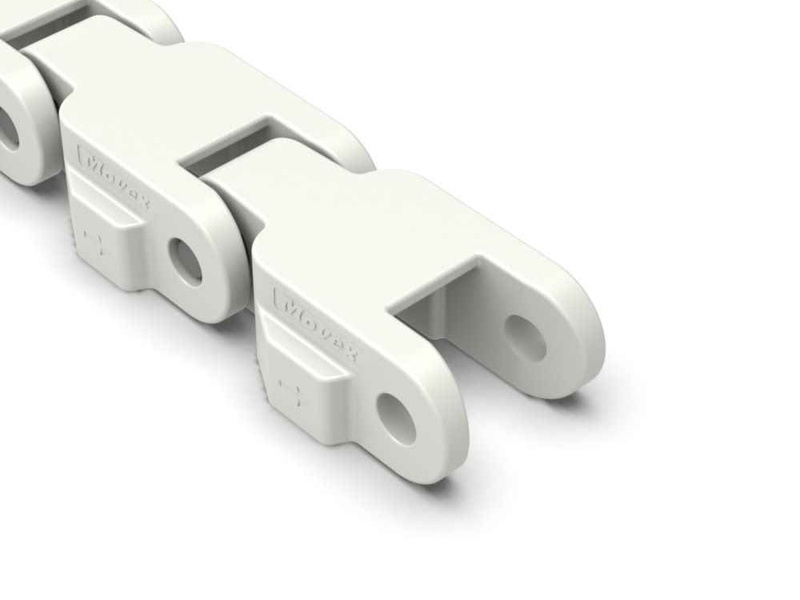
Other materials, such as plastic chains, may be suitable for specific applications that require lightweight chains or less stringent hygiene requirements, but they may not perform as well in high-temperature or corrosive environments.
2. Corrosion Resistance
-
Food processing plants often deal with moisture, cleaning chemicals, and food ingredients that can promote corrosion if the conveyor chain is not made of the right material.
-
Stainless steel chains are highly corrosion-resistant and suitable for food environments where chains are exposed to wet conditions or harsh cleaning agents. On the other hand, carbon steel chains may rust quickly when exposed to moisture and chemicals, making them less suitable for environments where hygiene is a top priority.
3. Hygiene and Cleanability
-
In food processing, hygiene is paramount. Conveyor chains must be easy to clean and sanitize to prevent the buildup of food particles, bacteria, and contaminants.
-
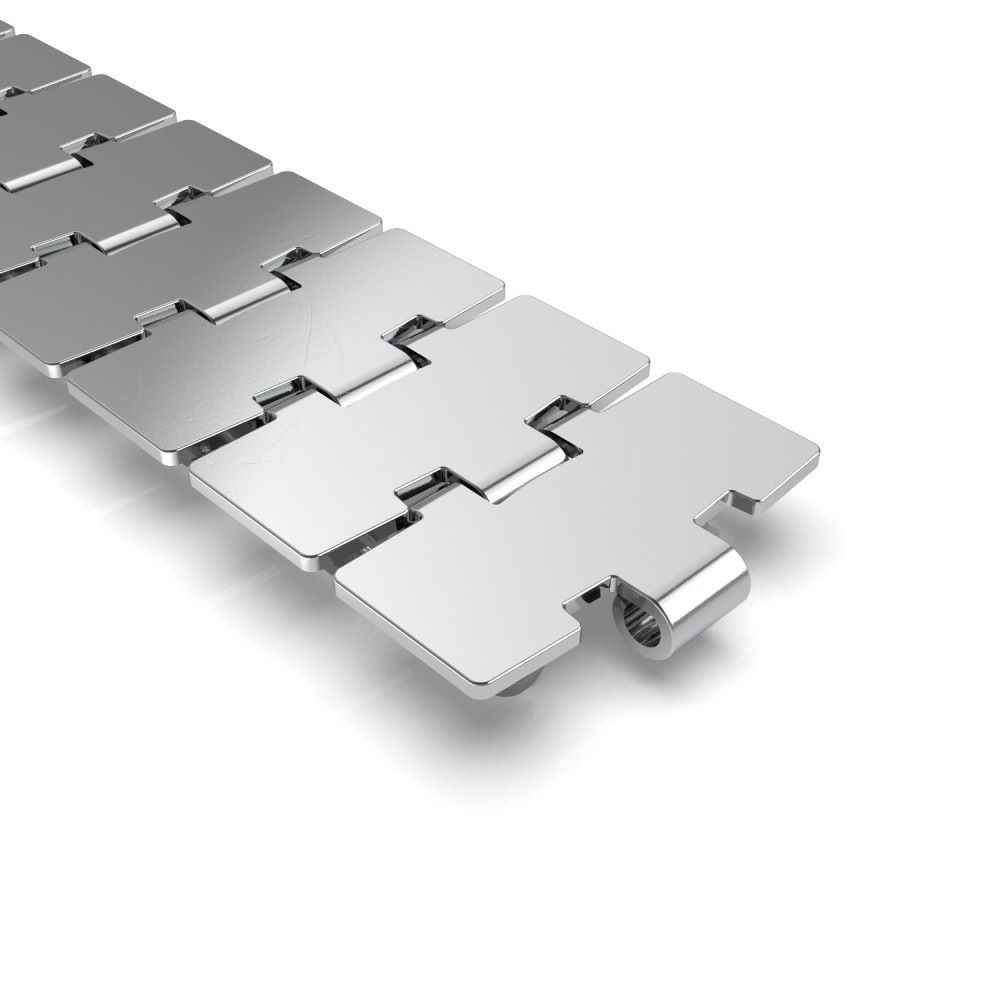
Stainless steel chains offer a smooth surface that makes cleaning much easier, reducing the risk of contamination. Chains should be designed with minimal gaps to avoid food residue accumulation and should be able to withstand high-temperature sterilization and chemical cleaners without deteriorating.
4. Temperature Resistance
-
Many food processing lines, such as those used in baking, frying, cooking, and sterilization, require conveyor chains that can withstand high temperatures without warping or losing strength.
-
Stainless steel conveyor chains are highly resistant to high temperatures and can operate in ovens, fryers, or autoclaves that exceed 200°C. For applications involving extremely high temperatures, chains made heat-resistant alloys or high-temperature stainless steel may be required.
5. Load Capacity and Durability
-
Conveyor chains must be able to handle the weight of the materials being transported. The chain should have a sufficient load capacity to move heavy materials, such as bulk grains or packaged products.
-
Durability is also an important factor. Chains used in food processing lines should last for a long time without needing frequent repairs or replacements. Stainless steel chains offer excellent strength and longevity, making them a reliable choice for high-demand production environments.
Common Types of Conveyor Chains for Food Processing
| Conveyor Chain Type | Advantages | Applications |
|---|---|---|
| Stainless Steel Chains | Corrosion-resistant, durable, easy to clean, withstands high temperatures. | Food processing lines, baking, frying, washing, and sterilizing. |
| Plastic Conveyor Chains | Lightweight, low maintenance, less expensive, suitable for non-heavy applications. | Packaging, dry food handling, and light-duty transport. |
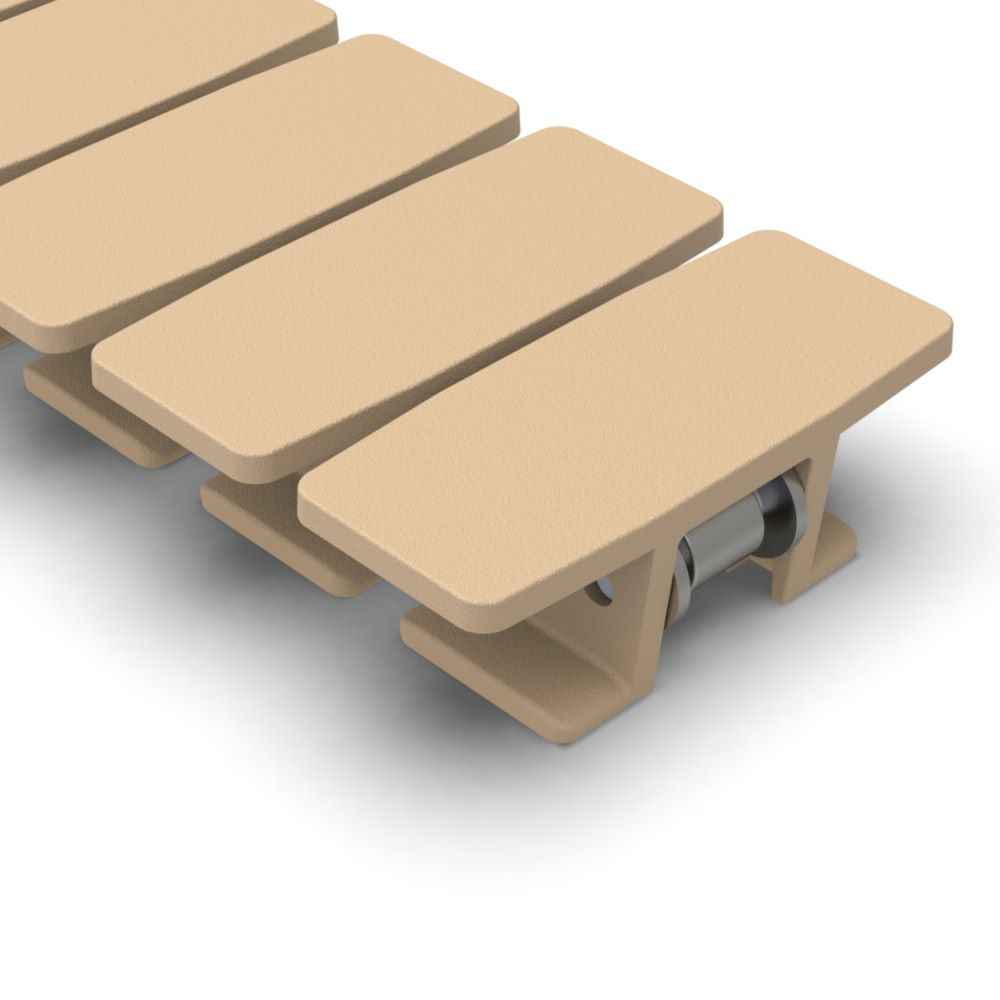
| Modular Chains | Easy to assemble and disassemble, customizable for complex systems. | Packaging lines, sorting, and food sorting systems. |
| Roller Chains (for heavy duty) | High load capacity, resistant to wear. | Bulk material handling, grain processing, heavy food packaging. |
How to Ensure Conveyor Chains Meet Food Safety Standards
1. Compliance with FDA and GMP Standards
-
Conveyor chains used in food processing must comply with FDA and GMP standards. These standards ensure that materials used in the chain are food-safe and that the chains meet hygiene and sanitation requirements for food manufacturing.
-
Stainless steel conveyor chains are commonly used in food production because they meet these stringent FDA and GMP regulations for direct food contact.
2. Sanitation and Cleaning Protocols
-
Establishing a clear cleaning protocol for conveyor chains is essential to ensure that food products are not contaminated during the processing stages. Use food-safe detergents and sanitizers and schedule regular cleaning and maintenance procedures to meet hygiene standards.
-
Consider investing in automated cleaning systems that ensure consistent cleaning and reduce downtime between production runs.
Conclusion
Choosing the right conveyor chain for your food processing line is crucial for ensuring product quality, efficiency, and compliance with hygiene standards. Factors such as material selection, corrosion resistance, ease of cleaning, and temperature resistance should all be considered when selecting the optimal chain for your production process.
For most food processing applications, stainless steel conveyor chains are the preferred choice due to their durability, corrosion resistance, and easy maintenance. However, for applications with less stringent hygiene requirements or lighter-duty operations, plastic conveyor chains may be more suitable.
If you need assistance with selecting the right conveyor chain for your food processing line or have questions about maintenance and hygiene protocols, feel free to contact us for expert guidance!
AAdministratorsQTV
Welcome. Feel free to leave a comment, we will respond soon