

Comparing Stainless Steel and Carbon Steel Conveyor Chains in the Food and Pharmaceutical Industries: The Optimal Choice for Production

Article content
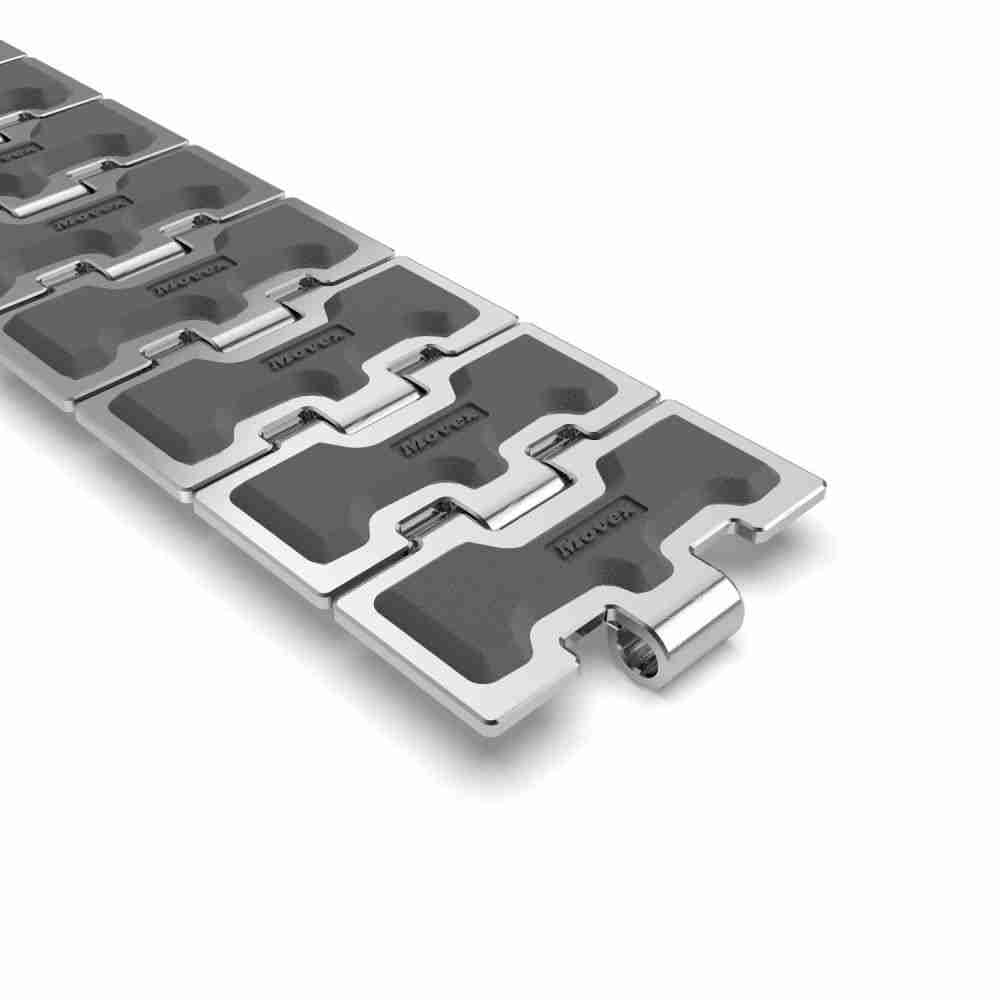
Stainless Steel Conveyor Chains: Features, Advantages, and Applications
1. Features of Stainless Steel Conveyor Chains
-
Stainless steel conveyor chains are known for their high corrosion resistance. These chains are made stainless steel alloys that offer excellent protection against rust, oxidation, and corrosion, making them ideal for use in moist environments.
-
In addition to corrosion resistance, stainless steel chains can withstand high temperatures, chemical exposure, and extreme stress, ensuring they maintain their integrity in harsh manufacturing environments.
2. Advantages of Stainless Steel Conveyor Chains
-
Corrosion resistance: Stainless steel is highly resistant to rust and corrosion, making it ideal for wet environments in food processing and sterile environments in pharmaceutical manufacturing.
-
Ease of cleaning: The smooth surface of stainless steel makes it easy to clean and sanitize, which is essential for meeting strict hygiene standards in both the food and pharmaceutical industries.
-
Durability: Stainless steel chains have a long lifespan, even in high-temperature or chemically aggressive environments. They can withstand the rigors of continuous operation without deteriorating.
3. Applications of Stainless Steel Conveyor Chains
-
Food industry: Stainless steel chains are commonly used in food processing lines that handle wet foods, acidic products, and high-heat environments such as baking or frying.
-
Pharmaceutical industry: Stainless steel chains are used in pharmaceutical production lines where sanitation is critical, such as in the manufacturing of tablets, capsules, and sterile packaging.
Carbon Steel Conveyor Chains: Features, Advantages, and Applications
1. Features of Carbon Steel Conveyor Chains
-
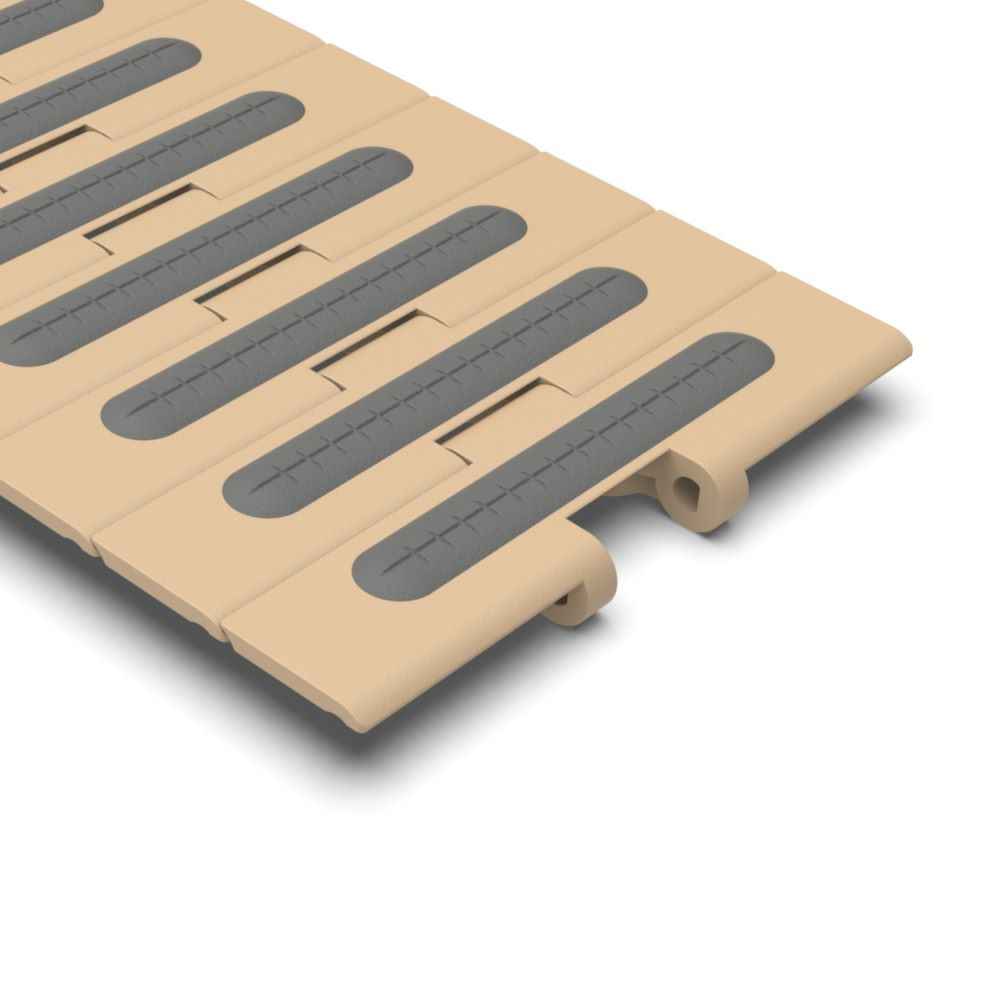
Carbon steel conveyor chains are known for their high strength and load-bearing capacity. These chains are made carbon steel, a material that offers excellent mechanical properties but is more susceptible to corrosion than stainless steel.
-
Carbon steel chains are ideal for applications that require heavy-duty performance but may not be exposed to the corrosive elements present in food or pharmaceutical environments.
2. Advantages of Carbon Steel Conveyor Chains
-
High load capacity: Carbon steel chains can handle heavy loads, making them suitable for industrial applications where the transportation of bulky items is required.
-
Cost-effective: Carbon steel chains are typically more affordable than stainless steel chains, making them a good choice for applications with a lower budget or in industries that do not require extreme corrosion resistance.
-
Strength and toughness: Carbon steel chains offer excellent strength and are resistant to shock loading and impact, making them ideal for use in heavy-duty applications.
3. Applications of Carbon Steel Conveyor Chains
-
Food industry: Carbon steel chains are used in food production lines that handle dry ingredients and products, such as grain processing, baking, or packaging.
-
Pharmaceutical industry: Carbon steel chains are suitable for non-sensitive environments where high strength and cost-effectiveness are prioritized over hygiene, such as in non-critical areas of production.
Comparing Stainless Steel and Carbon Steel Conveyor Chains
| Criteria | Stainless Steel Conveyor Chains | Carbon Steel Conveyor Chains |
|---|---|---|
| Corrosion Resistance | Excellent, resistant to rust, oxidation, and corrosion in wet or chemical environments. | Prone to rust and corrosion, especially in moist or chemically aggressive environments. |
| Temperature Resistance | Can withstand high temperatures without losing strength or performance. | Less heat-resistant than stainless steel; may deform at high temperatures. |
| Ease of Cleaning | Easy to clean and sanitize, ideal for food and pharmaceutical industries with high hygiene standards. | More difficult to clean; requires regular maintenance to prevent rust or contamination. |
| Strength and Durability | Highly durable, long lifespan even in extreme conditions. | High strength and load-bearing capacity but less durable in corrosive environments. |
| Cost | Higher cost due to material properties and corrosion resistance. | More affordable and cost-effective for heavy-duty applications. |
| Applications | Ideal for food processing and pharmaceutical production requiring high hygiene and corrosion resistance. | Best for industrial applications that do not require strict hygiene, such as dry food handling and heavy-duty transport. |
Conclusion
Choosing between stainless steel conveyor chains and carbon steel conveyor chains depends on the specific needs of your production line. Stainless steel chains are the best option for industries that require high hygiene standards, corrosion resistance, and durability, such as the food and pharmaceutical industries. While carbon steel chains are a more cost-effective solution for heavy-duty applications, they may not offer the same level of protection in environments with moisture, chemicals, or high temperatures.
When selecting the right conveyor chain for your operation, consider the specific requirements for load capacity, hygiene, environmental factors, and cost to ensure long-term efficiency and compliance.
If you need help choosing between stainless steel and carbon steel conveyor chains for your production line, feel free to contact us for expert advice and customized solutions!
AAdministratorsQTV
Welcome. Feel free to leave a comment, we will respond soon