

Factors to Consider When Choosing Conveyor Chains for Automated Production Systems
Article content
Conveyor Chains and Their Role in Boosting Efficiency
1. Continuous Material Flow
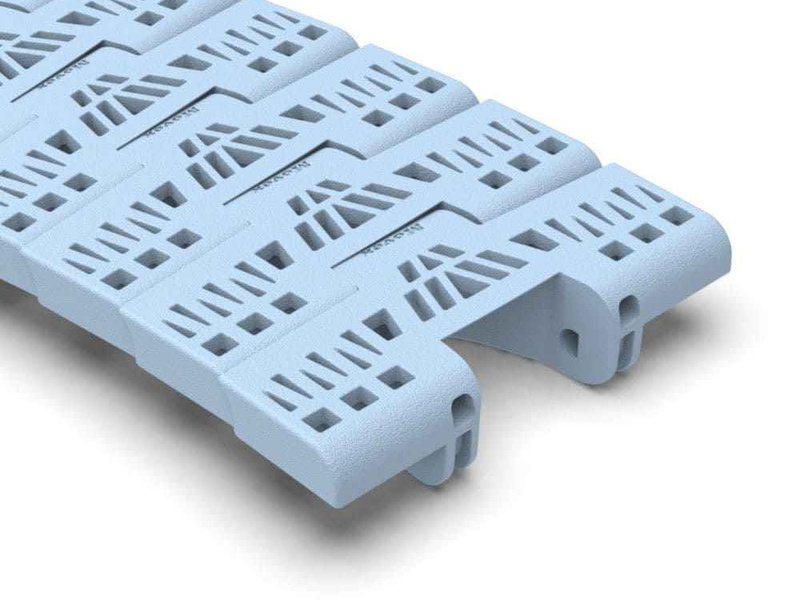
The main advantage of using conveyor chains in automated production lines is the ability to provide a continuous flow of materials. Unlike manual labor or less efficient systems, conveyor chains can operate around the clock, ensuring that materials are constantly moving through the production stages without any delays. This continuous operation eliminates downtime and maximizes the overall throughput of the production line.
In industries such as automotive manufacturing, electronics, and food production, where speed and precision are essential, conveyor chains are the ideal solution to ensure a seamless workflow.
2. Reducing Manual Labor and Errors
By automating the movement of materials, conveyor chains help reduce human involvement in repetitive tasks. The automation of material handling reduces the likelihood of human error, which can occur in manual transportation methods. With accurate positioning and controlled speeds, conveyor chains ensure that each part reaches its designated location on the production line with no deviations.
This significantly improves quality control, particularly in industries like electronics manufacturing where even a small error can lead to product defects or operational disruptions.
3. Increased Speed and Throughput
Conveyor chains are capable of handling high speeds and heavy loads without compromising the performance or accuracy of the system. This allows for faster production cycles, ensuring that more materials and products are processed in less time. The increase in throughput directly contributes to higher output rates, which is essential for meeting production goals and consumer demand.
For instance, in food processing plants, where products must be moved one production stage to another rapidly, conveyor chains ensure the efficient movement of raw materials or finished products, enabling faster processing times and higher productivity.
4. Versatility in Material Handling
Conveyor chains can handle a wide range of materials, including bulk goods, small parts, and delicate items. Whether it's moving heavy pallets in warehouse systems or fragile components in electronics assembly, conveyor chains can be customized to meet the unique needs of each industry.
The flexibility of conveyor chains makes them suitable for various applications in industries such as pharmaceuticals, automotive, and consumer goods, where different types of materials must be transported through different production stages.
Cost Efficiency and Reduced Maintenance
1. Long Lifespan and Durability
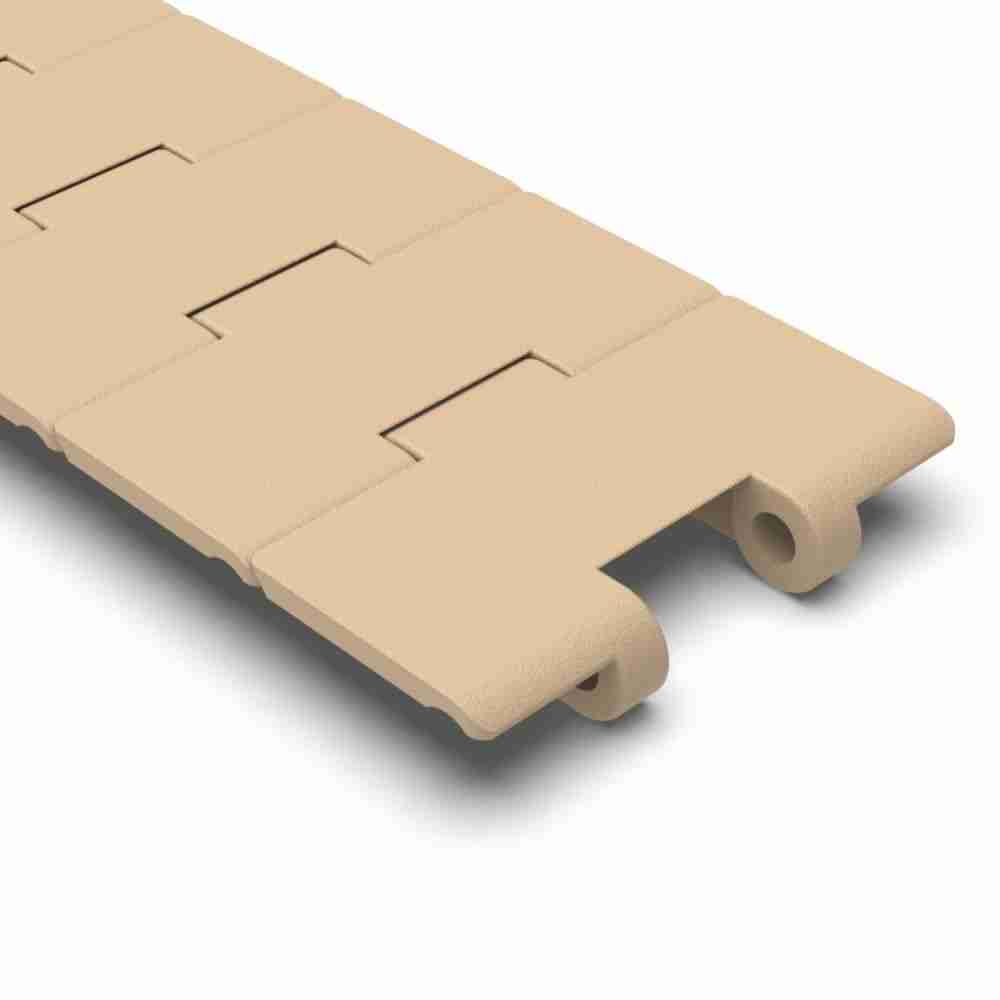
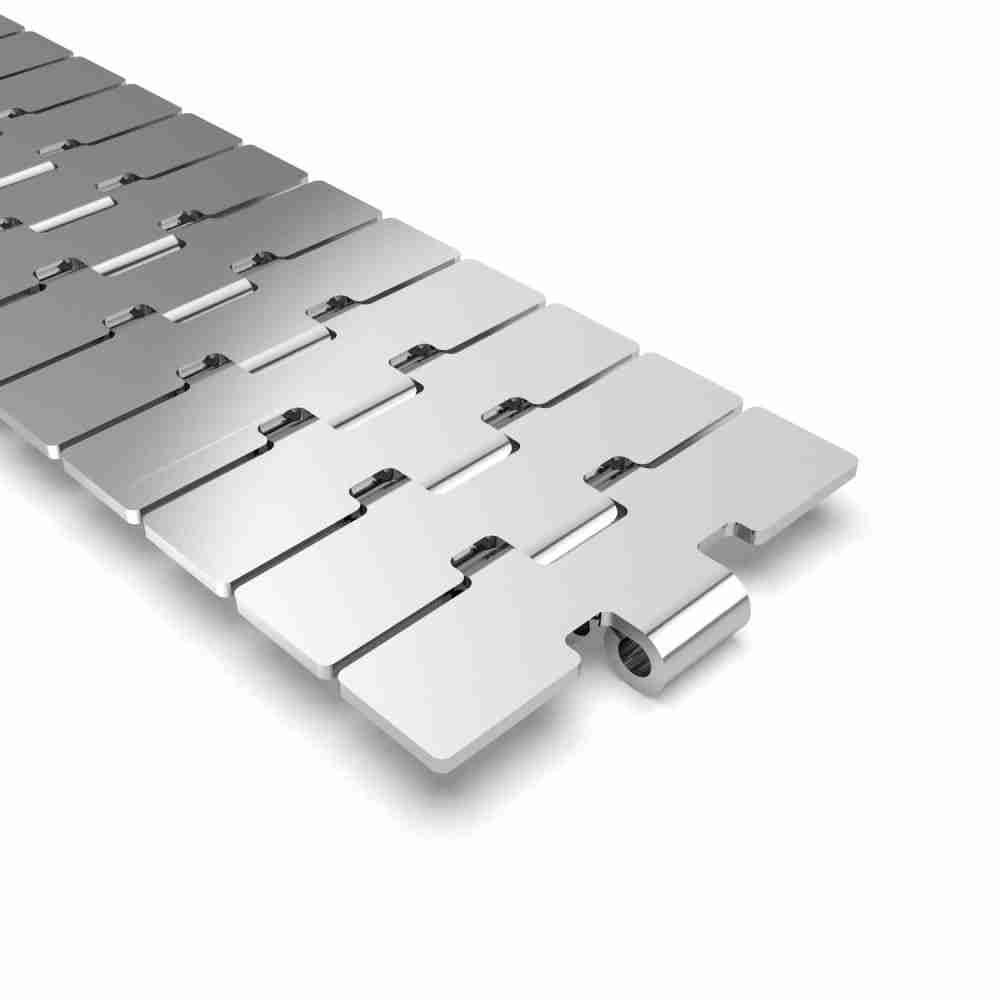
One of the key factors that make conveyor chains so effective in automated production is their long lifespan and durability. Unlike other types of conveyor systems, which may wear out quickly or require frequent replacements, conveyor chains are designed to withstand high-stress environments, heavy loads, and harsh conditions without compromising their integrity.
This durability means that businesses do not have to worry about frequent maintenance costs or system downtimes, which can add up to significant savings in the long run. In industries where downtime is costly, such as automotive manufacturing and pharmaceutical production, the reliability of conveyor chains ensures that production continues without costly interruptions.
2. Lower Operating Costs
Conveyor chains help reduce operating costs in several ways. Firstly, by automating material handling, businesses can significantly cut down on labor costs. As conveyor chains take over the task of transporting materials between production stages, fewer employees are needed to handle the physical movement of goods.
Secondly, because conveyor chains have low maintenance needs compared to other material-handling equipment, businesses save money on repair and maintenance. The durability of these chains results in fewer replacements and lower repair expenses over time.
Applications of Conveyor Chains in Different Industries
1. Automotive Manufacturing
- In the automotive industry, conveyor chains are used extensively to transport car parts and assemblies between various stages of production. Conveyor chains help maintain high production speeds while ensuring that each part is delivered to the next stage of the assembly line at the right time and in the right position.
2. Electronics and Electrical Manufacturing
- In electronics production, where precision is crucial, conveyor chains transport small and delicate components through various stages, including assembly, soldering, and testing. These chains ensure that the components are handled safely without the risk of damage, increasing the efficiency of the process and improving the final product's quality.
3. Food and Beverage Industry
- Conveyor chains are widely used in the food and beverage industry for moving ingredients, products, and packaging. The chains help maintain continuous production lines, minimizing delays while ensuring that each product is delivered through the system at the required pace. This is especially crucial in industries like bottling plants, where large quantities of products need to be transported efficiently.
Conclusion
Conveyor chains play a pivotal role in enhancing the efficiency of automated production lines. boosting speed and throughput to reducing manual labor, errors, and operating costs, conveyor chains are integral to modern manufacturing systems. Their reliability, durability, and versatility ensure that they remain a critical component in a wide range of industries.
If you are looking for solutions to improve your automated production systems with conveyor chains, contact us today for expert advice and customized solutions that will meet your specific needs.
AAdministratorsQTV
Welcome. Feel free to leave a comment, we will respond soon