

Factors to Consider When Choosing Conveyor Chains for Automated Production Systems
In automated production systems, selecting the right components for material handling is crucial for ensuring smooth operation and high productivity. One of the most important components is the conveyor chain, which plays a key role in transporting raw materials, components, and finished products between different stages. Choosing the right conveyor chain is essential to optimizing production processes, reducing the risk of failure, and ensuring stable performance across the entire system.
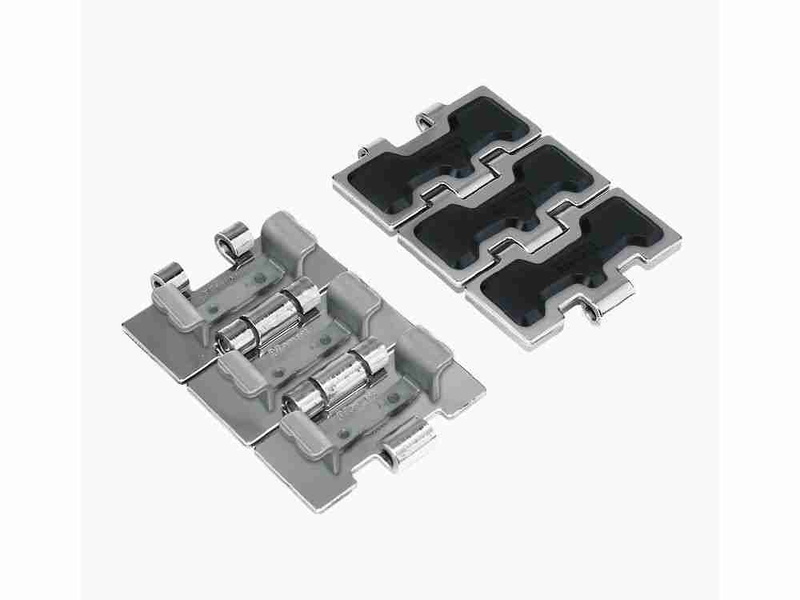
This article will explore the key factors to consider when choosing a conveyor chain for your automated production system, including load capacity, temperature resistance, and other technical and environmental requirements.
Article content
Key Factors to Consider When Choosing Conveyor Chains for Automated Production Systems
1. Load Capacity
- Load capacity is the most important factor to consider when selecting conveyor chains for an automated production system. The materials and products in production can be heavy and require chains that can handle high loads without deformation or failure.
- If the conveyor chain chosen cannot handle the required load, it will lead to system failure, interruptions in production, and higher maintenance costs. It is crucial to conveyor chains with a higher load capacity than the actual needs to ensure stability and long-term durability of the system.
2. Temperature Resistance
- Another critical factor is the temperature resistance of the conveyor chain. In industries like cement production, metalworking, and plastics manufacturing, materials need to be transported at high temperatures.
- Heat-resistant conveyor chains are designed to operate effectively at high temperatures—up to 500°C or more—without compromising performance or structural integrity. When selecting a chain for high-temperature environments, it is essential to choose heat-resistant materials to ensure smooth operations in environments such as kilns, hot metal transfer, and other high-temperature stages.
3. Wear Resistance
- In industries like cement production, mining, and construction, conveyor chains are exposed to abrasive materials such as sand, gravel, and clinker. These materials are prone to causing rapid wear and tear on the chain.
- To ensure long-lasting performance and minimize downtime, it is essential to wear-resistant conveyor chains. These chains are made special alloy materials that can withstand high levels of abrasion, extending the lifespan of the system and reducing the frequency of replacements.
4. Corrosion Resistance
- In environments where the conveyor system comes contact with chemicals, moisture, or salts, corrosion can be a significant issue. Conveyor chains that are resistant to corrosion help ensure that the system functions well despite exposure to aggressive substances.
- Stainless steel conveyor chains or corrosion-resistant alloys are ideal for such environments. They provide excellent protection against corrosion, extending the life of the chain and preventing maintenance issues due to rusting or material degradation.
5. Speed and Efficiency
- When choosing a conveyor chain, it is important to consider the speed and efficiency of the system. Conveyor chains should be able to operate at the required speed without causing material damage or disruption in the production line. Over-speeding or under-speeding can lead to inefficient production or even system breakdowns.
- Properly calculating the speed of operation of the conveyor chain ensures that the materials are delivered at the right pace between production stages, maximizing efficiency and minimizing delays.
6. Environmental Conditions
- The operating environment in which the conveyor chain will be used is an important factor. For instance, factors like humidity, dust, extreme temperatures, and chemical exposure can affect the performance of the conveyor chain.
- For harsh environments, highly durable chains that can withstand exposure to extreme temperatures, abrasive dust, and harsh chemicals are necessary. Chains that are designed for specific environmental conditions will ensure the longevity and efficiency of the system.
Types of Conveyor Chains Suitable for Automated Production Systems
1. Stainless Steel Conveyor Chains
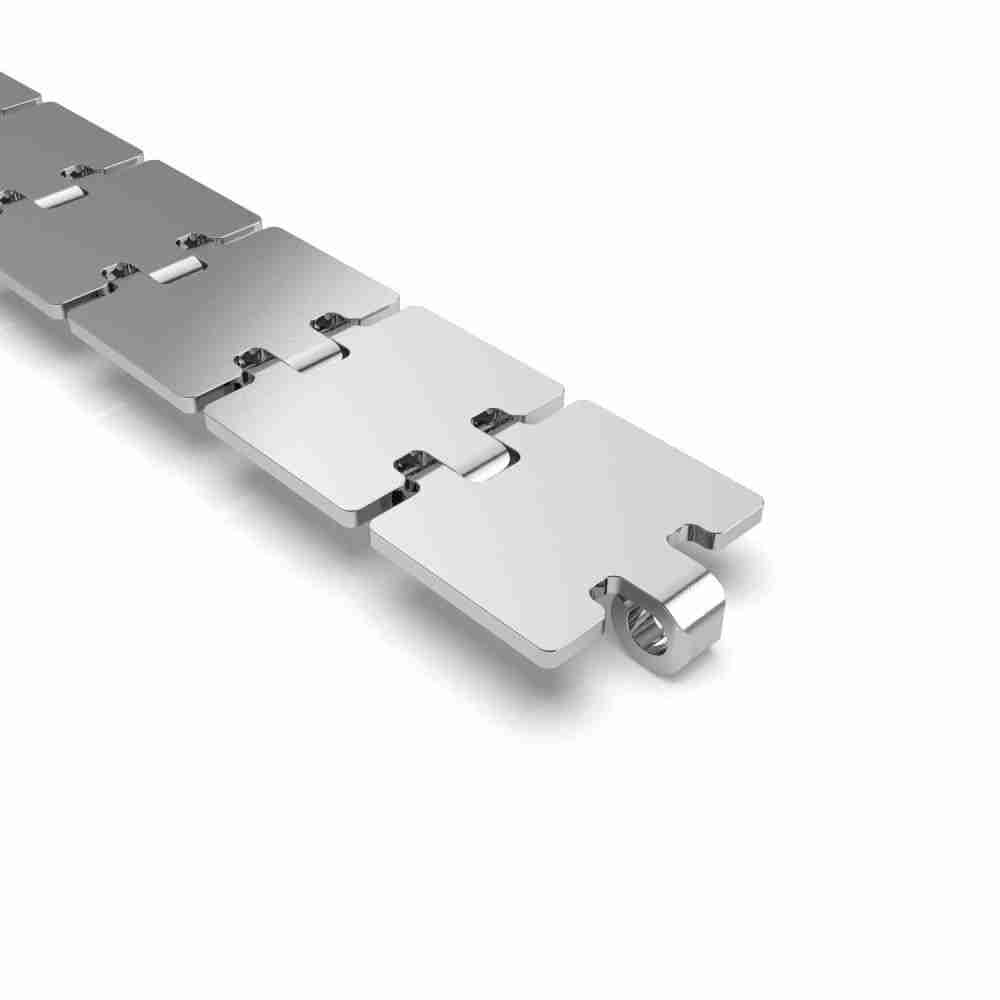
- Stainless steel conveyor chains are highly suitable for environments that require hygiene and cleanliness, such as the food industry, pharmaceuticals, or environments exposed to moisture and chemicals. Stainless steel chains are corrosion-resistant, wear-resistant, and provide long-lasting performance in these industries.
2. Heat-Resistant Conveyor Chains
- Heat-resistant conveyor chains are used in systems that operate in high-temperature conditions, such as kilns or metal processing plants. These chains are designed to withstand temperatures of up to 500°C or more, ensuring continuous operation in environments that would normally degrade standard chains.
3. Wear-Resistant Conveyor Chains
- Wear-resistant conveyor chains are ideal for applications where the materials being transported are abrasive and can wear down regular chains quickly. These chains are commonly used in industries like mining, cement production, and construction, where materials like sand, gravel, and clinker are moved along the conveyor system.
Benefits of Choosing the Right Conveyor Chain
1. Improved Productivity
- Choosing the right conveyor chain helps ensure smooth and continuous operations, which boosts overall productivity in automated production systems. Properly selected chains reduce the risk of downtime and keep the system running at optimal performance.
2. Lower Maintenance Costs
- Selecting the appropriate conveyor chain reduces maintenance costs by minimizing the frequency of repairs and replacements. Durable and reliable chains that are resistant to wear and environmental stress will save businesses time and money in the long run.
3. Safer and More Efficient Operations
- By choosing the right conveyor chain, businesses can ensure safer operations for their employees. Conveyor chains help eliminate manual labor and prevent accidents related to the movement of heavy or hazardous materials. Additionally, they improve the efficiency and reliability of the system.
Conclusion
Choosing the right conveyor chain for an automated production system is essential for ensuring optimal performance, cost efficiency, and safety in the production line. Factors like load capacity, temperature resistance, wear resistance, and the operating environment must be carefully considered to ensure that the conveyor chain fits the needs of your production system.
If you're looking for industrial conveyor chain solutions for your automated production system, contact us today for expert advice and customized solutions tailored to your needs.
AAdministratorsQTV
Welcome. Feel free to leave a comment, we will respond soon