

High-Temperature Conveyor Chains for the Food and Pharmaceutical Industries: Ensuring Quality and Safety
Article content
Applications of High-Temperature Conveyor Chains
1. Food Industry
-
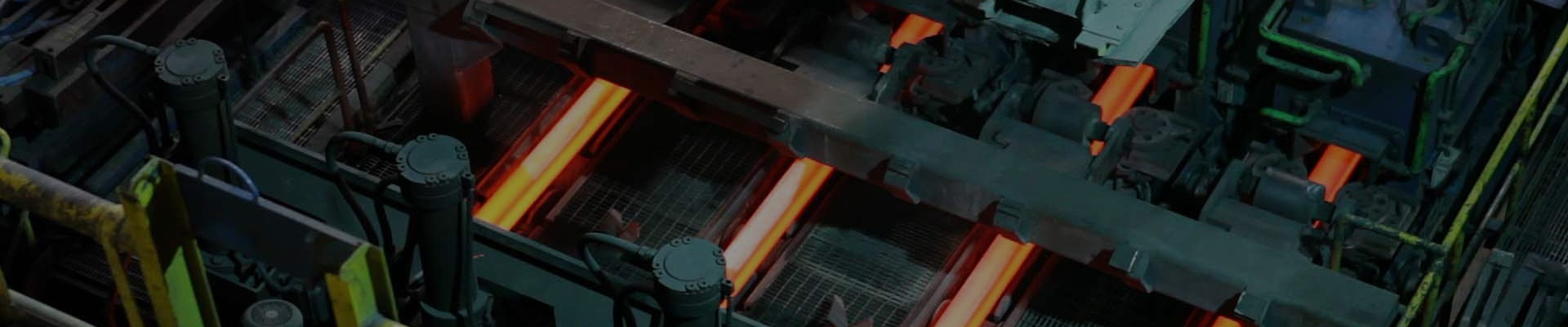
In the food industry, high-temperature conveyor chains are widely used in processes such as baking, roasting, frying, and sterilization. For example, conveyor chains used in baking ovens or drying units need to withstand temperatures ranging 200°C to 500°C.
-
High-temperature conveyor chains made heat-resistant stainless steel or other special alloys are crucial in ensuring that food products are transported safely through these high-heat environments while maintaining their quality and hygiene.
2. Pharmaceutical Industry
-
The pharmaceutical industry also requires high-temperature conveyor chains for processes such as sterilization, drying of active ingredients, and packaging. The chains used in autoclaves or drying ovens must endure sterilization temperatures that can exceed 200°C.
-
Heat-resistant conveyor chains are essential to ensure that medications or pharmaceutical materials are handled in a sterile environment without contamination the chain material itself.
Materials Used for High-Temperature Conveyor Chains
1. Stainless Steel Chains
-
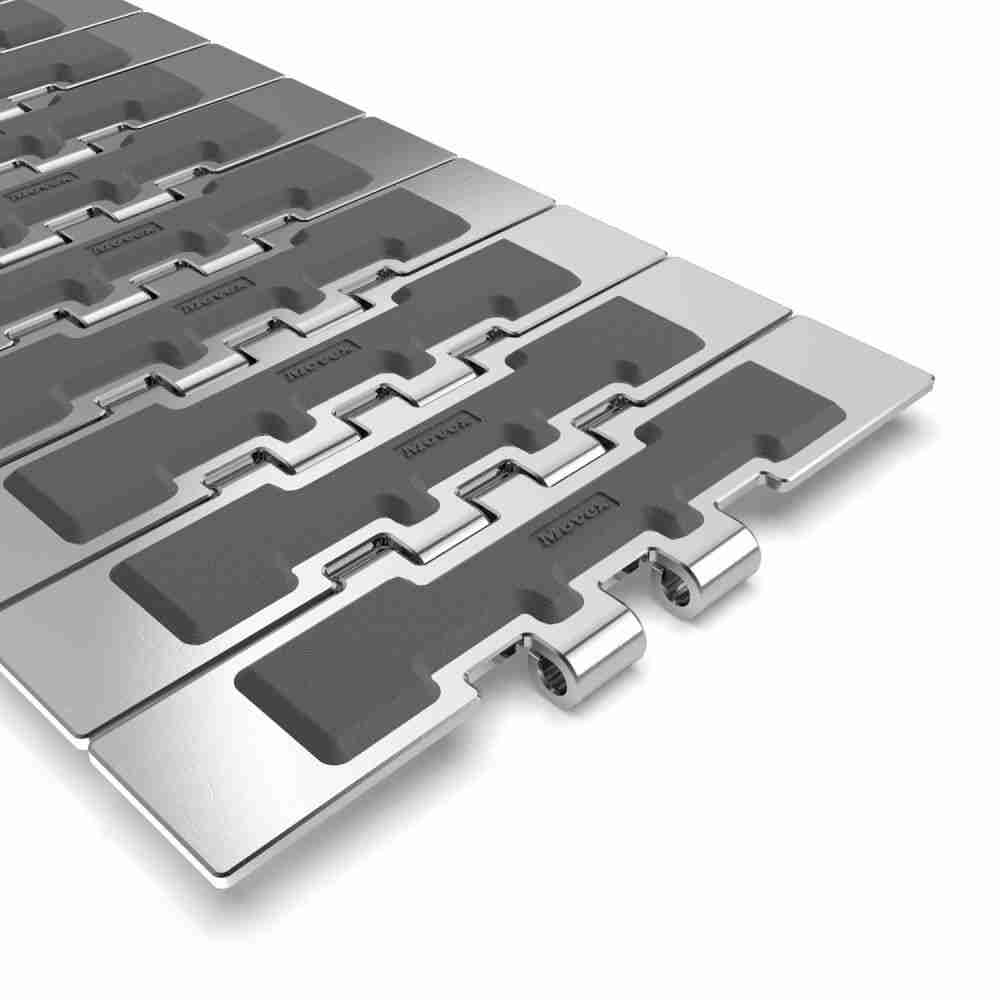
Stainless steel chains, especially those made grades 304 and 316, are widely used for high-temperature applications. Stainless steel offers excellent corrosion resistance, heat resistance, and strength at elevated temperatures, making it ideal for the food and pharmaceutical industries.
-
For extreme temperatures, 316L stainless steel, known for its resistance to heat and corrosive substances, is often used in applications like sterilization in the pharmaceutical industry.
2. Alloy Chains
-
In some applications where extremely high temperatures are involved (above 500°C), special alloy chains are used. These chains are designed to withstand temperatures that might exceed the limits of regular stainless steel.
-
Alloy chains, such as those made nickel alloys or high-temperature steel, are used in industrial food production processes like cooking, frying, or roasting.
3. Chain Coatings and Treatments
-
In some cases, conveyor chains are coated or treated to increase their heat resistance. Ceramic coatings or chrome plating can help extend the life of the chain by providing an additional layer of protection against heat damage and corrosion.
-
These coatings are particularly useful in environments where high temperatures are combined with aggressive chemicals or moisture.
Benefits of High-Temperature Conveyor Chains
1. Ensuring Product Quality
-
Conveyor chains that can withstand high temperatures ensure that the integrity of food and pharmaceutical products is maintained. Whether it's a baked good in a food factory or a sterilized medication in a pharmaceutical plant, the chain should not contaminate or damage the product during transportation.
-
Heat-resistant conveyor chains help ensure that products are transported safely through high-temperature environments without the risk of deformation, rust, or bacterial contamination.
2. Enhanced Durability
-
High-temperature conveyor chains are designed to last longer in extreme environments, reducing the frequency of replacements and minimizing downtime for maintenance.
-
By using materials that can withstand high heat, companies can increase the lifespan of their equipment and reduce the overall cost of production.
3. Regulatory Compliance
-
The use of high-temperature conveyor chains is crucial for meeting safety and sanitation standards in industries like food production and pharmaceuticals. Regulatory bodies like the FDA and EU regulations require that production equipment meets strict criteria for safety, hygiene, and quality.
-
Heat-resistant chains help companies comply with these regulations by maintaining a clean, safe, and efficient production environment.
Key Considerations When Selecting High-Temperature Conveyor Chains
1. Temperature Range
-
Always choose a high-temperature conveyor chain that is rated for the temperature range of your application. For the food industry, chains need to be able to handle temperatures between 200°C and 500°C, while pharmaceutical applications may require higher temperatures for sterilization.
2. Material Compatibility
-
Ensure that the material of the conveyor chain is compatible with both the temperature and the environmental factors it will be exposed to, such as moisture, chemicals, or steam.
3. Maintenance and Cleaning
-
High-temperature environments can lead to the accumulation of residue and grease, so regular cleaning and maintenance are essential to keep conveyor chains running efficiently. Choose chains that are easy to clean and maintain to meet the hygiene standards required in both food and pharmaceutical industries.

Conclusion
High-temperature conveyor chains are essential for the food and pharmaceutical industries, where they ensure the safe transport of materials through processes involving extreme heat. The right choice of material, whether stainless steel, alloys, or coated chains, will depend on the specific requirements of each production line.
By using the correct high-temperature conveyor chains, businesses can improve the efficiency of their production systems, enhance product quality, and maintain compliance with industry regulations. Investing in durable, heat-resistant chains not only ensures safety but also contributes to the long-term success of manufacturing operations.
For expert advice on high-temperature conveyor chains and custom solutions for your production line, don’t hesitate to contact us for a free consultation.
AAdministratorsQTV
Welcome. Feel free to leave a comment, we will respond soon