
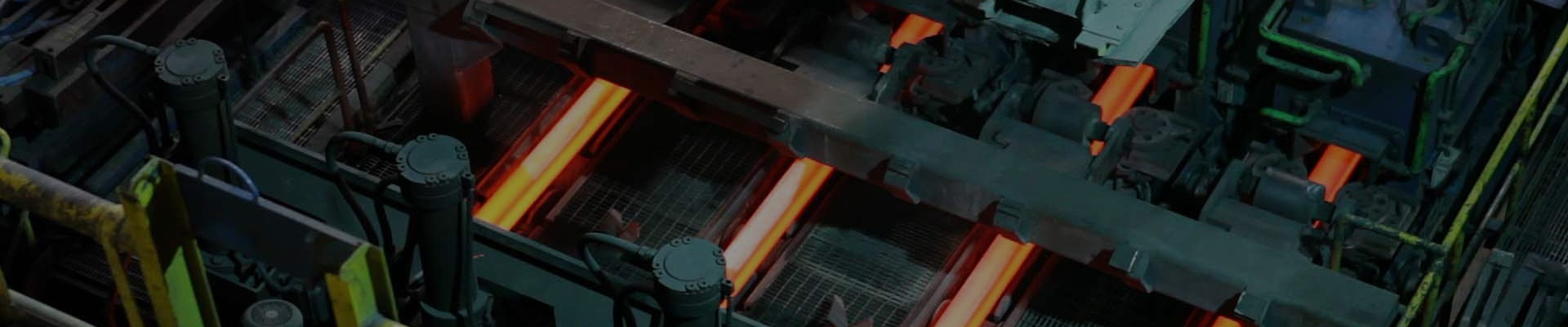

Important Considerations When Using Conveyor Chains in the Food Industry
In the food industry, maintaining hygiene and safety standards is of utmost importance. Conveyor chains play a crucial role in transporting raw materials and finished products through production lines. However, their direct or indirect contact with food products requires strict adherence to food safety regulations and proper maintenance procedures.
This article highlights the most important considerations when using conveyor chains in food processing environments, helping businesses ensure product safety, equipment durability, and regulatory compliance.

Article content
Why Are Safety and Maintenance Crucial in Food Conveyor Systems?
- Conveyor chains in food production environments are exposed to moisture, food residues, and cleaning chemicals, all of which can lead to corrosion and contamination if not properly managed.
- Improper maintenance or material selection can result in product contamination, production downtime, and non-compliance with food safety standards such as FDA, EU 10/2011, and HACCP.
- Ensuring hygienic design, regular cleaning, and appropriate materials is key to maintaining food safety and protecting consumer health.
.jpg)
Key Considerations When Using Conveyor Chains in the Food Industry
1. Selecting the Right Materials
- Stainless Steel 304 and 316 are preferred for their corrosion resistance and food safety compliance.
- Stainless Steel 316 offers superior resistance to saltwater and chemical cleaning agents, making it ideal for seafood processing or harsh environments.
- Plastic conveyor chains made Acetal (POM) or Polyethylene are suitable for lightweight applications where lubrication-free operation is needed.
2. Ensuring Compliance with Food Safety Standards
- Conveyor chains must comply with FDA, EU 10/2011, and HACCP standards.
- Use NSF H1-approved lubricants, safe for incidental food contact.
- The chain design should have smooth surfaces and minimal crevices to prevent the buildup of food particles and bacteria.
3. Implementing Regular Cleaning and Sanitation Procedures
- Clean conveyor chains daily using hot water (65-80°C) or steam cleaning to remove food residues.
- Use food-grade cleaning agents that are effective yet safe for materials like stainless steel and plastic.
- Conduct weekly deep cleaning, dismantling chains if necessary to access hidden areas.
4. Performing Routine Maintenance and Inspections
- Regularly inspect conveyor chains for signs of wear, elongation, or component failure.
- Adjust chain tension to avoid sagging or over-tensioning, which can lead to premature wear.
- Replace worn or damaged links immediately to prevent chain breakage or contamination risks.
5. Avoiding Cross-Contamination
- Use separate conveyor chains for handling raw and cooked products to prevent cross-contamination.
- Implement color-coded systems or distinct chain types to identify different production zones.
6. Training Staff on Proper Operation and Maintenance
- Ensure operators understand cleaning protocols and maintenance schedules.
- Provide training on identifying early signs of wear, corrosion, or sanitation issues.
Common Mistakes to Avoid in Conveyor Chain Maintenance
| Common Mistake | Impact | Solution |
|---|---|---|
| Using non-food-grade lubricants | Risk of contaminating food products | Use NSF H1-certified lubricants |
| Infrequent cleaning and maintenance | Bacterial growth, product contamination | Implement daily cleaning and regular inspections |
| Over-lubrication | Attracts dust and food particles, leading to contamination | Apply minimal, appropriate lubrication |
| Ignoring chain tension adjustments | Increased wear, chain failure | Conduct routine tension checks and adjustments |
Benefits of Proper Conveyor Chain Usage in Food Processing
- Enhanced food safety compliance, ensuring consumer protection and regulatory approval.
- Improved equipment lifespan, reducing maintenance costs and downtime.
- Higher productivity, as automated systems operate smoothly and reliably.
- Reduced contamination risks, preserving product quality and brand reputation.
.jpg)
Conclusion
Using conveyor chains in the food industry requires strict adherence to safety and hygiene standards. By selecting food-grade materials, implementing rigorous cleaning protocols, and ensuring proper maintenance, businesses can protect product integrity, extend equipment life, and comply with international food safety regulations.
If your food processing facility is looking for reliable and compliant conveyor chain solutions, contact our team for expert advice and customized product offerings.
AAdministratorsQTV
Welcome. Feel free to leave a comment, we will respond soon