

Selecting the Right Conveyor Chains for Automated Production Systems
In automated production systems, choosing the right components for material handling is essential to ensure smooth and efficient operation. One of the most important components in these systems is the conveyor chain, which plays a vital role in transporting raw materials, components, and finished products between different stages of production. Selecting the appropriate conveyor chain ensures the optimization of the production process, reduces the risk of failure, and maintains stability throughout the system.
This article will guide you through the key factors to consider when selecting a conveyor chain for your automated production system, including load capacity, temperature resistance, and other technical and environmental requirements.
Article content
Key Factors to Consider When Choosing Conveyor Chains for Automated Production Systems
1. Load Capacity
- Load capacity is the most important factor when choosing conveyor chains for an automated production system. The materials and products in production may have heavy weights and require chains that can handle high loads without deforming or failing.
- If the chosen conveyor chain is not capable of handling the required load, it will lead to system breakdowns, production interruptions, and increased maintenance costs. It’s crucial to conveyor chains with a load capacity slightly higher than the actual requirement to ensure the stability and long-term durability of the system.
2. Temperature Resistance
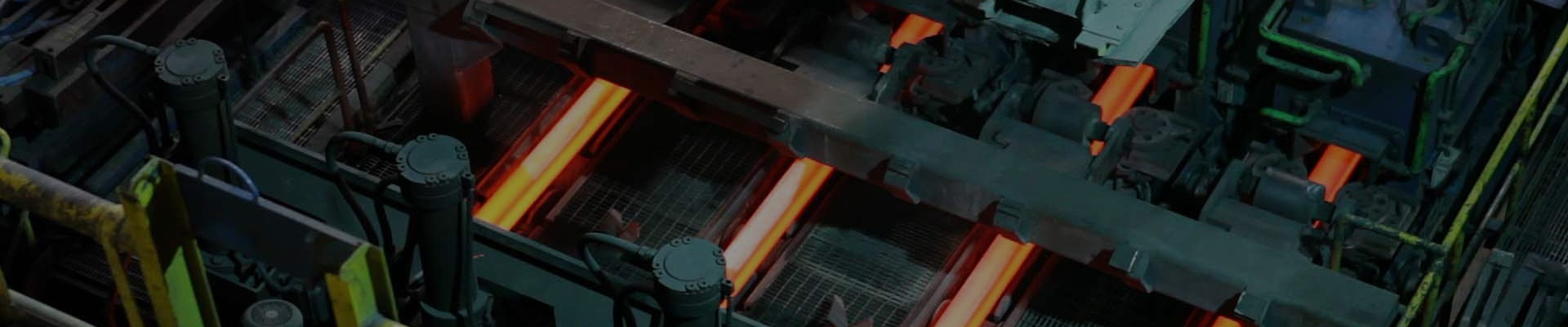
- Another critical factor when selecting conveyor chains is their ability to withstand high temperatures. In industries such as cement, metal, and plastic manufacturing, materials may need to be transported at high temperatures during certain production processes.
- Heat-resistant conveyor chains are designed to function effectively in high-temperature environments, up to 500°C or more, without compromising performance. For high-temperature applications, it’s essential to choose heat-resistant materials for the chain to ensure the smooth operation of the system without overheating.
3. Wear Resistance
- In industries such as cement, mining, and construction, conveyor chains are exposed to abrasive materials like sand, gravel, and clinker. These materials can quickly cause wear on the chain if it’s not made to withstand such conditions.
- Wear-resistant conveyor chains are designed using special alloy materials that can withstand abrasion and extend the lifespan of the system. Choosing the right wear-resistant chain reduces maintenance costs and improves the system’s reliability, especially in high-wear applications.
4. Corrosion Resistance
- In environments where chemicals, moisture, or salts are present, the corrosion resistance of the conveyor chain is a critical factor. Conveyor chains made of stainless steel or corrosion-resistant alloys offer protection against corrosion, ensuring long-term operation without degradation.
- For industries that deal with harsh environments—such as food processing, pharmaceuticals, or chemical plants—corrosion-resistant chains help prevent failures due to rust and extend the operational life of the system.
5. Speed and Efficiency
- When choosing conveyor chains, it is important to consider the speed at which the system needs to operate. Conveyor chains should be capable of working at the required speed without causing material damage or disruptions in the production line.
- Proper calculation of the operating speed ensures that materials are moved at the right pace, without delays between production stages. If the speed is too fast or too slow, it can negatively affect the efficiency and output of the system.
Types of Conveyor Chains Suitable for Automated Production Systems
1. Stainless Steel Conveyor Chains
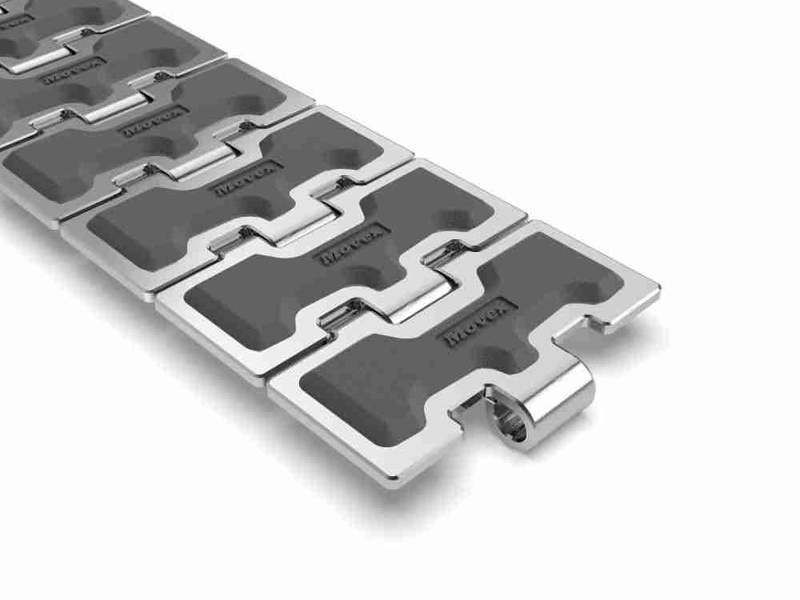
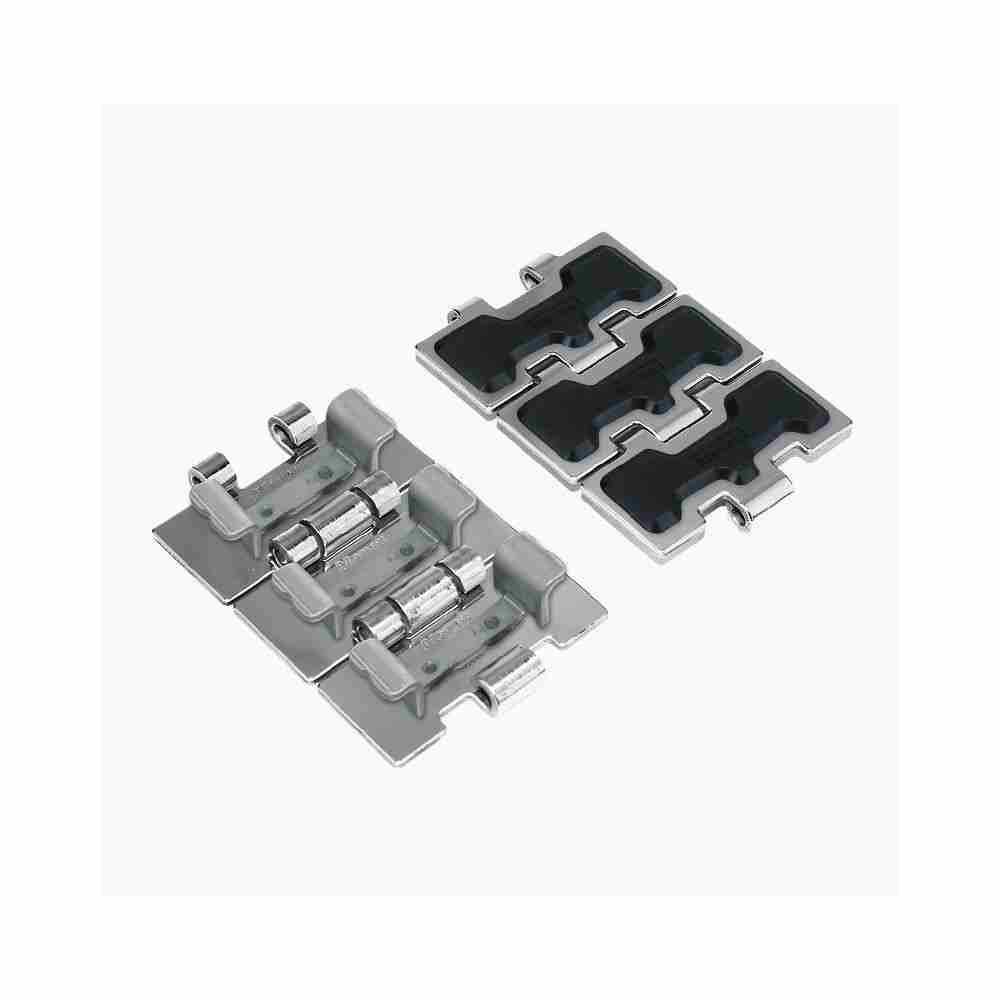
- Stainless steel conveyor chains are ideal for industries that require hygienic environments, such as food production, pharmaceuticals, or areas exposed to moisture or chemicals. Stainless steel chains offer corrosion resistance, wear resistance, and long-lasting performance in these industries.
2. Heat-Resistant Conveyor Chains
- Heat-resistant conveyor chains are suitable for systems that operate in high-temperature environments, such as kilns or metal processing plants. These chains can withstand temperatures of up to 500°C or higher, ensuring continuous operation in environments that would normally degrade regular chains.
3. Wear-Resistant Conveyor Chains
- Wear-resistant conveyor chains are ideal for systems that deal with abrasive materials. These chains are commonly used in mining, cement production, and construction industries where materials like sand, clay, or clinker are transported, helping to reduce wear and tear.
Benefits of Choosing the Right Conveyor Chain
1. Enhanced Productivity
- Choosing the right conveyor chain ensures the smooth and continuous operation of your automated production system, significantly improving overall productivity. A reliable conveyor chain helps ensure that materials are transported seamlessly between different production stages without delays, leading to faster production cycles.
2. Reduced Maintenance Costs
- Using the appropriate conveyor chain reduces maintenance costs by minimizing the frequency of repairs and replacements. High-quality conveyor chains that are resistant to wear and corrosion will help businesses save on long-term maintenance and ensure the system runs efficiently.
3. Improved Safety and Reduced Risk of Downtime
- Selecting the right conveyor chain also helps reduce the risk of system failures, which can cause production downtime and pose safety risks in the workplace. Conveyor chains designed for harsh environments or heavy-duty applications ensure that the system operates smoothly without the risk of breakdowns, providing a safer working environment for employees.
Conclusion
Choosing the right conveyor chain for an automated production system is essential for ensuring optimal performance, reduced maintenance costs, and increased safety. Factors like load capacity, temperature resistance, wear resistance, and operating environment must be carefully considered when selecting the right conveyor chain for your production line.
If you're looking for industrial conveyor chain solutions for your automated production system, contact us today for expert advice and customized solutions tailored to your specific needs.
AAdministratorsQTV
Welcome. Feel free to leave a comment, we will respond soon