

Signs of Slipping Conveyor Chains and Solutions for Fixing It
Article content
Signs of Slipping Conveyor Chains
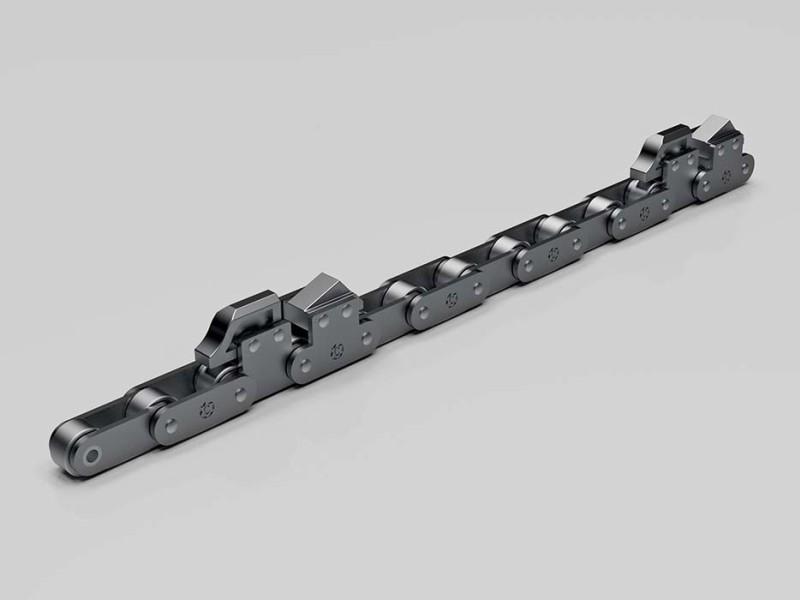
Slipping is a common issue that can affect the overall efficiency of your conveyor system. Identifying the signs of a slipping chain early can help prevent further damage and reduce system downtime.
Signs:
-
Unusual noises: One of the most noticeable signs of a slipping chain is the presence of unusual noises, such as squeaking or grinding. These sounds are caused by the chain not engaging properly with the sprockets.
-
Uneven movement of the chain: When a conveyor chain starts slipping, it may not move consistently. The chain could either jerk or slow down intermittently.
-
Increased wear on the chain: Slipping chains often lead to accelerated wear on the links and other components, which can cause further operational problems.
Solution:
-
Perform a visual inspection: Look for any signs of misalignment or excessive slack in the chain. These could be contributing to the slipping problem. Regular checks can help identify the issue early.
Common Causes of Slipping Conveyor Chains
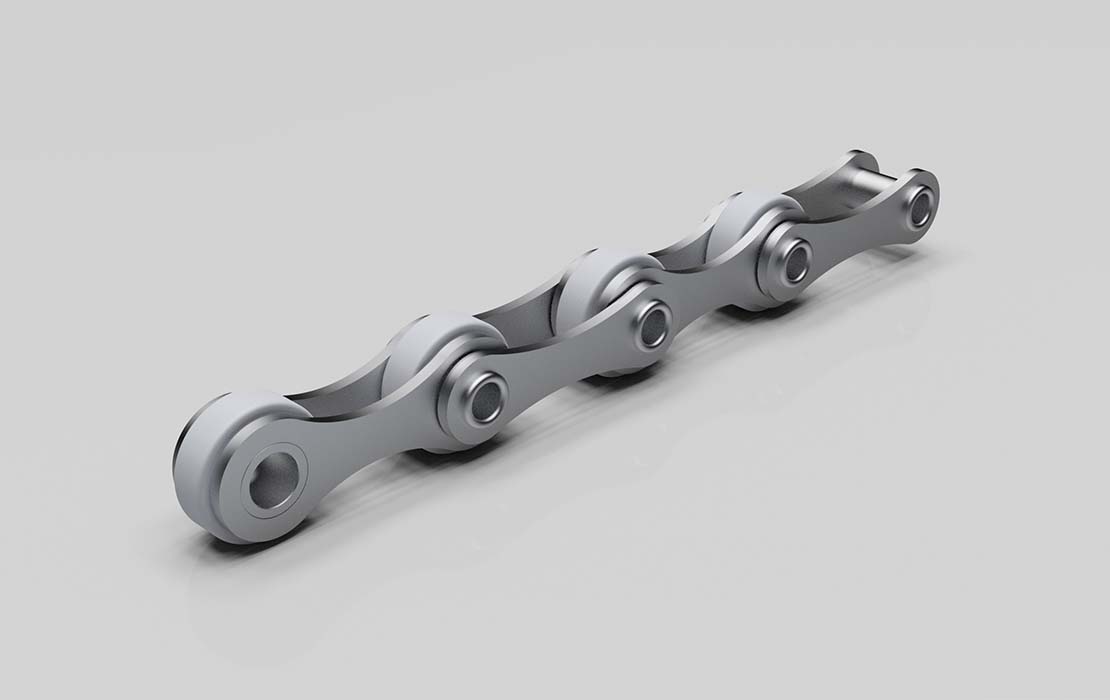
Understanding the underlying causes of a slipping chain is essential for implementing the right solutions. Several factors could lead to this issue, and addressing the root cause will help prevent recurrence.
Common causes:
-
Incorrect chain tension: If the chain is too loose or too tight, it can slip and fail to engage with the sprockets properly.
-
Worn sprockets or chain links: Over time, the sprockets or chain links can wear out, which reduces the chain's ability to stay engaged and results in slippage.
-
Lack of lubrication: Inadequate lubrication can cause friction between the chain and the sprockets, leading to slippage.
-
Misalignment: Misalignment of the chain or sprockets can cause uneven engagement, leading to slippage during operation.
Solution:
-
Check and adjust the chain tension: Ensure that the chain is neither too loose nor too tight. Regularly check the tension and make adjustments as needed to keep the system operating smoothly.
-
Replace worn parts: If sprockets or chain links are worn, replace them promptly to avoid further issues.
-
Lubricate the chain properly: Ensure that the chain is adequately lubricated to reduce friction and improve engagement with the sprockets.
How to Fix a Slipping Conveyor Chain
Once you've identified that the conveyor chain is slipping, it’s essential to take action immediately to fix the problem and prevent further disruption.
Steps to fix:
-
Stop the conveyor system: Before making any adjustments, ensure the system is powered off to prevent further damage and ensure safety.
-
Check and adjust chain tension: Inspect the tension of the chain. If it’s too loose, tighten it. If it’s too tight, loosen it to the manufacturer’s recommended tension.
-
Inspect and replace worn sprockets or chain links: Examine the sprockets and chain links for any signs of damage or wear. Replace any worn or damaged parts to restore proper function.
-
Lubricate the chain: Apply the appropriate lubricant to reduce friction and ensure the chain operates smoothly without slipping.
-
Align the chain and sprockets: Make sure the chain and sprockets are properly aligned to ensure smooth engagement. Misalignment can be a major cause of slippage.
-
Test the system: After making the necessary adjustments, run the system at a slow speed to ensure the issue has been resolved and the chain is no longer slipping.
Solution:
-
Perform regular maintenance: To prevent slipping happening again, make sure to implement a regular maintenance schedule, including checking tension, lubrication, and alignment.
Preventing Slipping Conveyor Chains
Preventing a slipping conveyor chain is better than dealing with the problem after it arises. By taking proactive steps and maintaining the system, you can avoid future slippage and ensure smooth operation.
Preventive measures:
-
Regular inspections: Check the conveyor system regularly for signs of wear, misalignment, and tension issues. Early detection is key to preventing slipping.
-
Proper lubrication: Keep the chain lubricated regularly to minimize friction and reduce the likelihood of slippage.
-
Maintain correct tension: Regularly check and adjust the chain tension to keep it within the recommended range.
-
Replace worn components: Replace worn sprockets, chain links, and other parts as needed to keep the system running smoothly.
Conclusion
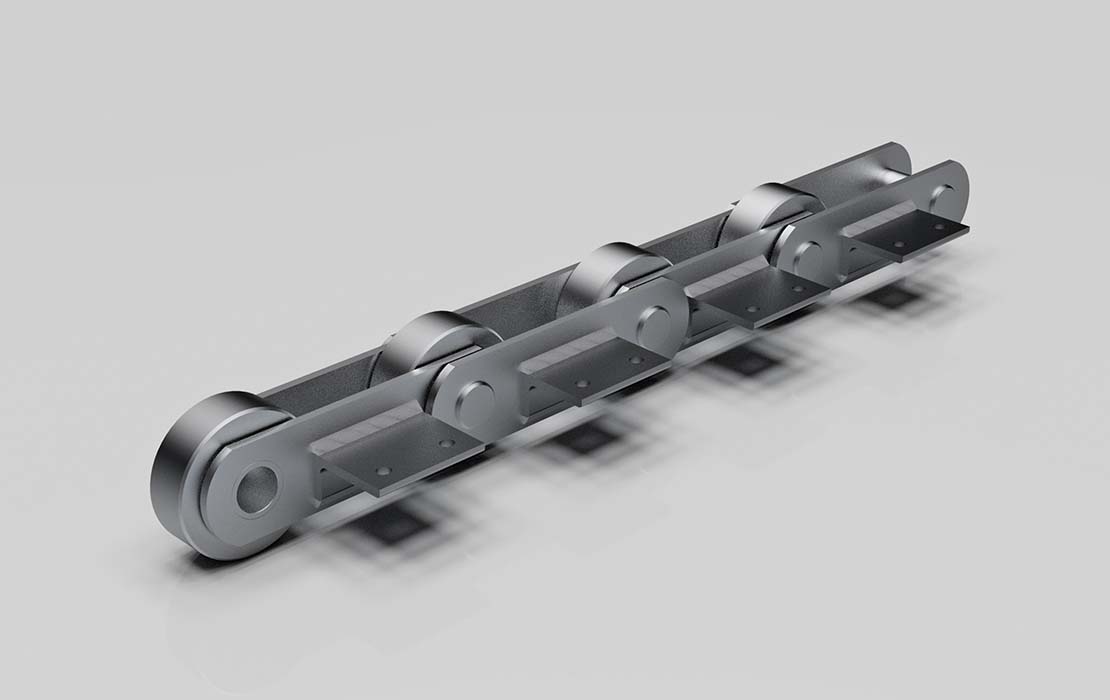
Slipping conveyor chains are a common issue that can cause inefficiency, wear, and potential system failure. Recognizing the signs of slippage early, addressing the root causes, and taking preventive measures will ensure that your system runs smoothly and efficiently. Regular inspection, lubrication, and maintenance are essential to prevent slipping and extend the lifespan of your conveyor chain.
If you need more advice on checking and maintaining industrial conveyor chains, feel free to contact us for detailed support!
AAdministratorsQTV
Welcome. Feel free to leave a comment, we will respond soon