

Stainless Steel Conveyor Chains and Corrosion Resistance Requirements in the Food and Pharmaceutical Industries

Article content
Why Corrosion Resistance Is Crucial
1. Exposure to Harsh Conditions
-
In both food and pharmaceutical manufacturing, equipment is frequently exposed to water, cleaning agents, oils, and sanitizers. Without proper corrosion resistance, conveyor chains can rust, leading to product contamination and equipment breakdown.
-
Stainless steel, particularly grades like 304 and 316, provides exceptional resistance to these elements, making it ideal for environments where cleanliness and safety are top priorities.
2. Risk of Contamination
-
Corrosion can cause metal particles or rust flakes to detach the chain and contaminate products, violating safety regulations and leading to costly recalls.
-
Stainless steel chains are non-reactive and inert, helping to preserve product purity and maintain regulatory compliance with organizations such as the FDA and GMP.
Applications of Stainless Steel Chains in Food and Pharma
1. Food Industry
-
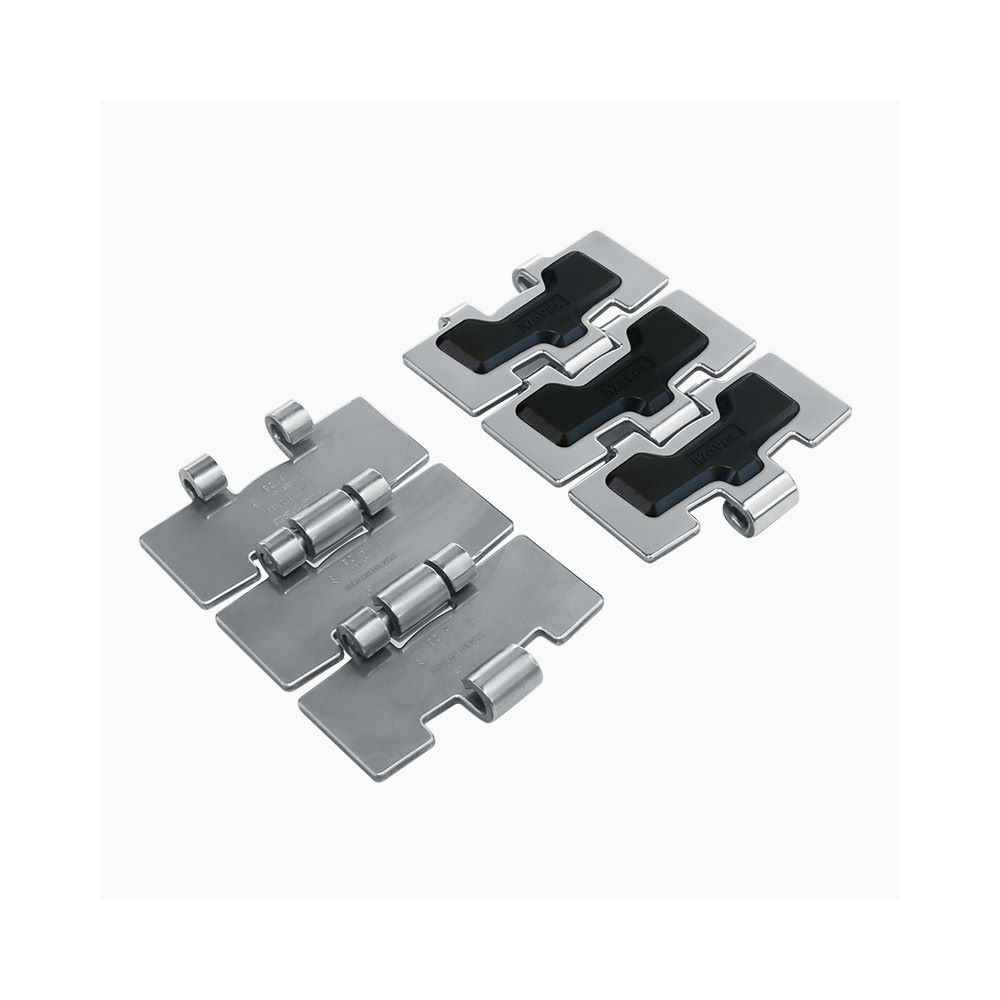
In food production lines, stainless steel chains are used to transport ingredients and finished products in operations like baking, cooling, washing, and packaging.
-
They are especially beneficial in environments that handle wet or acidic foods such as dairy, beverages, seafood, or meat processing where corrosion could otherwise be a serious threat.
2. Pharmaceutical Industry
-
In pharmaceutical plants, stainless steel chains ensure sterile handling of capsules, tablets, and raw materials. The ability to withstand sterilization processes (e.g., steam cleaning, high-pressure washing) is critical.
-
Corrosion-resistant chains help maintain cleanroom conditions, meet strict sanitation protocols, and eliminate any risk of cross-contamination during transport.
Standards and Material Selection
1. FDA and GMP Compliance
-
Stainless steel conveyor chains must comply with FDA food-contact regulations and GMP guidelines, ensuring they are non-toxic, easy to sanitize, and capable of withstanding chemical cleaning agents.
-
Only stainless steel materials that can endure daily washdowns and chemical exposure without degrading should be used.
2. Common Stainless Steel Grades
| Grade | Features |
|---|---|
| 304 SS | General-purpose stainless steel, good corrosion resistance, widely used in food processing. |
| 316 SS | Superior resistance to chlorides and acids, ideal for seafood, brine, or acidic environments. |
| 316L SS | Low carbon content, excellent for welding and pharmaceutical applications where hygiene is critical. |
Conclusion
Stainless steel conveyor chains offer superior corrosion resistance, making them the preferred solution in the food and pharmaceutical industries. Their ability to withstand aggressive cleaning agents, high humidity, and chemical exposure ensures compliance, safety, and long-term efficiency.
When designing or upgrading your production system, investing in corrosion-resistant stainless steel chains is not just a smart decision—it’s a necessity for product integrity and regulatory approval.
Looking for the right stainless steel chain for your production line? Contact our team for custom solutions and free expert consultation.
AAdministratorsQTV
Welcome. Feel free to leave a comment, we will respond soon