

5 Industries That Require Heat-Resistant Conveyor Chains to Optimize Production
Article content
Cement Industry
1. Production Environment Characteristics
-
Cement production involves clinker processing at temperatures between 1,400°C and 1,500°C.
-
After leaving the kiln, the clinker needs to be transported efficiently to coolers and grinders.
2. Application of Heat-Resistant Conveyor Chains
-
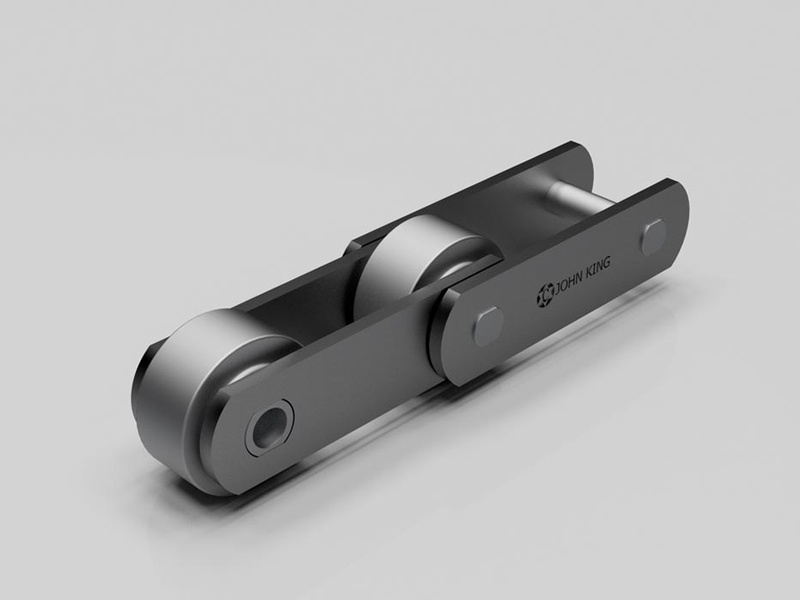
Heat-resistant chains are used to convey hot clinker and raw materials in high-temperature and dusty environments.
-
They ensure continuous operation, prevent system failures due to heat, and extend the overall equipment lifespan.
.jpg)
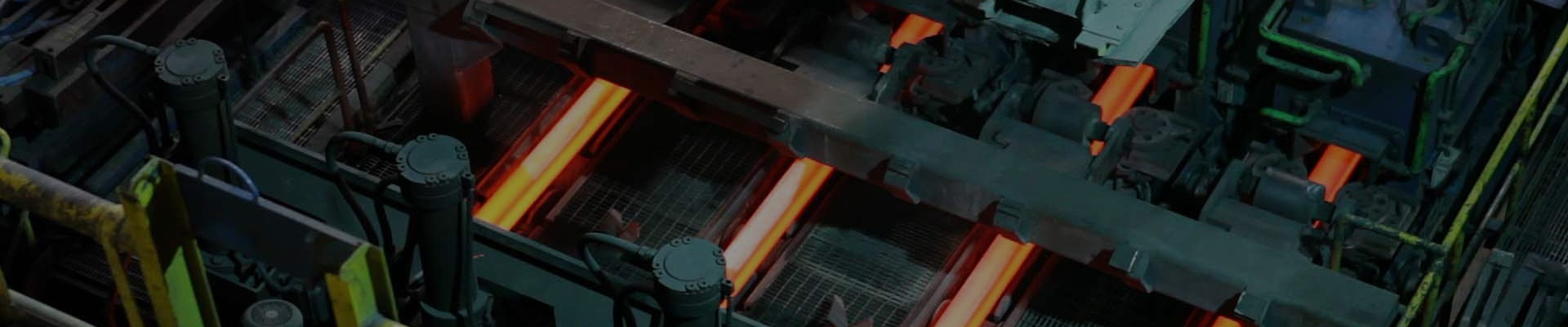
Metallurgy and Steel Manufacturing
1. Production Environment Characteristics
-
Processes such as metal casting and hot rolling steel billets involve temperatures exceeding 1,200°C.
-
These operations require heavy-duty transport systems that can withstand thermal stress and abrasion.
2. Application of Heat-Resistant Conveyor Chains
-
Heat-resistant conveyor chains are used to transport hot billets, forgings, and semi-finished products through various production stages.
-
They help improve workplace safety and reduce maintenance costs by maintaining reliable performance under extreme conditions.
Ceramics and Glass Industry
1. Production Environment Characteristics
-
Ceramics and glass production involves kilns operating at 800°C to 1,400°C.
-
Products must be transported carefully during the firing and cooling processes to prevent cracking or deformation.
2. Application of Heat-Resistant Conveyor Chains
-
Conveyor chains move ceramic and glass products through kilns, drying chambers, and cooling zones.
-
They ensure smooth and precise transportation, minimizing product defects and improving final product quality.
Thermal Power Industry
1. Production Environment Characteristics
-
Thermal power plants involve the combustion of coal or biomass, generating hot ash and slag that must be transported combustion chambers to disposal or recycling areas.
-
These environments are high-temperature, abrasive, and corrosive.
2. Application of Heat-Resistant Conveyor Chains
-
Conveyor chains transport hot ash and slag, ensuring safe and efficient removal boilers and combustion chambers.
-
They help reduce the risk of blockages and downtime, keeping power generation consistent.
Food and Pharmaceutical Industry
1. Production Environment Characteristics
-
Processes such as sterilization, drying, and cooking require conveyor systems capable of handling temperatures ranging 100°C to 300°C.
-
These industries also demand hygienic and corrosion-resistant systems to ensure product safety.
2. Application of Heat-Resistant Conveyor Chains
-
Heat-resistant stainless steel conveyor chains are used in sterilization chambers, drying tunnels, and heat-treatment processes.
-
They ensure product integrity, maintain hygiene standards, and withstand high temperatures without degrading.
Benefits of Using Heat-Resistant Conveyor Chains in These Industries
| Benefit | Description |
|---|---|
| Increased Equipment Lifespan | Chains withstand heat and wear, reducing the need for frequent replacements. |
| Reduced Maintenance Costs | Less frequent breakdowns and repairs lower long-term operational costs. |
| Enhanced Workplace Safety | Reduces the risk of accidents caused by chain failure in high-temperature environments. |
| Improved Production Efficiency | Continuous operation ensures optimal throughput and consistent product quality. |
Conclusion
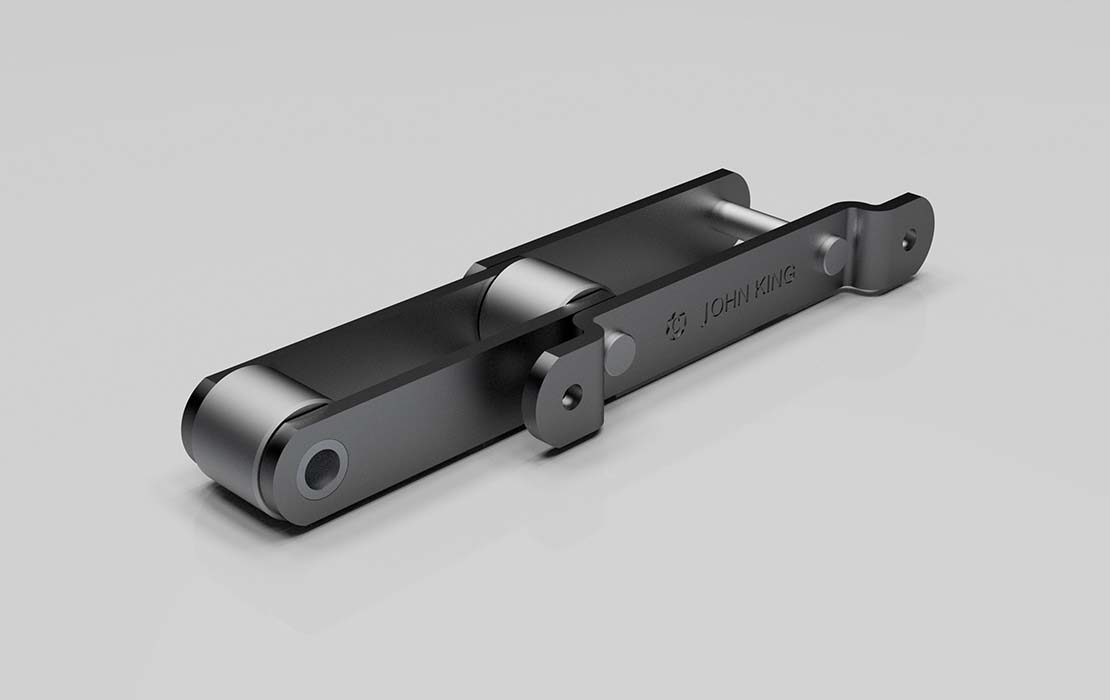
In cement, metallurgy, ceramics, thermal power, and food/pharmaceutical industries, heat-resistant conveyor chains are not optional—they’re essential. Choosing the right chain not only improves production efficiency but also ensures safety and reduces operational costs.
If you are seeking reliable heat-resistant conveyor chain solutions tailored to your industry’s specific needs, contact us today for expert consultation and competitive pricing!
AAdministratorsQTV
Welcome. Feel free to leave a comment, we will respond soon