
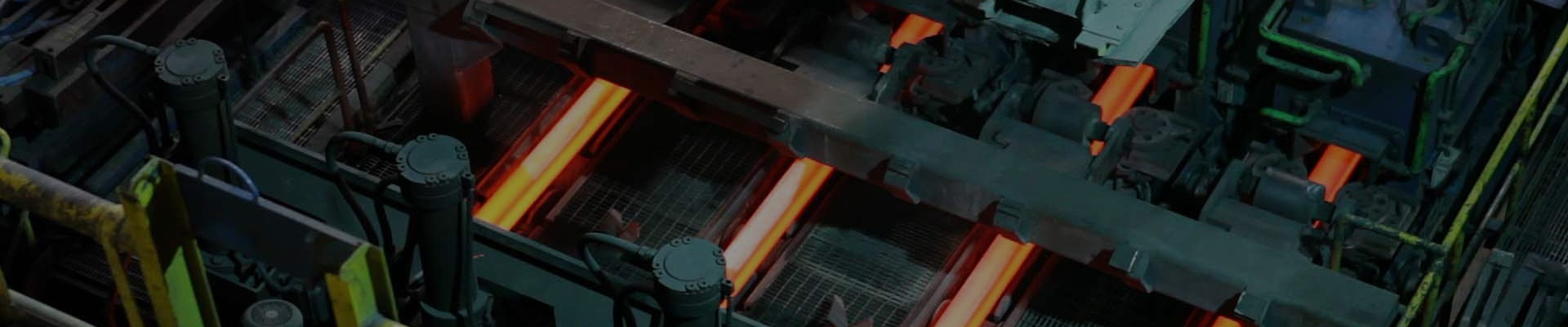

Application of Conveyor Chains in Cement Production
Article content
The Role of Conveyor Chains in Cement Production
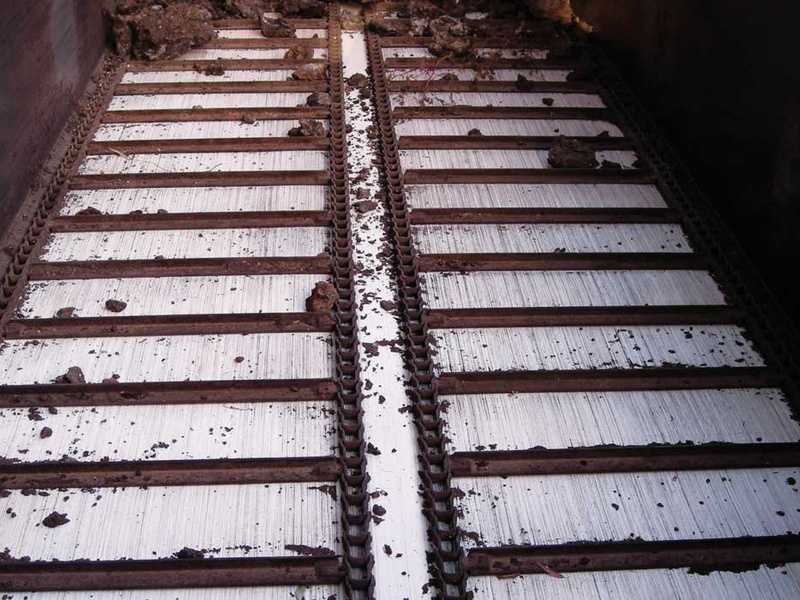
In the cement production process, key materials such as limestone, gypsum, and clinker need to be transported through various stages, mining areas to grinding machines, kilns, and ultimately packaging areas. Conveyor chains ensure the safe and efficient movement of these materials without disrupting the flow of production.
Benefits of using conveyor chains in cement production:
- High load capacity: Conveyor chains can handle heavy materials without deforming or breaking.
- High wear resistance: In an environment with significant dust and friction, conveyor chains maintain durability, reducing maintenance and replacement costs.
- Continuous operation: Conveyor chains provide stable operation, ensuring the production process continues smoothly without interruptions.
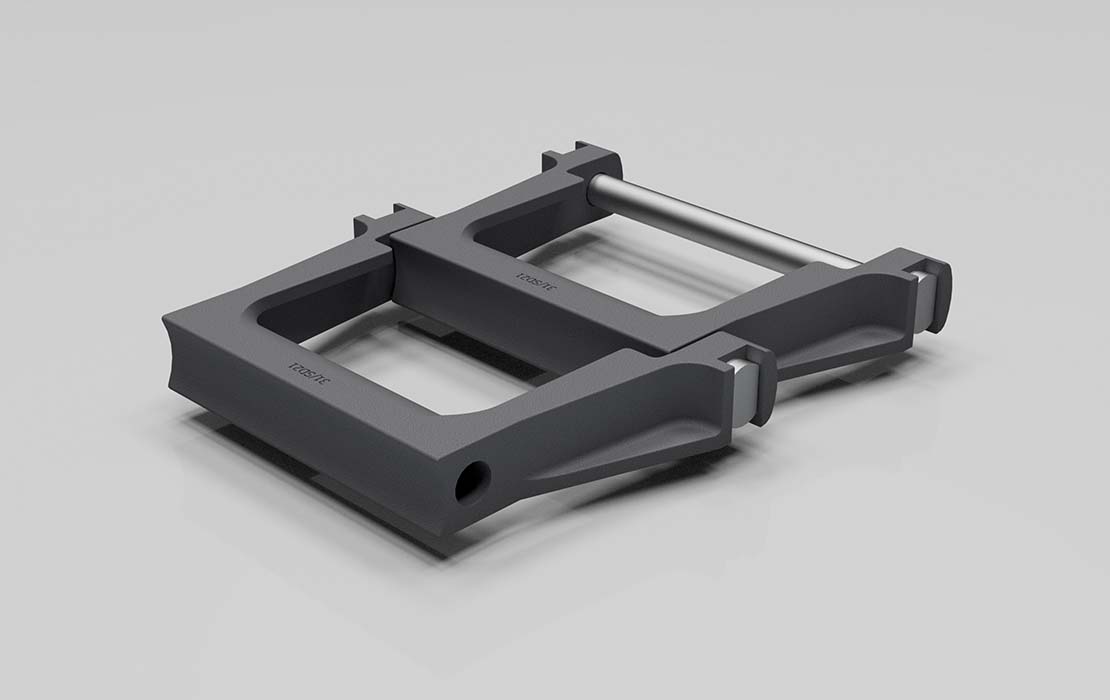
Application of Conveyor Chains in Various Cement Production Stages
1. Transporting Raw Materials
- Limestone and gypsum are essential raw materials in cement production. Conveyor chains are used to move them the mining site to the processing plant, where they are crushed and mixed.
- Roller chains or flat-top chains are commonly used to handle these materials, ensuring the efficient movement of large quantities of raw materials.
2. Transporting Clinker
- After grinding and mixing, the materials are fed a kiln to produce clinker. Conveyor chains move the hot clinker the kiln to the cooling area and further to the grinding machines.
- Heat-resistant conveyor chains are used in this stage to withstand the high temperatures within the kiln, ensuring stable performance under extreme conditions.
3. Transporting and Packaging Cement
- Once the clinker is cooled and ground fine powder, the cement is transported to the packaging area. Conveyor chains help move cement grinding machines to packaging and storage areas.
- Stainless steel conveyor chains or corrosion-resistant chains are used in this stage to maintain cleanliness and prevent wear due to fine cement dust.
Benefits of Using Conveyor Chains in Cement Production
1. Reducing Maintenance Costs
- Conveyor chains are durable and require less maintenance than other transport systems such as belt conveyors. They also offer easy repair and part replacement, reducing downtime and saving costs.
2. Ensuring Continuous Production
- Conveyor chains help maintain continuous material transport, minimizing disruptions and optimizing the production process for efficiency.
3. Flexibility and Adaptability
- Conveyor chains can be designed flexibly to transport different materials, raw ingredients to final cement products, ensuring smooth operation across various stages of production.
Conclusion
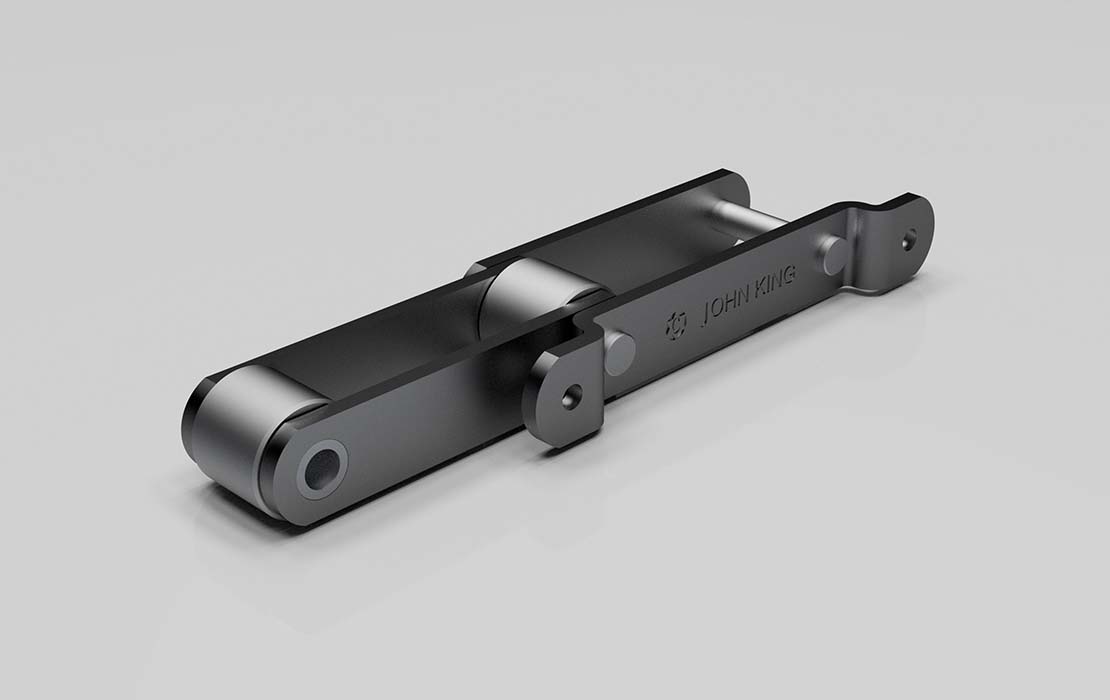
Industrial conveyor chains play a crucial role in cement production by efficiently transporting raw materials, clinker, and finished cement products. With their high load capacity, heat and wear resistance, conveyor chains provide an optimal solution for cement plants, ensuring continuous operation, improving productivity, and reducing maintenance costs.
If you are looking for industrial conveyor chain solutions for your cement production plant, contact us today for expert advice and customized solutions.
AAdministratorsQTV
Welcome. Feel free to leave a comment, we will respond soon