

Basic Comparison Between Carbon Steel Conveyor Chains and Stainless Steel Conveyor Chains
Article content
What is Carbon Steel Conveyor Chain?
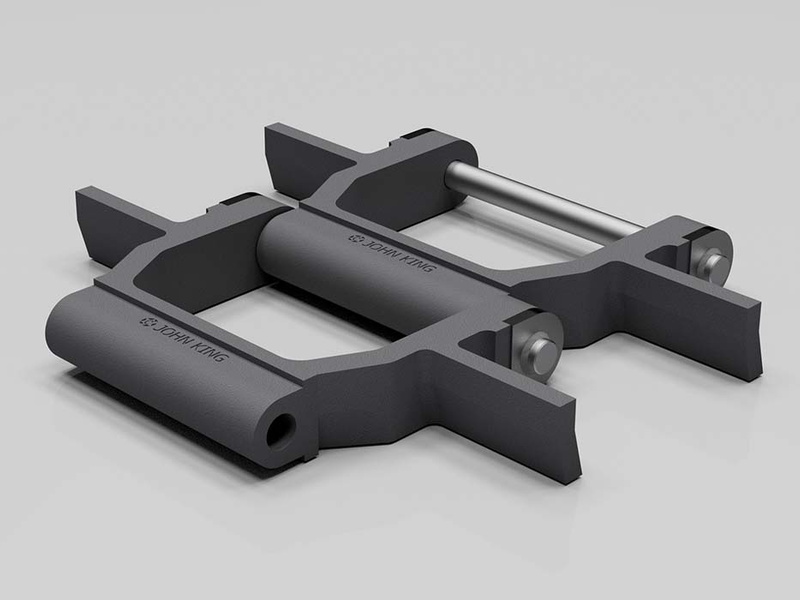
A carbon steel conveyor chain is made carbon steel, which has a higher carbon content, allowing it to be hardened and milled to increase strength and abrasion resistance. It is commonly used in systems requiring heavy-duty load-bearing capabilities and high durability. Carbon steel chains are heat-treated for increased hardness, providing a robust option for high-load transportation systems.
Advantages of carbon steel conveyor chains include:
-
High load-bearing capacity: Carbon steel chains are designed to carry heavy loads like stone, ore, and cement without damage.
-
Lower cost: Compared to stainless steel, carbon steel is typically more affordable, making it an ideal choice for industries looking for budget-friendly solutions.
-
Ease of maintenance: Carbon steel chains are easier to maintain, repair, and replace compared to other chain types.
.jpg)
What is Stainless Steel Conveyor Chain?
A stainless steel conveyor chain is made stainless steel, a material known for its resistance to corrosion and high durability in harsh environments. Stainless steel chains are particularly useful in industries where hygiene and resistance to chemicals are critical, such as in food processing and pharmaceutical manufacturing.
Advantages of stainless steel conveyor chains include:
-
Corrosion resistance: Stainless steel is highly resistant to rust and corrosion, making it ideal for wet environments, or areas exposed to chemicals.
-
Long lifespan: Stainless steel chains have a long lifespan, especially in harsh conditions.
-
Hygienic: They are easy to clean and maintain, meeting strict sanitation standards required in industries such as food processing and pharmaceuticals.
Basic Comparison Between Carbon Steel and Stainless Steel Conveyor Chains
| Criteria | Carbon Steel Conveyor Chains | Stainless Steel Conveyor Chains |
|---|---|---|
| Corrosion Resistance | Poor resistance to corrosion, suitable for dry environments without chemicals. | Excellent corrosion resistance, ideal for wet or chemical-laden environments. |
| Load Capacity | High load-bearing capacity, suitable for heavy-duty applications. | Generally lower load capacity compared to carbon steel, but still suitable for light and medium-duty applications. |
| Cost | Lower cost, making it a cost-effective solution for many industries. | Higher cost but offers longer service life and better performance in harsh environments. |
| Lifespan | Longer lifespan in dry, non-corrosive environments. | Longer lifespan in wet, corrosive, or high-temperature environments. |
| Maintenance | Easier to maintain and repair, with lower maintenance costs. | Requires less maintenance, but higher upfront cost for replacement parts. |
| Applications | Ideal for mining, cement production, and construction materials. | Ideal for food processing, pharmaceuticals, and chemical industries. |
.jpg)
Conclusion
Both carbon steel conveyor chains and stainless steel conveyor chains offer distinct advantages and are suited to different industrial applications. Carbon steel conveyor chains are ideal for heavy-duty applications in dry environments, with a lower initial cost and good load-bearing capabilities. On the other hand, stainless steel conveyor chains excel in corrosive environments and industries that require high hygiene standards, but come at a higher initial cost.
If you need more information on choosing the right type of conveyor chain for your industry, feel free to contact us for expert advice and the best pricing!
AAdministratorsQTV
Welcome. Feel free to leave a comment, we will respond soon