

Checking the Durability of Industrial Conveyor Chains: Techniques You Need to Know
Article content
Checking the Chain Tension
Chain tension is one of the most critical factors in the durability of an industrial conveyor chain. If the chain is too tight or too loose, it can cause excessive wear, stretching, or even breakage, which will impact the overall performance of the system.
Techniques to check chain tension:
-
Use a tension gauge: A tension gauge is a tool used to measure the chain’s tension accurately. It helps ensure the chain is at the proper tension to operate efficiently.
-
Manual checks: If you don’t have a tension gauge, you can check the chain by applying pressure with your hand. It should be taut but not overly tight.
-
Adjust the tension regularly: Make sure to check the chain’s tension periodically and adjust it as necessary to avoid strain on the system.
Inspecting Chain Links for Wear
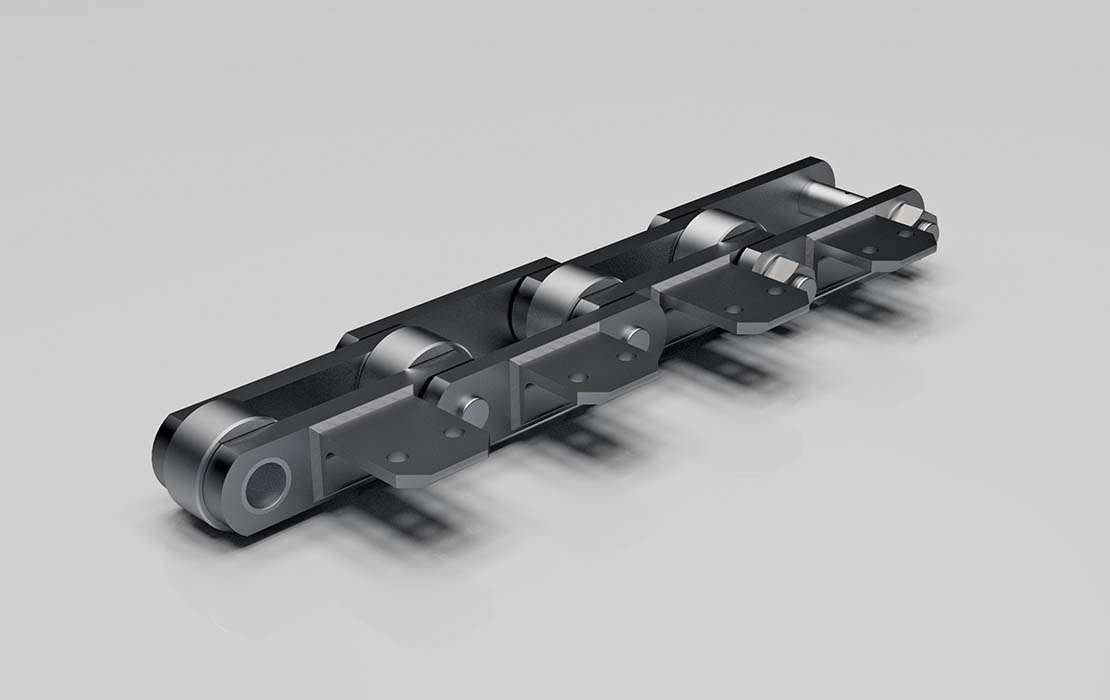
Chain links are subject to constant friction and pressure, which leads to wear over time. Checking the condition of the links is essential to ensure the chain’s durability and prevent failure during operation.
Techniques to check chain links:
-
Visual inspection: Regularly inspect the chain links for signs of wear, cracks, or missing components. Even small cracks can lead to significant failures if not addressed.
-
Use a thickness gauge: A thickness gauge can be used to check the wear on the links. If the links are worn beyond a certain point, it’s time to replace them.
-
Test the flexibility: A chain with excessively worn links will not move as smoothly. Test the flexibility of the chain by manually moving it to ensure that it runs smoothly without any jerks.
Inspecting Rollers for Smooth Operation
The rollers in the conveyor chain are crucial for reducing friction and facilitating smooth movement. If the rollers are damaged or worn, they can significantly reduce the durability of the chain and lead to inefficiency.
Techniques to check the rollers:
-
Check for smooth rotation: Ensure that the rollers move freely without any resistance. Sticking rollers can cause increased friction and lead to chain wear.
-
Inspect for damage: Look for any signs of physical damage to the rollers, such as cracks, chips, or bending. Damaged rollers should be replaced immediately.
-
Lubrication check: Proper lubrication of the rollers is essential. Make sure they are lubricated correctly to minimize wear and friction.
Monitoring the Environmental Conditions
The environment in which the conveyor system operates plays a significant role in determining the durability of the chain. Exposure to extreme temperatures, high humidity, dust, and corrosive chemicals can accelerate wear and reduce the lifespan of the chain.
Techniques to monitor environmental impact:
-
Temperature control: Monitor the temperature in the environment to ensure it is within the recommended range for the chain’s operation. Excessive heat can cause the chain to expand, while extreme cold can make it brittle.
-
Humidity and chemical exposure: Ensure the chain is protected excessive humidity or contact with corrosive substances. If exposure to these elements is unavoidable, consider using corrosion-resistant chains or coatings.
-
Dust and dirt management: In environments with heavy dust or debris, ensure that the conveyor system is cleaned regularly to prevent dirt accumulating and causing wear.
Performing Regular Maintenance and Inspection
To ensure the longevity and durability of industrial conveyor chains, it’s important to follow a consistent maintenance and inspection schedule. Routine maintenance helps detect any potential issues early and prevents costly repairs.
Key maintenance practices:
-
Inspect regularly: Perform routine inspections of the conveyor system, including the chain, sprockets, and other components. Make sure to check the chain links, rollers, and sprockets for signs of wear or damage.
-
Lubricate the chain: Regular lubrication is vital for reducing friction and wear. Apply lubrication as recommended by the manufacturer and ensure that all moving parts are adequately coated.
-
Replace worn parts: Replace damaged or worn-out parts, such as links or rollers, before they cause system failures.
.png.jpg)
Conclusion
Regularly checking the durability of industrial conveyor chains is crucial for ensuring the system’s performance and preventing unexpected breakdowns. By following the techniques outlined above—such as checking chain tension, inspecting links and rollers, and monitoring environmental conditions—you can ensure that your conveyor chain remains in optimal condition for longer. Routine maintenance and timely replacement of worn components will help extend the lifespan of your conveyor system and improve overall operational efficiency.
AAdministratorsQTV
Welcome. Feel free to leave a comment, we will respond soon