

Comparing Conveyor Chains with Belt Conveyors in the Cement and Construction Materials Industry
Article content
Comparing Conveyor Chains and Belt Conveyors
1. Load Capacity
-
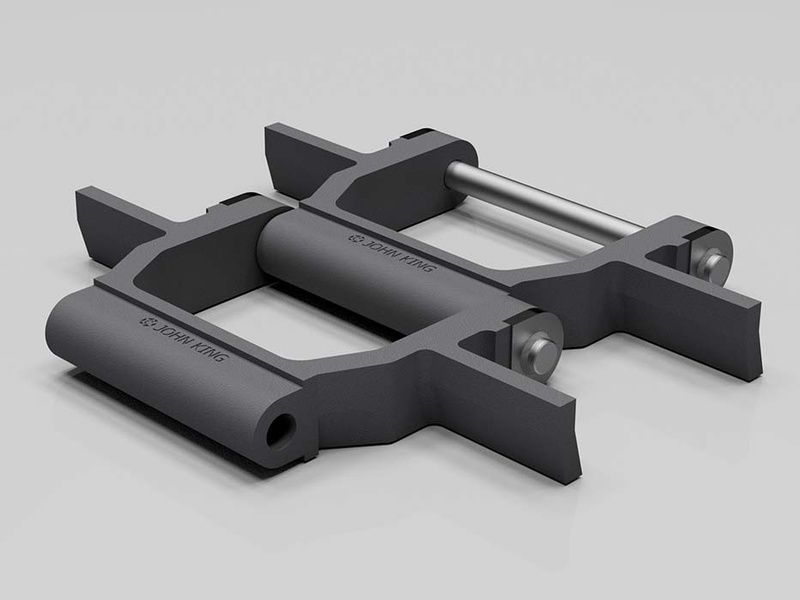
Conveyor Chains: Conveyor chains are ideal for high load capacities, especially when transporting heavy and abrasive materials such as clinker, cement, and limestone. Conveyor chains are often used in applications that require the movement of large and heavy materials without damaging the system.
-
Belt Conveyors: Belt conveyors are better suited for lighter materials and can operate at higher speeds. However, belt conveyors may struggle with heavy loads and can easily break or deform under excessive weight.
2. Wear Resistance
-
Conveyor Chains: With excellent wear resistance, conveyor chains are the ideal choice for transporting abrasive materials such as sand, stone, cement, and clinker. Conveyor chains are designed to operate in environments with dust and abrasives without wearing out quickly.
-
Belt Conveyors: Belt conveyors generally do not have the same level of wear resistance as conveyor chains. Although some types of belts come with protective coatings or wear-resistant surfaces, they are more susceptible to damage when transporting hard materials, which can reduce their lifespan if not properly maintained.
3. Heat Resistance
-
Conveyor Chains: Conveyor chains, especially heat-resistant conveyor chains, are designed to withstand high temperatures, such as those encountered in the clinker kiln during cement production. These chains can handle temperatures up to 500°C or more without warping or losing performance.
-
Belt Conveyors: While some types of belt conveyors are heat-resistant, they generally cannot withstand the same high temperatures as conveyor chains. They often have lower heat tolerance, which makes them unsuitable for transporting clinker or other high-temperature materials.
4. Maintenance Ease
-
Conveyor Chains: Conveyor chains are easier to maintain and replace individual components (such as links or rollers) compared to belt conveyors. While regular maintenance is necessary to ensure smooth operation, repairing or replacing damaged components is a relatively simple task.
-
Belt Conveyors: Belt conveyors can be more expensive to maintain, especially when the entire belt needs to be replaced due to wear and tear or damage. However, when properly maintained, belt conveyors can operate for extended periods without major issues.
5. Operational Costs
-
Conveyor Chains: Although the initial investment for conveyor chains may be higher, their long lifespan and low maintenance costs help reduce overall operational expenses in the long term. Conveyor chains are generally more cost-effective for transporting heavy and abrasive materials.
-
Belt Conveyors: Belt conveyors typically have a lower initial cost and can operate at higher speeds, making them suitable for lighter material handling. However, maintenance costs and belt replacement costs can add up over time, especially when the belt is exposed to abrasive or high-temperature environments.
.jpg)
Applications of Conveyor Chains and Belt Conveyors in the Cement and Construction Materials Industry
1. Conveyor Chains
-
Conveyor chains are used in applications where materials are heavy, abrasive, or exposed to high temperatures. In cement production, conveyor chains are ideal for transporting clinker, cement, and limestone. These chains are also suitable for high-load and high-temperature environments, ensuring stable and efficient transportation.
-
Conveyor chains are the preferred choice in production lines requiring heavy load capacity, heat resistance, and wear resistance.
2. Belt Conveyors
-
Belt conveyors are commonly used for transporting lighter materials at higher speeds. They are suitable for moving products such as finished cement bags, bricks, or concrete slabs one point to another, especially when material handling needs to be fast and continuous.
-
Belt conveyors are ideal for transporting uniformly sized products and light to medium loads that do not generate excessive wear or require heat resistance.
.jpg)
Conclusion
Both conveyor chains and belt conveyors play crucial roles in the cement and construction materials industries, but each system has its unique strengths and applications. Conveyor chains are the best option for transporting heavy, abrasive, and high-temperature materials, while belt conveyors are more suitable for lighter materials and high-speed operations.
When choosing between conveyor chains and belt conveyors, businesses need to consider factors like load capacity, temperature tolerance, wear resistance, and maintenance costs to determine the best transportation system for their needs.
AAdministratorsQTV
Welcome. Feel free to leave a comment, we will respond soon