

Comparison Between High-Wear-Resistant Conveyor Chains and Traditional Conveyor Belts in Mining Operations
Article content
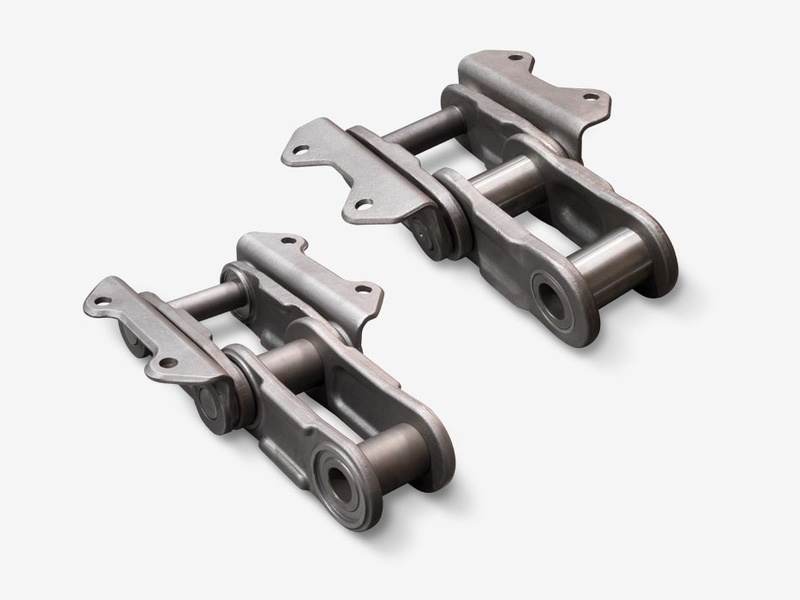
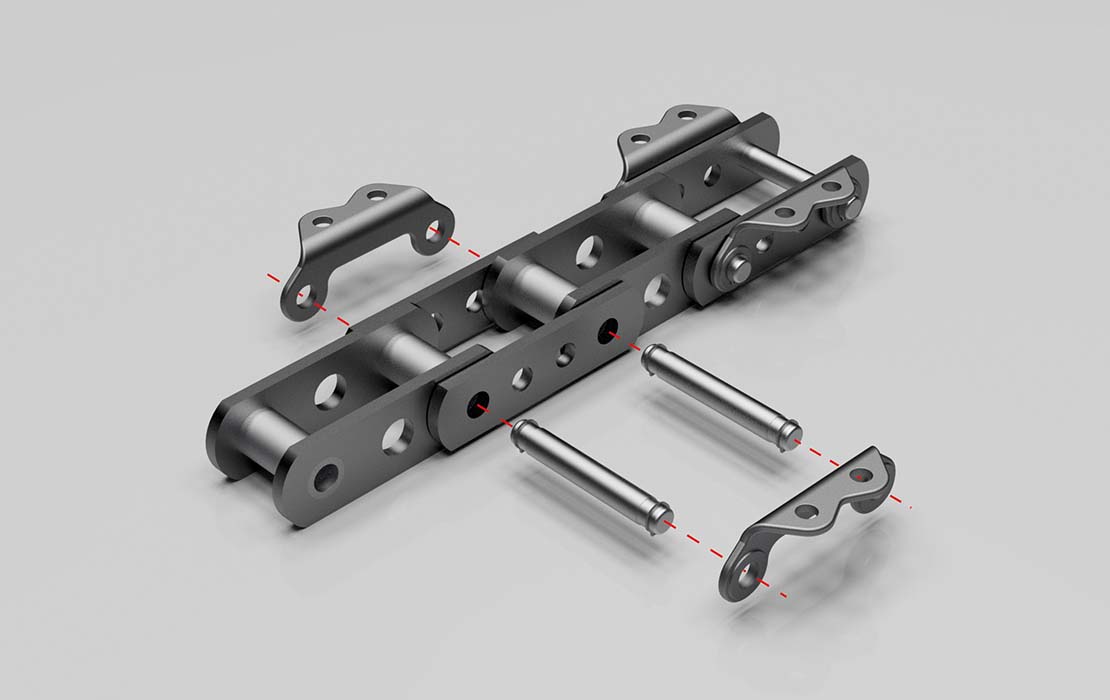
Overview of High-Wear-Resistant Conveyor Chains
1. Key Features
-
Durability: Made high-strength steel alloys and designed to resist wear and tear in harsh environments, especially where heavy, abrasive materials are involved.
-
Load-Bearing Capacity: Capable of handling large loads and impact forces, ideal for heavy-duty applications in mining.
-
Long Lifespan: Designed to last longer in demanding conditions, reducing the frequency of replacements and repairs.
2. Common Applications
-
Transporting raw materials, including ores, rocks, and coal, mining sites to processing areas.
-
Moving materials through crushing plants, screening systems, and storage silos in environments where conventional conveyors may not perform well.
.jpg)
Overview of Traditional Conveyor Belts
1. Key Features
-
Flexibility: Conveyor belts are more flexible than chains and can be configured to handle different material types and transport routes.
-
Lower Initial Cost: Traditional belts are typically cheaper to install initially and are easier to maintain for less abrasive material handling.
-
Material Variety: Conveyor belts can be made of different materials, such as rubber, PVC, or steel, depending on the application.
2. Common Applications
-
Suitable for light-duty material handling, such as transporting grain, wood chips, cement, and other bulk materials in environments with minimal wear and tear.
-
Common in processing plants where materials are not exposed to extreme abrasion or heavy impacts.
Comparing High-Wear-Resistant Conveyor Chains and Traditional Conveyor Belts
| Criteria | High-Wear-Resistant Conveyor Chains | Traditional Conveyor Belts |
|---|---|---|
| Wear Resistance | Exceptional wear resistance; ideal for abrasive materials like ore, stone, and coal. | Moderate wear resistance; can wear out faster in abrasive conditions. |
| Load Capacity | Higher load-bearing capacity, designed to handle heavy and bulky materials. | Limited load capacity; suitable for lighter materials. |
| Durability | Long-lasting in extreme environments, reducing the frequency of maintenance. | Shorter lifespan in harsh conditions; needs frequent replacements. |
| Cost | Higher initial investment but more cost-effective over time due to fewer repairs. | Lower initial cost, but higher maintenance costs over time. |
| Flexibility | Less flexible, suitable for fixed paths and heavy-duty transport. | Highly flexible, suitable for various configurations and light-duty transport. |
| Maintenance | Requires regular maintenance, but generally less frequent due to superior durability. | Requires more frequent maintenance and repairs, especially in harsh conditions. |
| Efficiency | Highly efficient in heavy-duty applications with minimal downtime. | Suitable for light-duty tasks, but less efficient for heavy loads or harsh environments. |
Best Use Cases for High-Wear-Resistant Conveyor Chains
-
Heavy Duty Mining Operations: High-wear-resistant conveyor chains are ideal for transporting mining materials like ore, coal, and quarry stone, which cause rapid wear on equipment.
-
Harsh Environments: These chains excel in abrasive environments, including dusty and high-heat conditions, ensuring continuous operations.
-
High-Impact Material Handling: Conveyor chains are better suited for handling impact forces when transporting large, rough materials like rocks or scrap metal.
Best Use Cases for Traditional Conveyor Belts
-
Light Duty Material Transport: Conveyor belts work best for lightweight materials such as food products, plastic pellets, and small aggregates.
-
Short-Distance and Non-Abbrasive Environments: Ideal for transport within short distances where the materials do not pose significant abrasion risks.
-
Lower-Cost Projects: For businesses operating on a tight budget, traditional conveyor belts provide an affordable material handling solution for less demanding applications.
Conclusion
Both high-wear-resistant conveyor chains and traditional conveyor belts have their place in mining and material handling operations. The choice between the two depends largely on the environmental conditions, the type of materials being transported, and the long-term operational goals of the business.
If you are dealing with abrasive materials, heavy loads, and harsh working conditions, high-wear-resistant conveyor chains are the better choice due to their superior durability and extended service life. However, for light-duty tasks and budget-conscious operations, traditional conveyor belts may provide an effective and cost-efficient solution.
Contact us today for expert advice on selecting the right conveyor system for your mining operation, and get the best pricing in 2024!
AAdministratorsQTV
Welcome. Feel free to leave a comment, we will respond soon