

Conveyor Chain Maintenance: Common Issues and How to Fix Them
Article content
Excessive Chain Tension or Slack
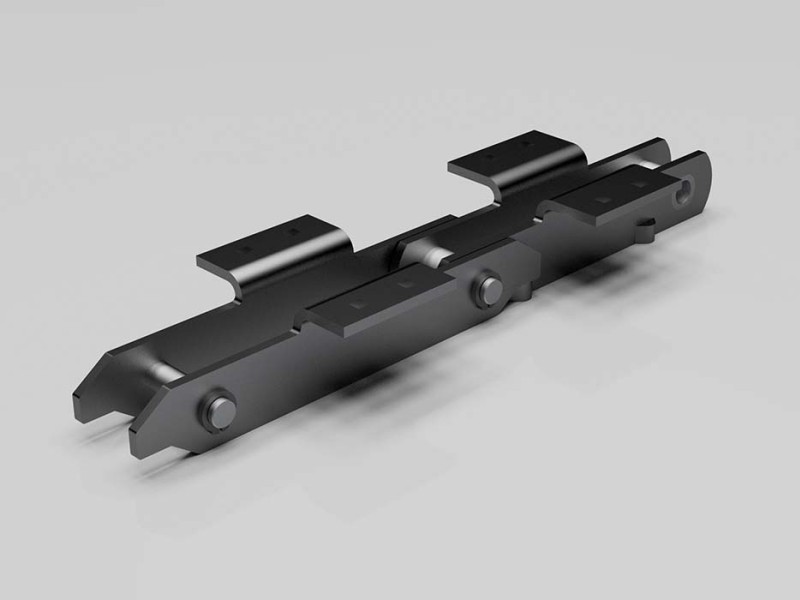
One of the most common issues in conveyor chain systems is improper chain tension. Whether the chain is too tight or too loose, both conditions can cause significant problems, including increased wear, reduced efficiency, and potential system failure.
Common causes:
-
Too tight: This can cause excessive friction, leading to faster wear of the chain and other components.
-
Too loose: A loose chain can slip, leading to inefficient operation and possible damage to the sprockets.
How to fix:
-
Adjust chain tension: Ensure the chain is neither too tight nor too loose. Regularly check and adjust tension to ensure smooth operation.
-
Use tension measurement tools: Invest in tools such as a chain tension gauge to measure and maintain proper tension levels.
Worn or Broken Chain Links
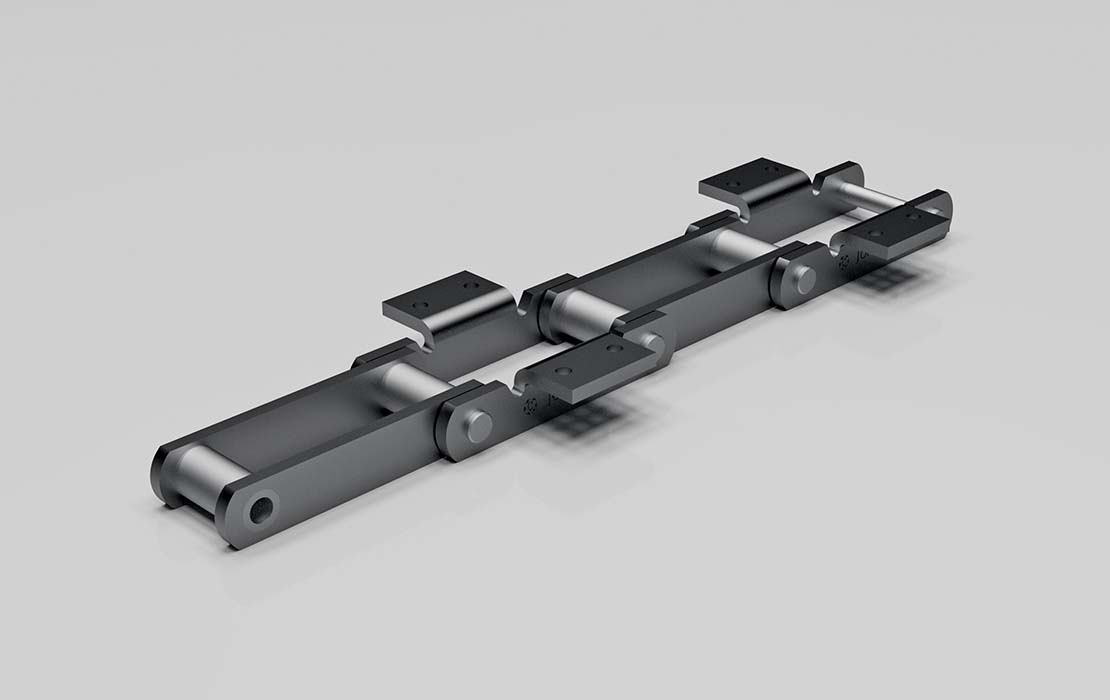
Chain links are the core components of a conveyor chain, and they are subject to heavy wear over time, especially under heavy load conditions or continuous use. Worn or broken links can lead to malfunctions or even complete system failure.
Common causes:
-
Constant friction: Continuous friction causes the chain links to wear down over time.
-
High load: Operating the conveyor system under excessive load can strain the chain and lead to link failure.
How to fix:
-
Inspect and replace damaged links: Regularly check for any worn, cracked, or broken links. Replace damaged links promptly to prevent further damage to the system.
-
Monitor load conditions: Ensure the system is not overloaded to reduce strain on the chain links.
Rollers Not Moving Smoothly
Rollers are essential for smooth conveyor chain operation. If the rollers become stuck or fail to move freely, it can cause increased friction, premature wear, and potential breakdowns.
Common causes:
-
Dirt buildup: Dust, dirt, and debris can accumulate around the rollers, causing them to jam or slow down.
-
Lack of lubrication: Insufficient lubrication can lead to friction that hampers roller movement.
How to fix:
-
Clean and lubricate rollers: Regularly clean the rollers and apply appropriate lubrication to keep them moving smoothly.
-
Replace damaged rollers: If the rollers are too worn or damaged, replace them to maintain smooth chain operation.
Inadequate Lubrication
Lubrication is a key factor in ensuring smooth operation and extending the life of the conveyor chain. Inadequate or improper lubrication can lead to increased friction, accelerated wear, and reduced efficiency.
Common causes:
-
Not enough lubrication: Failing to apply enough lubricant can lead to dry friction between the moving parts.
-
Using the wrong lubricant: Using the wrong type of lubricant for the conditions can cause issues, especially in high-temperature or high-load environments.
How to fix:
-
Apply the right amount of lubrication: Make sure to lubricate the chain at regular intervals, ensuring all moving parts are properly coated.
-
Use the correct lubricant: Choose lubricants that are suitable for the specific working conditions, such as high-temperature or moisture-resistant lubricants.
Contamination Dirt or Debris
Dirt, dust, and other contaminants can accumulate on the conveyor chain, leading to increased wear, blocked rollers, and reduced chain efficiency. This is particularly common in dusty or harsh environments.
Common causes:
-
Dirty environments: If the conveyor operates in an environment with high levels of dust or dirt, these particles can get the chain and cause damage.
-
Improper cleaning: Failing to clean the chain regularly can lead to contamination buildup.
How to fix:
-
Clean the chain regularly: Use cleaning agents to remove dirt and debris the chain and rollers to maintain smooth operation.
-
Seal off the chain: Consider using protective covers or shields to reduce the amount of dirt and debris that can accumulate on the chain.
Misaligned Sprockets
Misalignment of the sprockets can cause uneven wear on the chain and lead to poor system performance. Misaligned sprockets may also cause the chain to jump off or break.
Common causes:
-
Improper installation: If the sprockets are not properly installed, they can become misaligned, causing the chain to function incorrectly.
-
Wear over time: Sprockets wear out over time, especially if they’re not properly maintained or aligned.
How to fix:
-
Check sprocket alignment regularly: Inspect the sprockets and ensure they are properly aligned with the chain.
-
Replace worn sprockets: If the sprockets are worn or damaged, replace them to ensure the chain runs smoothly.
Conclusion
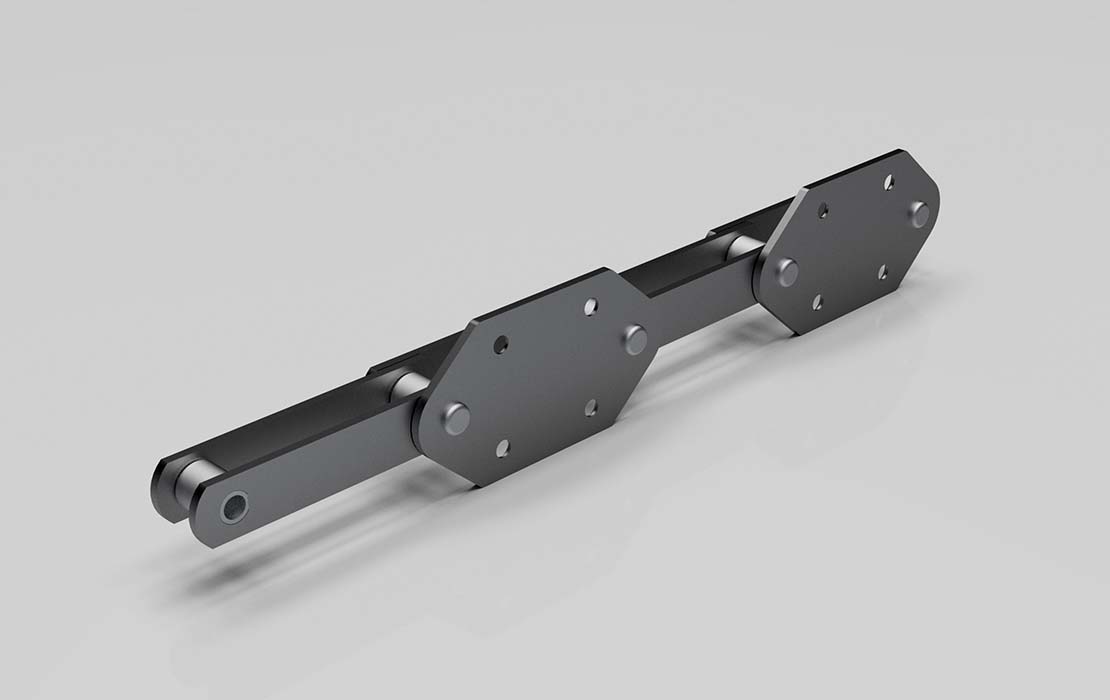
Conveyor chains are a vital component of many industrial systems, and like any machinery, they can develop issues over time. By identifying common problems such as excessive tension, worn chain links, inadequate lubrication, and misaligned sprockets, you can take steps to address these issues and keep the system running efficiently. Regular inspections, proper lubrication, and prompt replacement of damaged parts are key to preventing costly repairs and ensuring your conveyor chain performs optimally.
AAdministratorsQTV
Welcome. Feel free to leave a comment, we will respond soon