
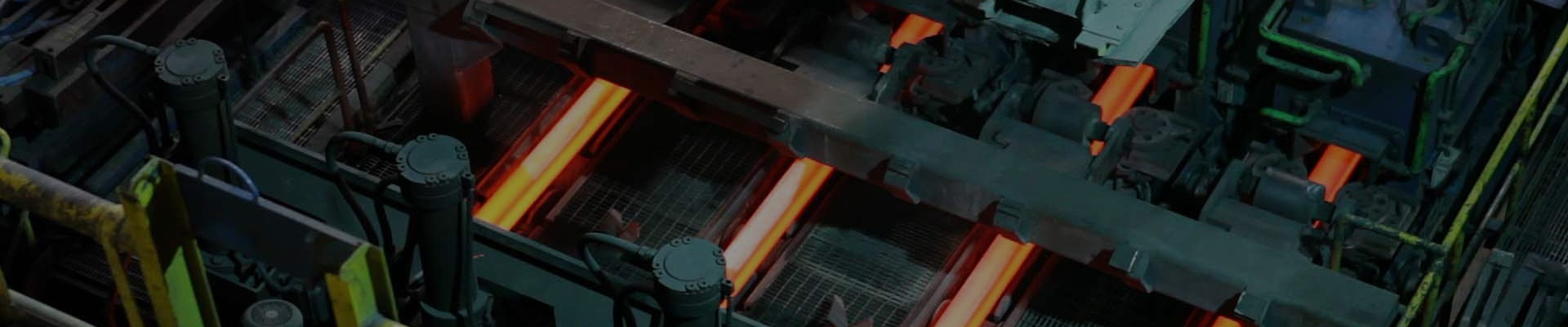

Conveyor Chains for Construction Material Transport Systems
Article content
Why Are Conveyor Chains the Ideal Choice for the Construction Industry?
1. High Load Capacity
Industrial conveyor chains can handle heavy loads, which is crucial when transporting construction materials that are heavy and large in size, such as stone, gravel, and sand. Conveyor systems can withstand heavy loads without deformation or breakage.
2. Wear Resistance and Chemical Resistance
In environments with dust, corrosive chemicals, or high moisture, industrial conveyor chains offer excellent wear resistance and corrosion resistance. This ensures they maintain long-term performance, reducing maintenance and replacement costs.
3. Stable Operation in Harsh Environments
Conveyor chains can function effectively in high temperatures, high humidity, and dusty conditions, ensuring continuous material transport without interruptions in the production line.
Applications of Conveyor Chains in the Construction Materials Industry
1. Transporting Raw Materials
In construction material plants, conveyor chains are commonly used to transport raw materials such as sand, gravel, and stone the extraction site to production lines or crushing machines.
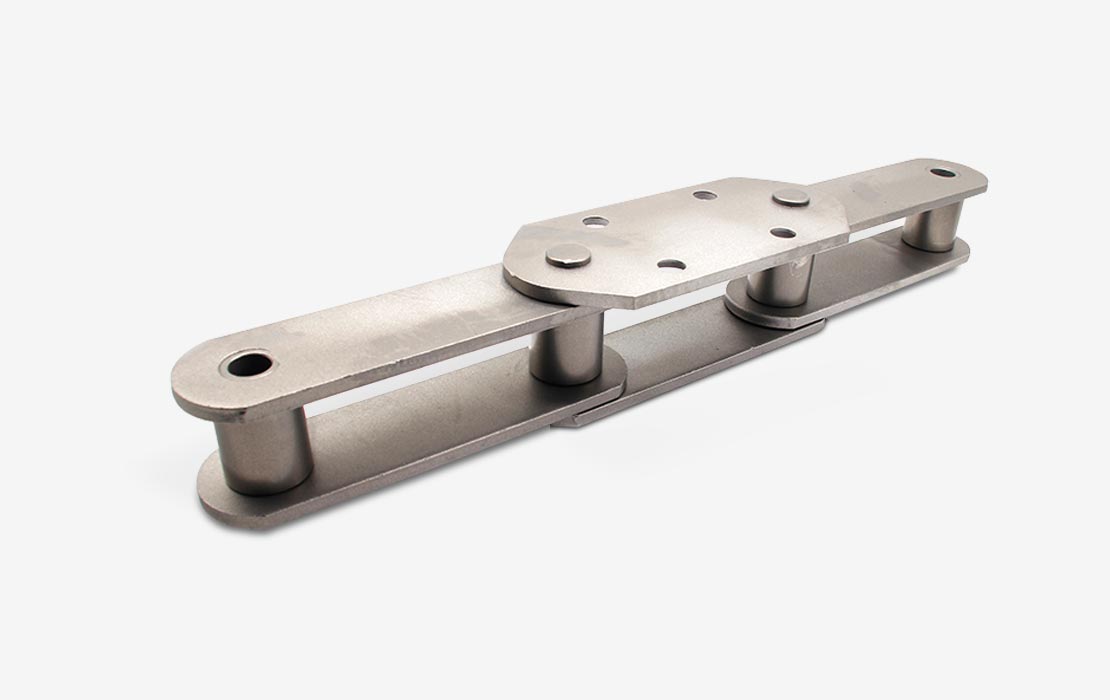
- Roller chains and wear-resistant chains are popular choices for transporting these hard and heavy materials.
2. Transporting Cement and Clinker
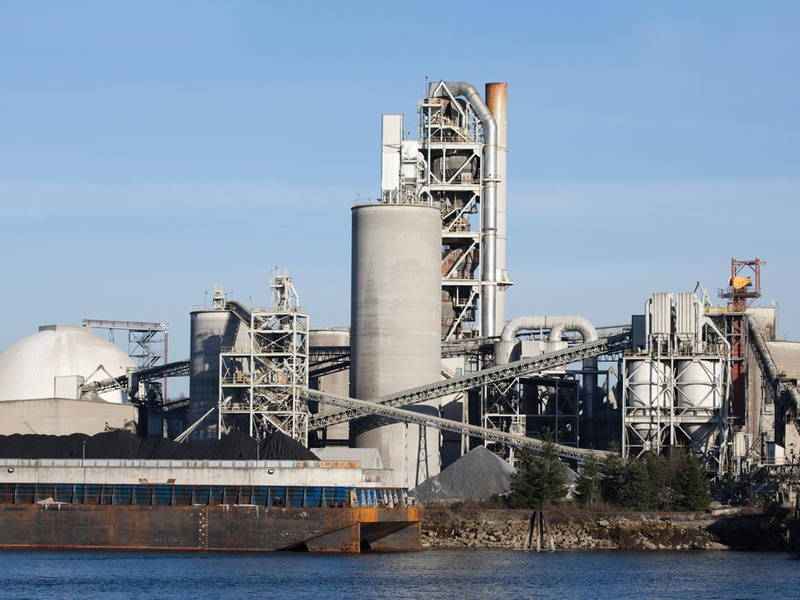
In cement production, industrial conveyor chains are also essential in transporting clinker the kiln to grinding machines or packaging lines, ensuring the product reaches its next stage without loss or damage.
- Heat-resistant conveyor chains are typically used in this stage to withstand the high temperatures in the kiln.
3. Transporting Finished Materials
After production, conveyor chains continue to transport finished construction materials such as bricks, concrete slabs, or ready-mix concrete production areas to storage or dispatch locations.
Benefits of Using Conveyor Chains in Construction Material Transport
1. Reducing Maintenance and Replacement Costs
With their high wear resistance, conveyor chains help reduce the need for frequent part replacements and maintenance, thus saving costs in the long run.
2. Enhancing Operational Efficiency
Conveyor chains optimize transport processes, ensuring that materials are moved quickly and efficiently one stage to the next without interruption, boosting productivity.
3. Improving Safety for Workers
By automating the material transport process, conveyor chains reduce the risk of workplace accidents, especially when moving heavy or fragile materials.
Conclusion
Industrial conveyor chains are the ideal solution for transporting construction materials, enhancing efficiency, reducing maintenance costs, and ensuring continuous production. Using conveyor chains not only minimizes risks but also optimizes operational processes in construction material production lines.
If your business is looking for industrial conveyor chain solutions for construction material transport, contact us today for expert consultation and customized design solutions.
AAdministratorsQTV
Welcome. Feel free to leave a comment, we will respond soon