

Detailed Comparison of the Durability and Lifespan of Carbon Steel and Stainless Steel Conveyor Chains
Article content
Durability of Carbon Steel Conveyor Chains
1. High Load-Bearing Capacity
-
Carbon steel conveyor chains are well-known for their high load-bearing capacity, making them an excellent choice for industries that need to transport heavy materials like stone, ore, and cement. The durability of these chains in high-stress environments ensures minimal operational interruptions.
-
These chains are designed to withstand substantial tensile forces, allowing them to carry heavy and bulky items over long distances without failure.
2. Resistance to Impact
-
Carbon steel chains are also highly resistant to impact, an important feature when the conveyor system needs to handle rough materials that may cause sudden jolts or shocks. Their toughness helps them withstand bumpy environments, such as quarry sites and mining operations, where materials like rocks and gravel are moved.
3. Wear and Tear in Dry Conditions
-
Carbon steel conveyor chains are ideal for dry environments and industries that don’t deal with chemicals, moisture, or corrosive substances. They offer excellent wear resistance when used in dry settings but are prone to rust and wear when exposed to moisture and other harsh conditions over time.
.png.jpg)
Durability of Stainless Steel Conveyor Chains
1. Superior Corrosion Resistance
-
One of the standout features of stainless steel chains is their superior corrosion resistance. In wet or chemically aggressive environments, such as food processing, pharmaceutical manufacturing, or chemical plants, stainless steel conveyor chains thrive where carbon steel chains would rust and degrade.
-
Stainless steel’s ability to resist corrosion ensures that the chain maintains its structural integrity even when exposed to moisture, chemicals, and other corrosive elements.
2. High Temperature Resistance
-
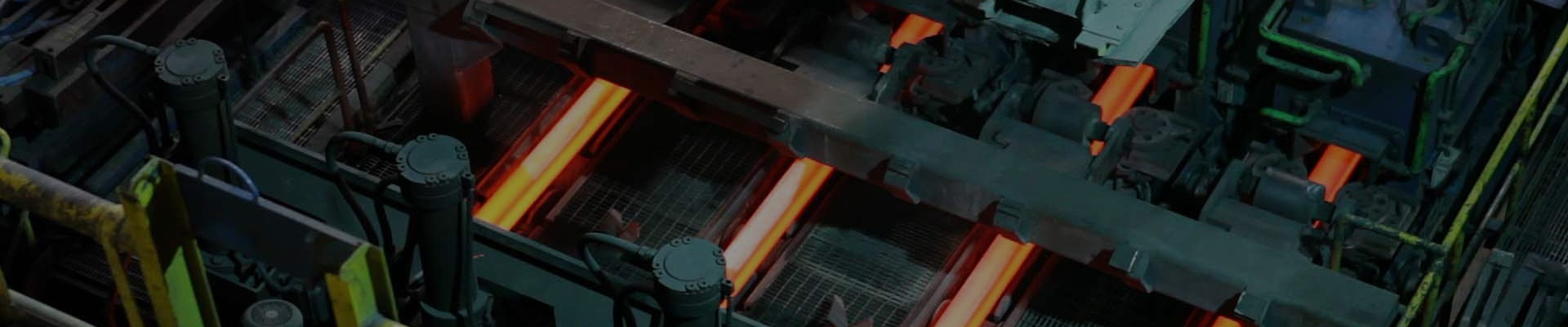
Stainless steel chains also excel in high-temperature environments. Whether it's in steel production, cement plants, or baking processes, stainless steel remains strong and unaffected by extreme heat, while carbon steel might warp, weaken, or lose its strength over time when exposed to high temperatures.
3. Longevity in Harsh Environments
-
Due to their resistance to corrosion and wear, stainless steel chains have a longer service life compared to carbon steel chains, especially in environments that involve exposure to moisture, chemicals, or extreme temperatures. This makes stainless steel the go-to option for industries that require reliable long-term performance.
Durability and Lifespan Comparison Between Carbon Steel and Stainless Steel Conveyor Chains
| Criteria | Carbon Steel Conveyor Chains | Stainless Steel Conveyor Chains |
|---|---|---|
| Corrosion Resistance | Prone to corrosion, especially in moist or chemical-laden environments. | Excellent corrosion resistance, ideal for wet and chemically harsh environments. |
| Load-Bearing Capacity | High load-bearing capacity, ideal for heavy-duty applications. | Lower load-bearing capacity compared to carbon steel but still suitable for most industrial applications. |
| Impact Resistance | Good resistance to impact and shocks, making it suitable for heavy materials. | Can withstand moderate impact but not as effective as carbon steel in heavy-duty shock environments. |
| Wear Resistance | Performs well in dry, non-corrosive environments, but wears faster in wet conditions. | Superior wear resistance in harsh environments, lasting longer than carbon steel in chemical and moisture-exposed conditions. |
| Lifespan | Longer lifespan in dry environments but shorter in harsh, wet, or chemical-laden environments. | Long service life even in extreme conditions, including high heat, moisture, and chemical exposure. |
| Temperature Resistance | Can handle moderate heat but may deform or degrade at high temperatures. | High resistance to heat, making it ideal for high-temperature applications. |
| Maintenance and Repairs | Easier to maintain and repair, with lower costs for replacement parts. | Requires less maintenance, but replacement parts can be more expensive. |
.jpg)
Conclusion
Both carbon steel conveyor chains and stainless steel conveyor chains offer unique advantages depending on the environment and application. Carbon steel chains are ideal for dry environments with heavy loads, offering great load-bearing capacity and affordability. However, stainless steel chains offer superior durability, longer lifespan, and resistance to corrosion and high temperatures, making them the best choice for harsh environments, food processing, and pharmaceutical industries.
When choosing between carbon steel and stainless steel, it’s important to assess your operational needs, environmental factors, and budget.
If you need help determining the best conveyor chain solution for your business, don’t hesitate to contact us for professional advice and competitive pricing!
AAdministratorsQTV
Welcome. Feel free to leave a comment, we will respond soon