

Heat-Resistant Conveyor Chains: An Effective Transport Solution for the Cement Industry
In the cement industry, transporting raw materials mining sites to production processes is a crucial part of ensuring continuous and efficient operation. Industrial conveyor chains are essential for transporting materials like limestone, clinker, gypsum, and finished cement products.
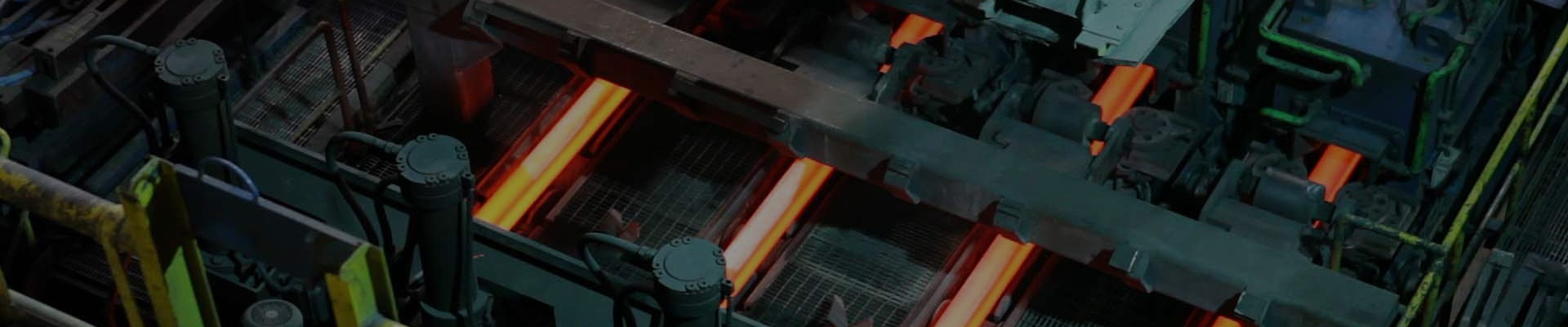
However, in cement production, especially when transporting clinker the kiln to cooling and grinding areas, the transportation system needs to withstand high temperatures without compromising performance.
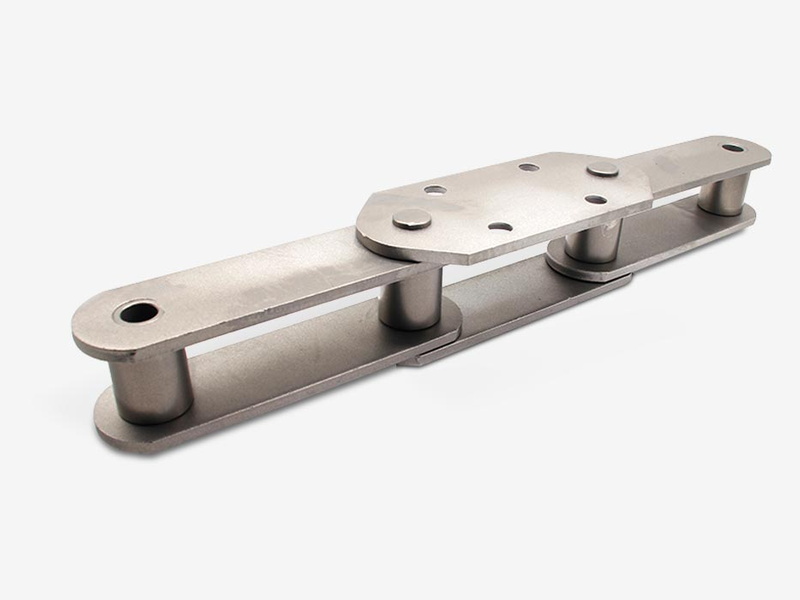
Heat-resistant conveyor chains are the ideal solution for transporting clinker and other high-temperature materials in cement plants. This article will explore the benefits of heat-resistant conveyor chains and why they are the optimal choice for the cement industry.
Article content
Benefits of Heat-Resistant Conveyor Chains in the Cement Industry
1. High Heat Resistance
- During cement production, materials like clinker are transported through the kiln at very high temperatures, often exceeding 1400 - 1500°C. Heat-resistant conveyor chains are designed to withstand high temperatures, ensuring stable performance without deformation or failure under these conditions.
- Heat-resistant conveyor chains made special alloy steels or stainless steel 316 offer superior heat resistance, making them the ideal choice for handling materials at elevated temperatures.
2. Increased Longevity and Reduced Maintenance Costs
- Heat-resistant conveyor chains significantly extend the lifespan of the transport system by maintaining their performance under high temperatures without warping or wearing out quickly.
- These chains help reduce maintenance and replacement costs, as they can handle extreme heat conditions for long periods without needing frequent repairs.
3. Ensuring Continuous Transport
- In the cement industry, maintaining continuous operation is essential, especially when transporting clinker the kiln. Heat-resistant conveyor chains ensure that the material is transported consistently without disruptions due to chain failure.
- By providing stable operation even in high-temperature environments, heat-resistant chains help maintain production continuity and prevent downtime.
4. Wear and Corrosion Resistance
- Besides high heat, cement production environments often involve exposure to abrasive dust and corrosive chemicals. Heat-resistant conveyor chains are designed to withstand both wear and corrosion, ensuring durability even in harsh working conditions.
- Heat-resistant and corrosion-resistant chains prevent damage caused by cement dust and chemicals, improving overall efficiency and extending the life of the equipment.
.jpg)
Types of Heat-Resistant Conveyor Chains Used in the Cement Industry
1. Alloy Steel Conveyor Chains
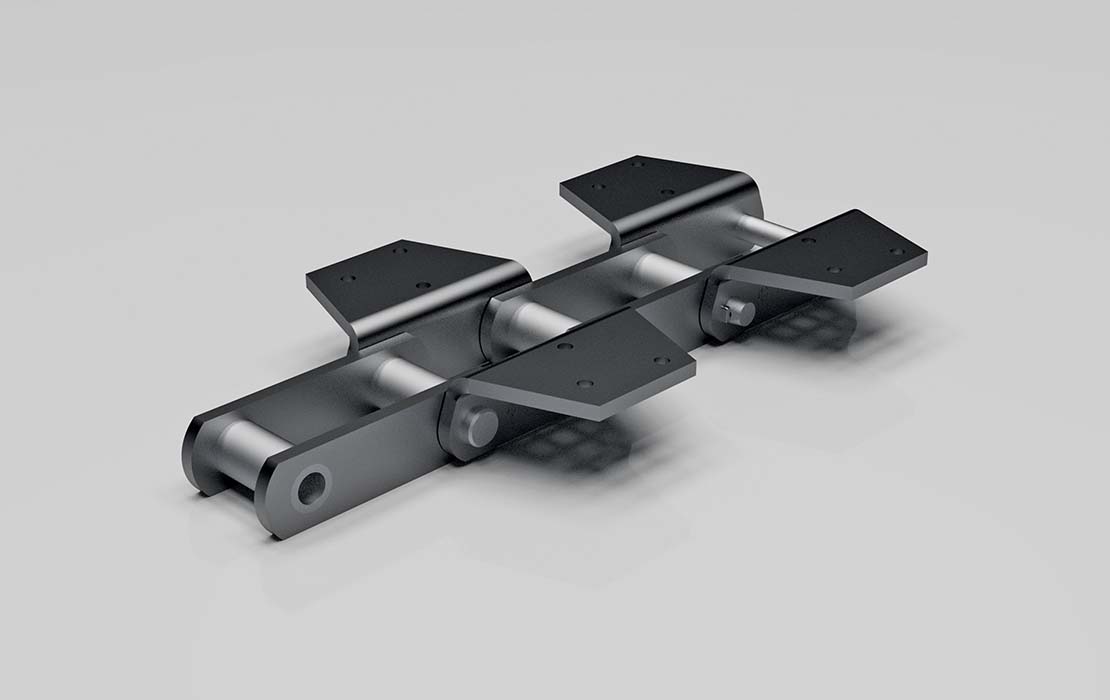
- Alloy steel conveyor chains are a common choice for cement plants due to their heat resistance and ability to handle high loads. These chains are typically used for transporting clinker the kiln to cooling or grinding areas.
2. Stainless Steel Conveyor Chains
- Stainless steel 316 conveyor chains are ideal for environments with high heat and humidity. They offer excellent corrosion resistance and heat resistance, making them perfect for transporting clinker and other heat-sensitive materials.
3. High-Temperature Resistant Chains
- High-temperature resistant chains are specifically designed to withstand temperatures up to 500°C or more, making them suitable for transporting clinker and other hot materials. These chains ensure that the transport system performs effectively even in the most extreme conditions.
Applications of Heat-Resistant Conveyor Chains in the Cement Industry
1. Transporting Clinker
- Clinker is one of the most important products in cement production, and it needs to be transported the kiln to cooling or grinding areas. Heat-resistant conveyor chains ensure efficient transportation of hot clinker without risk of failure due to high temperatures.
2. Transporting Raw Materials at High Temperatures
- Limestone, gypsum, and other raw materials also need to be transported in high-temperature conditions. Heat-resistant conveyor chains ensure that the transport process remains stable and effective despite the heat.
3. Transporting Finished Cement Products
- After grinding, cement is transported to packaging and storage areas. Heat-resistant conveyor chains help move the finished product production to storage without compromising the product quality.
Conclusion
Heat-resistant conveyor chains are the ideal solution for cement production systems, helping ensure continuous operation, extended lifespan, and reduced maintenance costs. By selecting the right heat-resistant chains, cement plants can improve performance, reduce downtime, and extend the life of their transport systems, even under extreme temperature conditions.
If you are looking for heat-resistant conveyor chain solutions for your cement transport system, contact us today for expert advice and customized solutions.
AAdministratorsQTV
Welcome. Feel free to leave a comment, we will respond soon