

Important Considerations for Maintaining Conveyor Chains in Harsh Environments

Article content
Choose the Right Conveyor Chain for the Environment
The environment in which the conveyor system operates plays a crucial role in determining the type of chain to use. Different environments require specific types of chains to prevent premature wear, corrosion, and failure.
Important considerations:
-
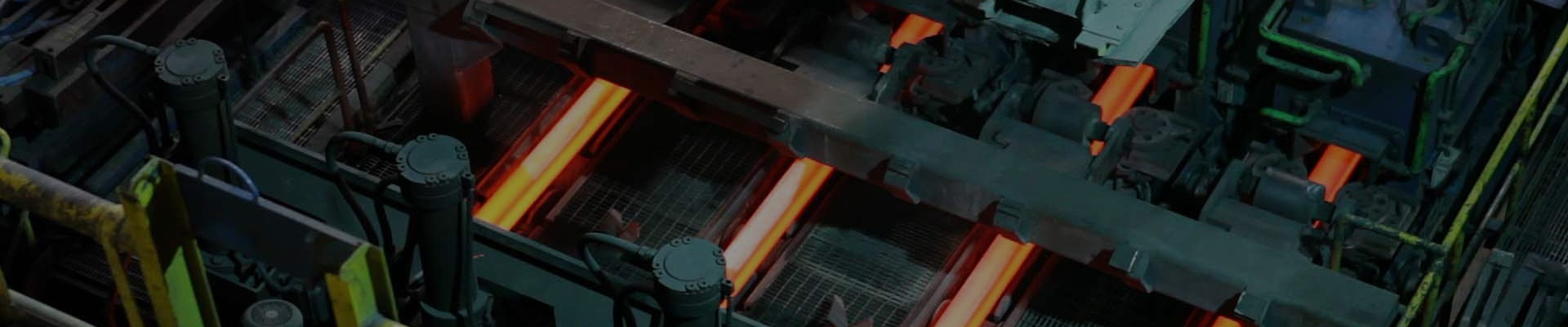
High-temperature environments: Conveyor chains exposed to extreme temperatures should be made of materials that can withstand heat without losing strength or flexibility. Heat-resistant chains are recommended for these conditions.
-
Corrosive environments: In environments with exposure to chemicals, salt, or other corrosive substances, chains made stainless steel or coated with corrosion-resistant materials are ideal.
-
High-moisture environments: For areas with high humidity or exposure to water, consider using chains with special coatings or those designed to resist rust and corrosion.
Regular Inspections for Wear and Tear
In harsh environments, conveyor chains are subject to higher levels of wear due to extreme conditions. Regular inspections are vital to ensure that potential issues are detected early and corrected before they lead to breakdowns.
How to conduct effective inspections:
-
Look for signs of corrosion: In humid or corrosive environments, check for rust or corrosion on the chain links, rollers, and sprockets.
-
Inspect for excessive wear: Examine the chain links for any signs of damage, including bending, cracking, or elongation, which may occur due to high load and constant exposure to harsh conditions.
-
Check the chain's movement: Ensure that the chain moves smoothly without any jerks, as irregular movements can indicate internal damage or misalignment.
.jpg)
Proper Lubrication and Cleaning
Lubrication is a key factor in maintaining the smooth operation of conveyor chains. In harsh environments, dust, chemicals, and high temperatures can accelerate wear, making regular lubrication even more crucial.
Lubrication tips for harsh conditions:
-
Use specialized lubricants: Choose lubricants that are formulated for high temperatures, moisture resistance, or chemical exposure, depending on the specific needs of your environment.
-
Clean the chain regularly: In environments with high dust or chemical exposure, it's important to clean the chain frequently to remove debris that can cause friction and wear. Use non-corrosive cleaning agents to prevent damage.
-
Apply lubricant appropriately: Ensure that the lubricant is applied evenly and in the right amount to avoid excess buildup, which could attract dirt and cause more harm than good.
Monitor and Control Environmental Factors
Environmental conditions—such as temperature, humidity, dust, and chemical exposure—can have a significant impact on the performance of conveyor chains. Being proactive in controlling these factors will help prolong the life of the chain and prevent breakdowns.
Key environmental considerations:
-
Temperature management: Ensure that the operating temperature of the conveyor system stays within the recommended range. Excessive heat or cold can cause materials to expand or contract, potentially damaging the chain.
-
Dust and debris control: In dusty environments, using dust covers or enclosures for the chain system can reduce the accumulation of particles that contribute to wear.
-
Chemical exposure: In environments with exposure to chemicals, use seals, covers, or corrosion-resistant materials to prevent chemicals coming direct contact with the chain.
Replace Worn Parts Promptly
Harsh environments can cause conveyor chains to wear out more quickly, especially if they are not maintained properly. It is essential to replace worn or damaged parts immediately to prevent further damage to the system.
How to manage part replacements:
-
Regularly check for wear: Inspect the chain, sprockets, and rollers for signs of wear. When any component is nearing the end of its service life, replace it immediately to prevent damage to other parts of the system.
-
Keep spare parts on hand: In challenging environments, having a stock of spare parts—such as chain links, rollers, and sprockets—will allow for quick replacements and minimize downtime.
Ensure Worker Safety During Maintenance
In harsh environments, maintenance can pose safety risks to workers due to the presence of chemicals, extreme temperatures, or moving machinery. Ensuring the safety of maintenance personnel is just as important as maintaining the equipment.
Safety tips:
-
Provide proper protective gear: Ensure that workers have access to gloves, goggles, protective clothing, and respiratory protection, especially when working with chemicals or in high-temperature environments.
-
Follow safety protocols: Ensure that all maintenance procedures are done according to the proper safety protocols, and that workers are trained in the risks associated with harsh environments.
Conclusion
Maintaining conveyor chains in harsh environments requires special care and attention. By choosing the right type of chain, regularly inspecting for wear and damage, using the proper lubricants, and monitoring environmental conditions, you can maximize the performance and lifespan of your conveyor chains. Regular maintenance, timely part replacements, and safety precautions will help ensure that your system continues to operate smoothly, even in the most challenging conditions.
AAdministratorsQTV
Welcome. Feel free to leave a comment, we will respond soon