

Key Factors That Make Conveyor Chains the No.1 Choice in Heavy Industries
Article content
Why Conveyor Chains Are Indispensable in Heavy Industries
Heavy industrial operations typically involve the movement of large volumes of bulk materials, often in abrasive, high-temperature, and corrosive environments. Conveyor chains are engineered to withstand these extreme conditions, providing consistent performance, long service life, and low maintenance costs.
Main reasons why heavy industries rely on conveyor chains:
- Exceptional load-bearing capacity
- Durability in harsh environments
- Minimal maintenance and downtime
- Precision and stability in material handling
Key Factors That Make Conveyor Chains Ideal for Heavy Industry
1. High Load Capacity
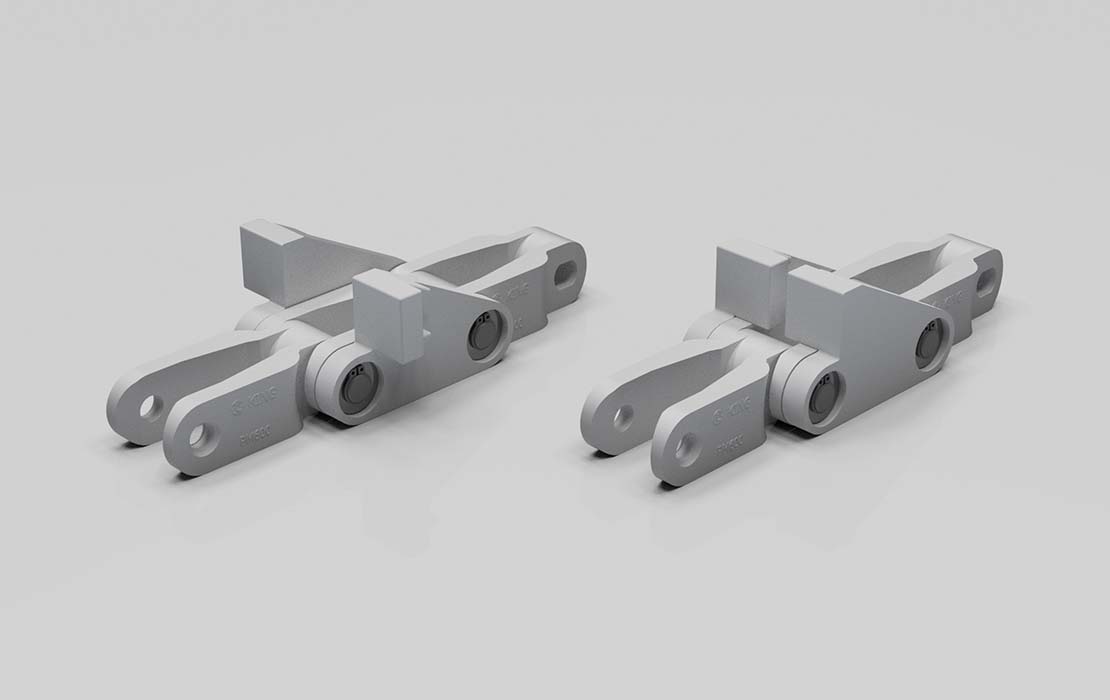
- Conveyor chains are designed to handle extremely heavy loads, including clinker, ore, steel billets, and aggregates.
- They can transport materials weighing several tons without compromising performance or causing structural deformation.
2. Superior Durability and Wear Resistance
- Made high-strength alloy steel or stainless steel 316, conveyor chains offer excellent resistance to wear, abrasion, and corrosion.
- Their construction ensures long-term reliability even in dusty, wet, and chemically aggressive environments.
3. Operation in Harsh Conditions
- Conveyor chains perform reliably in high-temperature environments (up to 400°C or more), making them suitable for kilns, furnaces, and clinker cooling systems.
- They also operate effectively in outdoor and marine environments, resisting rust and corrosion.
4. Minimal Maintenance and Easy Repairs
- Conveyor chains allow individual link replacement, minimizing maintenance time and reducing costs.
- Simple and accessible maintenance procedures help limit downtime and keep production lines running efficiently.
5. Precision and Stability in Heavy-Duty Operations
- Conveyor chains offer stable movement, ensuring precise control over heavy and bulky materials.
- Their design prevents slippage or misalignment, which is crucial in automated and synchronized production systems.
Industries That Rely on Conveyor Chains
1. Cement Industry
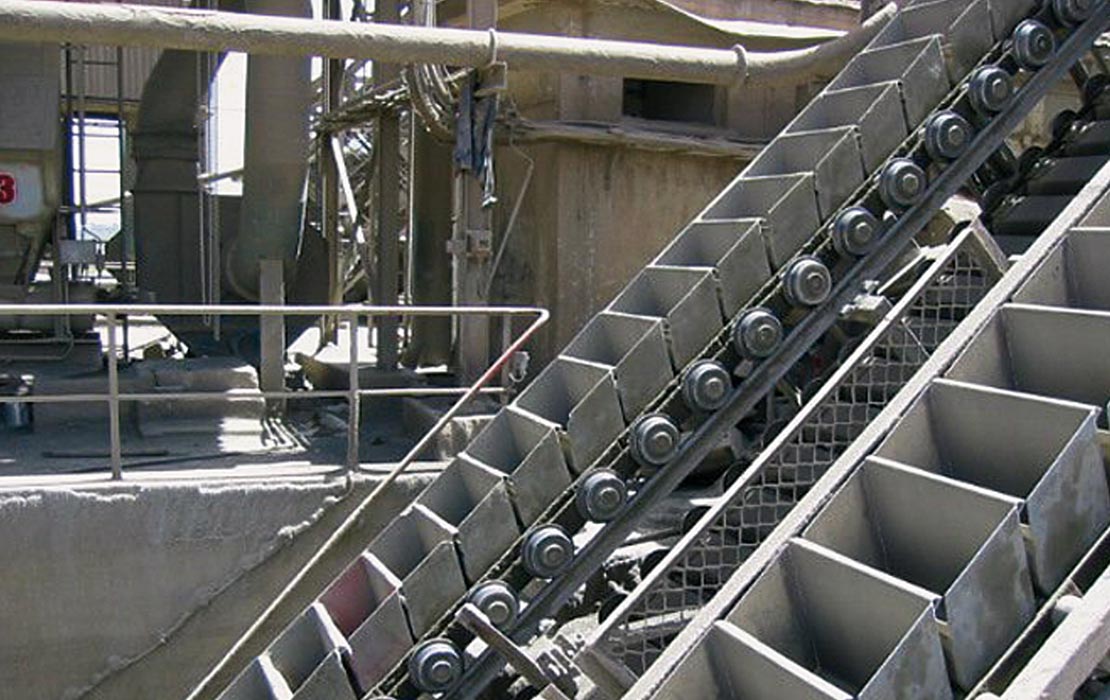
- Transporting raw materials like limestone and clay, as well as finished cement and clinker.
- Handling abrasive materials at high temperatures.
2. Mining Industry
- Moving ore, coal, stone, and gravel in underground and surface mines.
- Working in dusty, wet, and abrasive conditions.
3. Steel and Metallurgy
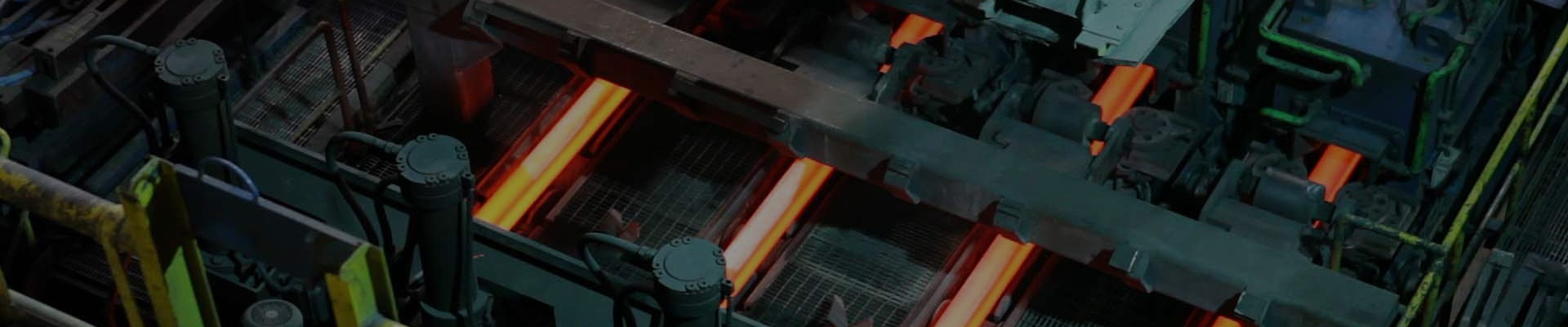
- Transporting hot steel billets, coils, and scrap materials.
- Withstanding extreme heat and heavy impacts.
4. Power Plants
- Moving coal, ash, and limestone in thermal power plants.
- Supporting continuous operation under high loads and corrosive conditions.
Benefits of Conveyor Chains in Heavy Industries
| Benefit | Impact |
|---|---|
| High load capacity | Ensures reliable transport of bulk materials |
| Exceptional durability | Reduces equipment replacement frequency and costs |
| Operation in harsh environments | Maintains efficiency in extreme heat, dust, and moisture |
| Easy maintenance and repair | Minimizes downtime and keeps production running |
| Precision and stability | Improves productivity and reduces material loss |
How to Conveyor Chains for Heavy-Duty Applications
1. Material Selection
- Choose alloy steel or stainless steel based on the environment (e.g., high temperature, corrosive conditions).
2. Load and Speed Requirements
- chains designed to handle high loads and continuous operation speeds without fatigue.
3. Environmental Factors
- Ensure resistance to abrasion, corrosion, heat, and chemical exposure.
4. Maintenance and Service Life
- Opt for chains with easy-to-maintain designs and long service life to maximize ROI.
Conclusion
Conveyor chains are the backbone of material handling systems in heavy industries, offering strength, durability, and efficiency. Their ability to withstand extreme conditions, handle heavy loads, and reduce downtime makes them the number one choice for industrial operators seeking to optimize their production lines.
If your heavy industry operation requires robust conveyor chain solutions, contact our team today for expert consultation and customized solutions tailored to your needs.
AAdministratorsQTV
Welcome. Feel free to leave a comment, we will respond soon