

The Dangers of Delaying Replacement of Damaged Conveyor Chain Components
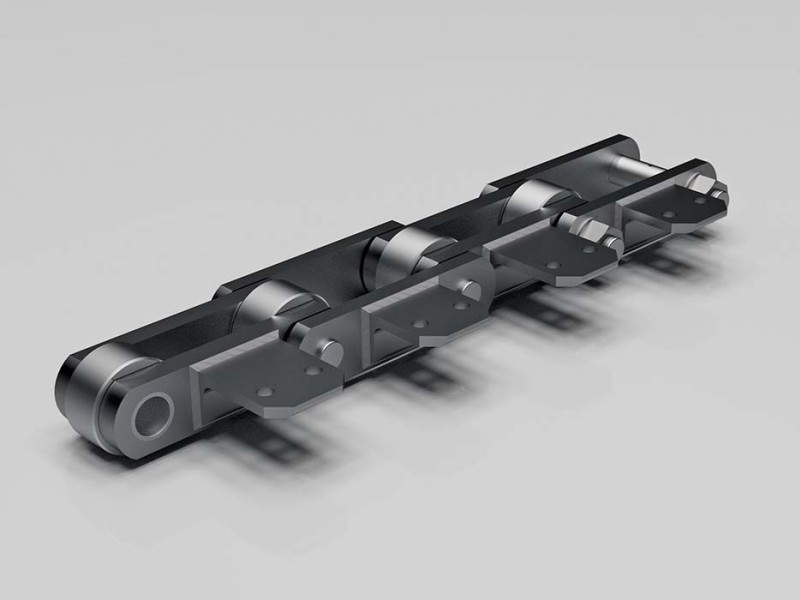
Article content
System Failures and Production Downtime
One of the most immediate consequences of failing to replace damaged chain components is unexpected system failure, which can halt production and lead to costly downtime.
Risks:
-
Production interruptions: A damaged component can cause the entire conveyor system to stop working, disrupting workflow and reducing productivity.
-
High repair costs: Severe failures may require expensive repairs and even replacement of the entire system.
Solution:
-
Prompt replacement: As soon as you detect a damaged chain component, replace it immediately to prevent breakdowns and maintain uninterrupted operations.
Increased Wear on Other Components
When a damaged component is in place, it puts additional strain on surrounding parts, accelerating their wear and leading to further damage.
Risks:
-
Accelerated wear of related parts: Other components, such as sprockets and rollers, will experience extra friction and stress, reducing their lifespan.
-
Higher maintenance costs: The domino effect of damage increases the frequency and cost of repairs.
Solution:
-
Comprehensive inspections: When replacing a damaged part, inspect the entire system and replace or service related components as needed to maintain balance and prevent further issues.
Overloading and System Stress
A damaged chain component can disrupt load distribution, causing the conveyor system to operate under excessive stress. This increases the likelihood of mechanical failure.
Risks:
-
System overload: Damaged components shift the load to other parts, which may exceed their capacity and lead to malfunctions.
-
Chain breakage: Prolonged stress can cause chain links or other components to snap, halting operations entirely.
Solution:
-
Regular load assessments: Monitor the system’s load distribution regularly and replace damaged components promptly to maintain safe operating conditions.
Higher Long-Term Maintenance Costs
Delaying the replacement of damaged components may seem like a way to save time or money initially, but it often leads to greater expenses over time.
Risks:
-
Escalating repair costs: What starts as a minor repair can evolve a major overhaul if unaddressed.
-
More frequent downtime: System unreliability results in repeated stoppages, increasing both direct and indirect costs.
Solution:
-
Preventive maintenance strategy: Implement a preventive maintenance plan that prioritizes early detection and replacement of damaged components to minimize long-term costs.
Reputation and Reliability Issues
A conveyor system that frequently breaks down due to neglected maintenance can harm your business's reputation, especially if it leads to delays in fulfilling customer orders.
Risks:
-
Missed deadlines: System failures may cause production delays, affecting customer satisfaction and business credibility.
-
Reduced reliability: An unreliable system undermines overall operational efficiency and trustworthiness.
Solution:
-
Maintain a reliable system: By replacing damaged components promptly and performing regular maintenance, you ensure your conveyor system supports smooth and reliable operations, safeguarding your company’s reputation.
Conclusion
Delaying the replacement of damaged conveyor chain components can lead to serious risks, including system failures, increased repair costs, and harm to your business reputation. Timely replacement and regular maintenance are essential to keep your conveyor system running efficiently and avoid costly downtime. By staying proactive, you’ll extend the life of your equipment and maintain operational excellence.
If you need further advice on inspecting and maintaining industrial conveyor chains, feel free to contact us for detailed support!
AAdministratorsQTV
Welcome. Feel free to leave a comment, we will respond soon