

The First Signs That Industrial Conveyor Chains Are Worn
Article content
Reduced Operational Efficiency
One of the first signs of conveyor chain wear is a noticeable decrease in operational efficiency. When the chain wears out excessively, the system will experience slower speeds, increased slippage, and reduced transport capacity.
Signs:
-
Slower movement of the chain: If the chain is moving slower than usual, it may be a sign of wear.
-
Slippage or skipping: Worn-out chains may not engage with sprockets or gears properly, leading to slippage or skipping of the chain.
Solution:
-
Inspect and replace when necessary: If the chain shows signs of erratic movement, inspect it thoroughly and replace the worn-out parts or the entire chain if needed.
Unusual Noise
When the conveyor chain wears down, it can produce unusual sounds during operation. Screeching or grinding noises can indicate that the chain is not moving smoothly or that excessive friction is present.
Signs:
-
Screeching or squeaking sounds: Worn-out chains may produce high-pitched noises, signaling friction between the moving parts.
-
Grinding noise: If the chain is grinding, it indicates that the links are not smoothly engaging with the sprockets, usually due to wear.
Solution:
-
Inspect related components: In addition to checking the chain, inspect sprockets, rollers, and other related parts to pinpoint the source of the noise.
Worn Chain Links
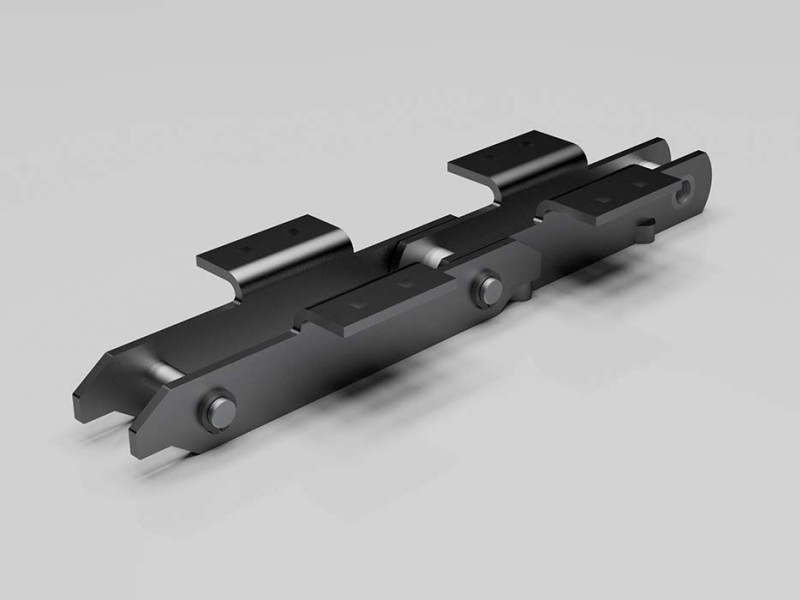
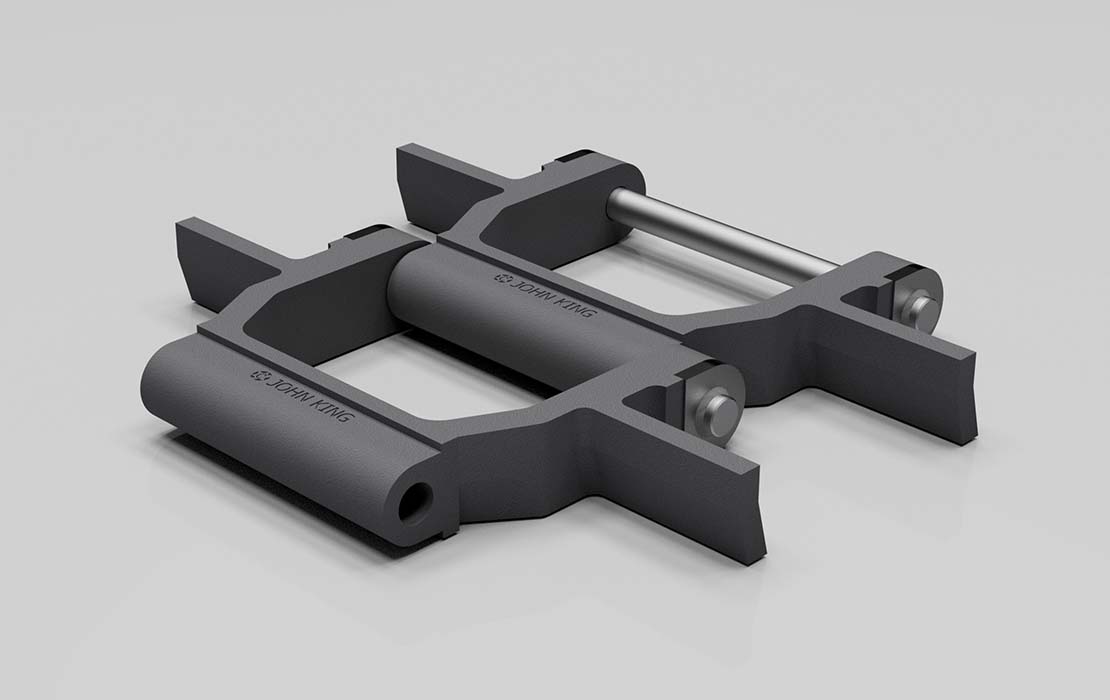
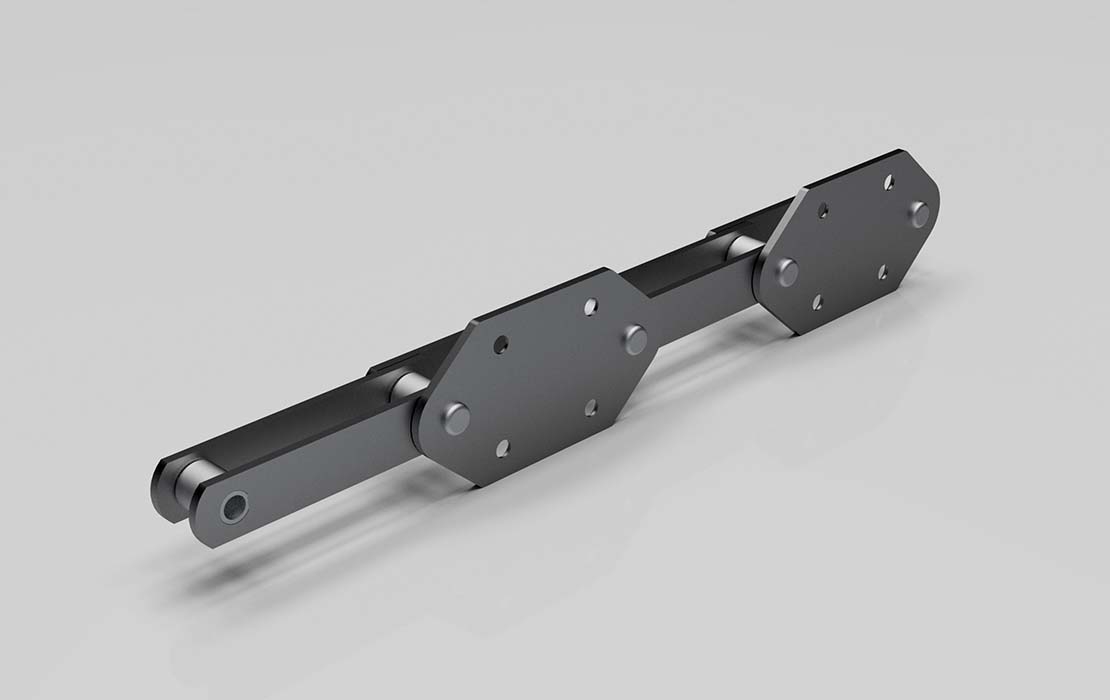
Chain links are the core components of the conveyor chain, and they endure constant friction and pressure during use. Over time, these links can become worn, which may compromise the chain’s ability to perform.
Signs:
-
Links appear thin or deformed: If the chain links appear thinner than usual or have changed shape, this is a clear sign of wear.
-
Visible cracks or fractures: If any cracks or fractures are visible in the chain links, it means the chain is no longer reliable.
Solution:
-
Replace worn links: Once you notice that chain links are worn or damaged, replace them immediately to prevent further issues.
Changes in Chain Tension
Wear on the conveyor chain can alter the tension of the chain, leading to either loose or overly tight chains. This can result in improper functioning of the system and may even cause the chain to break.
Signs:
-
Loose or overly tight chain: If the chain feels too loose or too tight, it may have experienced significant wear.
-
Change in chain length: Wear in the chain links can lead to a reduction in chain length, causing it to loosen.
Solution:
-
Check and adjust chain tension: Ensure that the chain is properly tensioned and adjust it accordingly to avoid operational issues.
Rust or Corrosion Signs
In wet or chemical-rich environments, conveyor chains are susceptible to rust and corrosion. These conditions can cause the chain to wear out faster, reducing its efficiency.
Signs:
-
Rust on the chain’s surface: If you notice brown or reddish deposits on the surface of the chain, this is a clear sign of rust.
-
Change in color of the chain: The chain may change color gray to brown or red due to corrosion.
Solution:
-
Clean and lubricate the chain: Use rust remover and lubricants to clean and protect the chain further corrosion. In harsh environments, consider using corrosion-resistant chains to minimize this issue.
Conclusion
Identifying the early signs of wear in your industrial conveyor chain is crucial for maintaining the efficiency and longevity of your system. Signs such as reduced operational efficiency, unusual noise, worn links, changes in chain tension, or visible rust should not be ignored. Regular maintenance and timely replacement of worn parts can keep your system running smoothly and help you avoid costly repairs.
If you need more advice on checking and maintaining industrial conveyor chains, feel free to contact us for detailed support!
AAdministratorsQTV
Welcome. Feel free to leave a comment, we will respond soon