


Plate Heat Exchanger (PHE) – Efficient Heat Transfer Solution
Nội dung bài viết
A plate heat exchanger (PHE) is a highly efficient device designed for heat transfer, commonly used in industries such as HVAC, chemical processing, and food production. Its compact design, high performance, and ease of maintenance make it a popular choice for a wide range of industrial applications.
Key Components of Plate Heat Exchangers
Plates
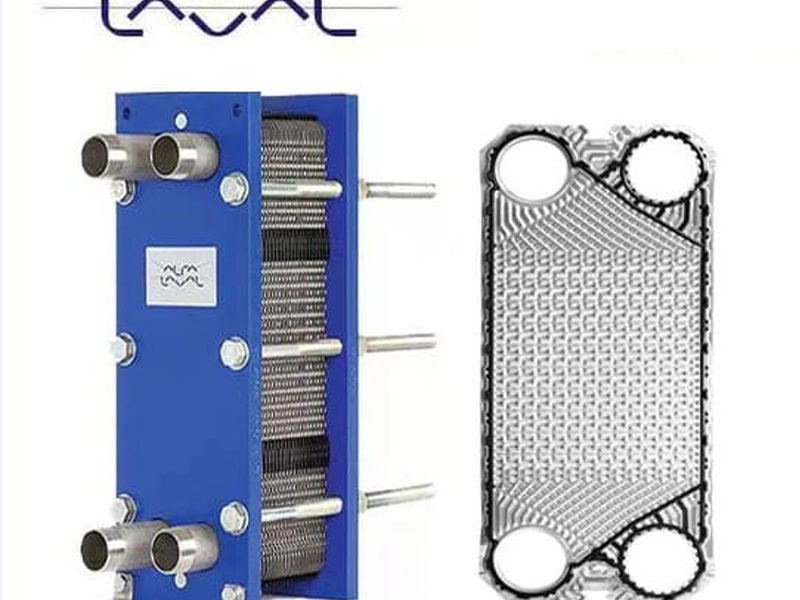
The core component of a PHE is the plates—thin, corrugated sheets made from materials like stainless steel, which maximize the surface area for efficient heat transfer. The corrugated design promotes turbulent flow, significantly increasing heat transfer rates and reducing fouling.
Gaskets
Gaskets are placed between the plates to seal and direct the flow of fluids through the separate channels. This ensures that the fluids remain isolated, preventing cross-contamination and optimizing heat exchange efficiency.
Inlets and Outlets
Strategically located inlets and outlets manage the flow of hot and cold fluids through the heat exchanger, ensuring an efficient heat transfer process. The counterflow design optimizes temperature differentials for better performance.
Carry Bar and Clamping Bolts
The carry bar supports the stacked plates, which are clamped together by bolts to form a "plate stack." This design allows for quick disassembly, simplifying maintenance, cleaning, and component replacement.
Movable and Fixed Covers
These covers secure the plate stack and provide structural integrity, ensuring that the system operates safely under varying pressures.
Working Principle of Plate Heat Exchangers
A plate heat exchanger works by transferring heat between two fluids that flow through adjacent channels within the stacked plates. As one fluid heats the metal plates, the heat is transferred to the adjacent fluid flowing through the opposite channel. The counterflow configuration, where the fluids move in opposite directions, maximizes the heat transfer efficiency by maintaining the highest temperature difference between them.
Advantages of Plate Heat Exchangers
- High Efficiency: The corrugated plates create a large surface area, enabling maximum heat transfer.
- Compact Design: Compared to shell-and-tube systems, PHEs are smaller and require less space.
- Easy Maintenance: The plate stack can be disassembled for easy cleaning or part replacement.
Disadvantages of Plate Heat Exchangers
- Higher Cost: The precision design and materials of PHEs often make them more expensive than alternatives like shell-and-tube exchangers.
- Pressure Limitations: Gasketed PHEs may not perform well under extreme pressure, although brazed or welded models can handle higher demands.
- Fouling Risks: In certain applications, the narrow channels can be prone to fouling, reducing heat transfer efficiency if not properly maintained.
Applications of Plate Heat Exchangers
HVAC Systems
Used to regulate indoor climates efficiently by transferring heat in heating and cooling systems.
Chemical Processing
PHEs are used to transfer heat in various chemical reactions, contributing to temperature regulation and safety.
Food and Beverage Production
Ensures efficient and safe thermal processing of food products, crucial for maintaining quality and safety standards.
Power Generation
PHEs are utilized in power plants for cooling and heat recovery, improving the efficiency of energy systems.
Conclusion
Plate heat exchangers are a highly efficient, compact, and easy-to-maintain heat transfer solution suitable for a variety of industries. While they may have higher upfront costs, their long-term benefits—including energy efficiency and minimal maintenance—make them a worthwhile investment for many industrial applications.
AAdministratorsQTV
Welcome. Feel free to leave a comment, we will respond soon