

How to Identify Broken Links in Industrial Conveyor Chains and How to Replace Them

Article content
Signs of Broken Links in Conveyor Chains
A broken link in a conveyor chain can lead to misalignment, system failure, or even a complete halt in production. It is crucial to identify the signs of broken links as early as possible to prevent more extensive damage.
Signs:
-
Inconsistent chain movement: If the chain is moving unevenly, it may be due to one or more broken links. This can cause the system to operate erratically.
-
Visible cracks or breaks: Inspect the chain for any visible cracks, gaps, or fully broken links. A broken link will cause the chain to lose its integrity and fail to engage with the sprockets properly.
-
Skipping or slipping: A broken link may cause the chain to slip off the sprockets, leading to skipped or missed movements.
Solution:
-
Perform a detailed inspection: Regularly inspect the chain for broken links. If you find any, replace them immediately to ensure smooth operation.
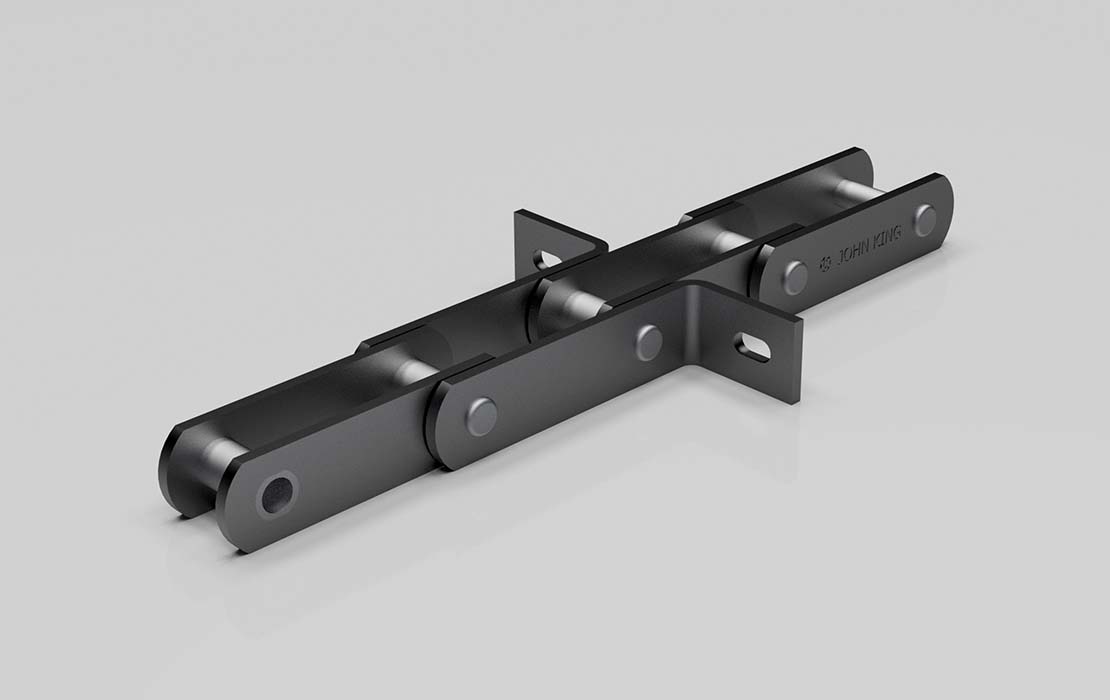
Causes of Broken Links in Conveyor Chains
There are several factors that can contribute to the failure of chain links. Understanding these causes can help you prevent future breakages and extend the life of your conveyor system.
Common causes:
-
Excessive load: Overloading the conveyor system beyond its designed capacity can place excessive stress on the chain links, causing them to break.
-
Improper maintenance: Lack of proper lubrication or failure to clean the chain can lead to rust, corrosion, and ultimately, broken links.
-
Wear and tear: Over time, the constant movement and friction of the chain can cause the links to weaken and eventually break.
-
Environmental factors: Harsh environmental conditions, such as exposure to chemicals, extreme temperatures, or moisture, can accelerate the deterioration of the chain links.
Solution:
-
Adhere to recommended load limits: Ensure that the conveyor system operates within its designed capacity to prevent overloading.
-
Regular maintenance: Perform routine maintenance, including cleaning and lubrication, to keep the chain in good condition.
-
Use protective coatings: In harsh environments, use corrosion-resistant coatings to protect the chain environmental factors.
How to Replace Broken Links in Conveyor Chains
Once you’ve identified a broken link, replacing it as soon as possible is essential to avoid further damage. The following steps outline the correct process for replacing a broken link in an industrial conveyor chain.
Steps to replace:
-
Stop the conveyor system: Ensure that the system is powered down before attempting any repairs. This ensures safety during the replacement process.
-
Remove the damaged chain: Use a tool to remove the damaged chain section, ensuring you carefully take out the broken link.
-
Install the new link: Place a new link the chain and make sure it is correctly aligned with the other links.
-
Reconnect the chain: Attach the new link securely, ensuring that it fits properly with the sprockets.
-
Test the chain: Once the new link is in place, run the conveyor system at a slow speed to test the new link and ensure smooth operation.
-
Adjust tension: After replacing the link, check the chain tension and adjust it as needed to ensure proper movement and engagement.
Solution:
-
Use quality replacement parts: When replacing a broken link, ensure that the new link matches the original chain specifications and quality to avoid premature failure.
Preventing Broken Links in Conveyor Chains
While broken links are inevitable over time, you can minimize their occurrence by implementing proper maintenance and operating practices.
Preventive measures:
-
Regularly inspect the chain: Perform periodic checks for broken links, wear, and damage, especially during routine maintenance.
-
Lubricate the chain: Proper lubrication reduces friction and wear on the chain links, helping them last longer.
-
Operate within capacity: Ensure that the conveyor system is not overloaded, as excessive weight can cause the chain to break.
-
Use corrosion-resistant materials: In harsh environments, use materials or coatings that protect the chain rust and corrosion, which can lead to broken links.
Conclusion
Identifying and replacing broken links in your industrial conveyor chain is crucial for maintaining system efficiency and preventing further damage. Regular inspections, proper maintenance, and using quality materials can help prevent broken links and extend the life of your conveyor chain. By taking these preventive measures, you can ensure smooth operation and avoid costly repairs.
If you need more advice on checking and maintaining industrial conveyor chains, feel free to contact us for detailed support!
AAdministratorsQTV
Welcome. Feel free to leave a comment, we will respond soon